Our BiCMat group works toward supporting global sustainable development through research on the fundamental and utilization aspects of renewable resources, including lignocellulose, proteins and other biopolymers. Our research aims to discover competitive alternatives for fossil materials.
Since starting at UBC in 2018 I have built a forest operations research program at UBC focusing on supply chain design, forest technology implementation, steep slope harvesting and biomass operations. Before coming to UBC I was working at FPInnovations where, as Senior Director, I managed a multidisciplinary team focused on improving the competitiveness of the forest sector and developing practical solutions to improve efficiency of forest operations and reduce the impact of wildfires in Western Canada. I have more than 21 years of experience in forest research and innovation and have been working with industry to develop solutions that support the emerging bioeconomy both in Europe and in Canada.
Research
Research in the Forest Action Lab focuses on framing innovation, research and development initiatives to support sustainable forest management in different operational environments. The multidisciplinary research in the Forest Action Hub applies a number of research methods including but not limited to productivity studies, practical field trials, modelling and estimating the effect of forest operations on the different layers of sustainability. This combination of different research methods and approaches is contributing to the successful adaptation and implementation of sustainable forest utilization in different operational environments. The unique background and varied skillset of Forest Action Hub members enable us to address the ever-growing diverse needs and demands of forestry stakeholders in BC, Canada and across the globe. The diverse nature of the Forest Action Lab is also reflected in the research portfolio which includes the following focus areas:
Sustainable use of forest biomass in the bioeconomy
Harvesting in difficult terrain
Application of innovative tools in forest planning and management
Productivity of forest operations
Carbon management along the forest supply chain
Impacts of reforestation on community sustainability
While I’ve worked for the Forestry and LFS Academic Writing program for the past 5 years, I was hired as a Lecturer in LFS and Forestry in 2021 as part of the Academic Writing and Argumentation and Communications team. Prior to 2021, and since 2005, I was a Sessional Lecturer with Continuing Status in the English Department, specializing in Vancouver literature, and thinking through place-based belonging and home. I’ve spent my career encouraging students to write effectively and think complexly. One of the key elements of UBC’s current strategic plan is “place and promise.” Thomas King claims that “the truth about stories is that that’s all we are.” Northrop Frye thinks that Canadian identity “is less perplexed by the question ‘Who am I?’ than by some such riddle as ‘Where is here?’”, suggesting that if you know where you belong, you know who you are. These three ideas are important because they laterally suggest, when mapped onto the art of teaching, that stories and environment (the place of the classroom) are equally important to effective teaching. Political geographer John Agnew (Cresswell 2004) outlines the three fundamental aspects of place as a ‘meaningful location’, aspects which he calls location, locale, and sense of place. Location: a classroom in MacMillan or the FSC. Locale (“the material setting for social relations”): a classroom with chairs, desks, document cameras, white boards. Sense of place: a teacher’s job is to create that comfortable sense of place for students, to create students’ “emotional attachment” to the classroom. And even when international, Canadian, and Indigenous students all find UBC as “place” to mean different things, I want to make my classroom a place for all students. That’s ultimately my teaching philosophy: learning as home. The primary goal for my courses is to have my students learn how to write for a university audience, the craft of scholarly writing and argumentation in their disciplines, but I also want them to walk into my classroom (their classroom) as if it where home. The story of the “where is here?” and “place and promise” of my composition classrooms is kindness and belonging.
We are interested in the ecological processes that limit populations and contribute to the assembly of communities, and how land use impacts those processes. We use experimental manipulations of small streams and their riparian areas as our study system, and we have manipulated inputs, species composition, abiotic factors, physical structure, etc., to test hypotheses about these processes and how they contribute to biodiversity and ecosystem function.
Areas of research include:
Stream ecology
Riparian ecosystems
Community and population ecology
Benthic invertebrates, amphibians, fish
Detrital-based food webs and donor-controlled systems
Restoration ecology
Projects
Ecology and management of riparian-stream ecosystems
A large-scale experiment using alternative streamside management techniques
Influence of reserve strip width on riparian and stream ecosystems: Amphibian communities
Ecology of tailed frogs and the effects of forest practicesStream benthos responses to riparian management
Resource limitation in streams and the role of organic matter
Fish communities as ecosystem indicators for a changing system: The lower Fraser River
Jeanine Rhemtulla is an Associate Professor in the Department of Forest and Conservation Sciences in the Faculty of Forestry & Environmental Stewardship. Her research focuses on how to manage and restore multi-functional landscapes to maintain biodiversity and ecosystem function while providing for sustainable livelihoods. She takes a spatial approach to these problems, seeking to understand how landscape structure affects ecosystem function, and how a landscape approach can help to reconcile competing goals and interests of multiple stakeholders. She collaborates with academics from many disciplines, with local communities, and NGOs, and is currently working in agro-forested landscapes in Canada, Ecuador, and Mexico.
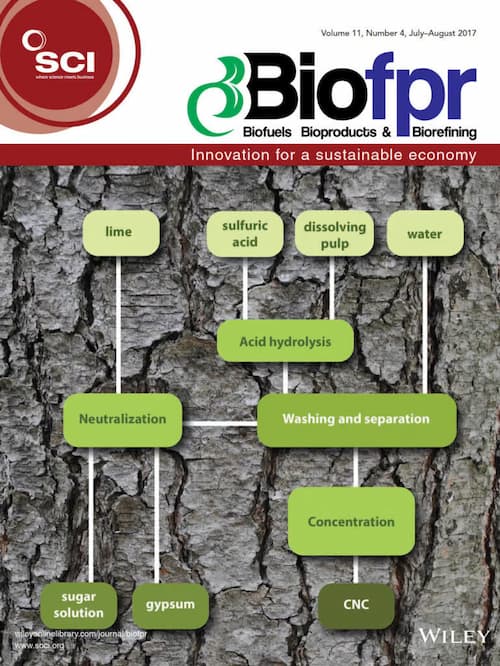
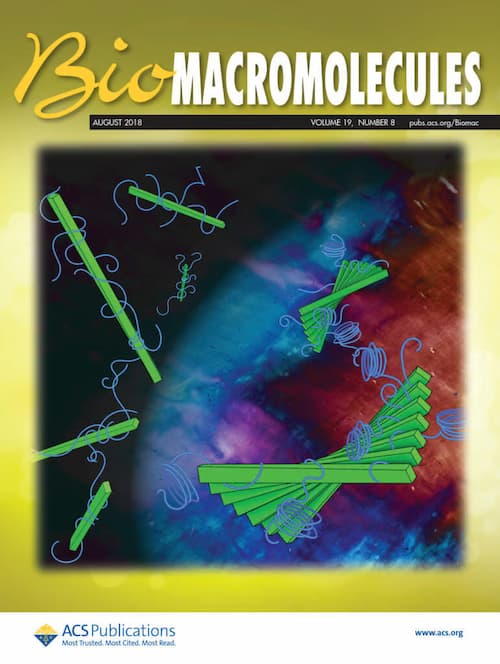
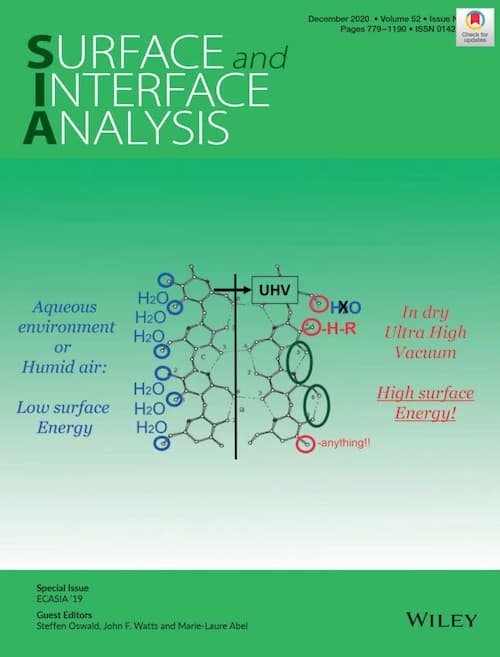
Dr. Scott Renneckar investigates the molecular structure and reactions of wood to transform trees and recycled fiber into novel materials that will serve as a platform for the bioeconomy. Critical to this transformation is the application of fundamental polymer science principles to the characterization, processing, and performance of the biopolymers and biobased composites. His research group’s goal is to apply novel processing methods to create petroleum free composites for the next generation of advanced renewable materials from Canadian forests and fields.
Successfully managing forests must include stewarding the hidden life belowground – Read article
Awards
IUFRO Scientific Achievement Award 2024 Fellow of the Royal Society of Canada 2024 Canadian Forestry Scientific Achievement Award 2005 Honourary Doctorate, University of Helsinki 2014
Selected Publications
OpenClose
Selected Publications
Prescott, CE (2024). Perspectives: Regenerative forestry–Managing forests for soil life. Forest Ecology and Management, 554, p.121674. https://doi.org/10.1016/j.foreco.2023.121674
Prescott, CE (2023). Sustaining organic matter in forest soils: What we’ve learned; what is left. Soil Science Society of America Journal 88: 1–7. https://doi.org/10.1002/saj2.20616
Prescott C.E. and S.J. Grayston (2023). TAMM review: Continuous root forestry—Living roots sustain the belowground ecosystem and soil carbon in managed forests Forest Ecology and Management 532: 120848
Prescott, C.E. (2022). Sinks for plant surplus carbon explain several ecological phenomena Plant & Soil 476: 689–698
Luan J., S. Liu, A. Schindlbacher, C.E. Prescott, A. Stokes and J. Whalen (2022). Plant-soil interactions in forests: Effects of management, disturbance and climate Soil Biology and Biochemistry 168: 108642
2. Cornelis J.-T., S. Bittman, A. Black, C. Chanway, S. Grayston, K. Hannam, R. Kabzems, M. Kranabetter, M. Krzic, L. Lavkulich, C. Prescott, M.D. Preston, P. Sanborn, S. Simard and S. Smukler (2022). Soil priorities in British Columbia, Canada Geoderma Regional 29
Nickels M.C.L. and CE. Prescott (2021). Soil carbon stabilization under coniferous, deciduous and grass vegetation in post-mining reclaimed ecosystems Frontiers in Forests and Global Change
Prescott C.E. and L. Vesterdal (2021). Tamm Review: Decomposition and transformations in the continuum from litter to soil organic matter Forest Ecology & Management 498: 119522
Prescott C.E., Y. Rui, M.F. Cotrufo and S.J. Grayston. (2021). Managing plant surplus carbon to generate soil organic matter in regenerative agriculture Journal of Soil and Water Conservation 76 (6) 99A-104A
Prescott, C.E., Grayston, S.J., Helmisaari, H.-S., Kaštovská, E., Körner, C., Lambers, H., Meier, I.C., Millard, P., Ostonen, I. (2021). Rhizosphere ‘Trade’ Is an Unnecessary Analogy: Response to Noë Trends in Ecology and Evolution 36, 176-177
Churchland, C., Bengtson, P., Prescott, C.E., Grayston, S.J. (2021). Dispersed variable-retention harvesting mitigates N losses on harvested sites in conjunction with changes in soil microbial community structure FRONTIERS IN FORESTS AND GLOBAL CHANGE Volume 3
Prescott, C.E. and Grayston, S.J. (2021). Forests. In FAO and ITPS (Eds.) Recarbonizing global soils: A technical manual of best management practices, Volume 2. Hot spots and bright spots of soil organic carbon.Food and Agriculture Organization of the United Nations, Rome, Italy.
Prescott, C.E and Grayston, S.J. (2021). Inclusion of N-fixing species. In FAO and ITPS (Eds.) Recarbonizing global soils: a technical manual of recommended management practices.Food and Agriculture Organization of the United Nations, Rome, Italy.
Prescott. C.E. and Nouvellon, Y. (2021). Afforestation, reforestation and natural forest regeneration. In FAO and ITPS (Eds.) Recarbonizing global soils: a technical manual of recommended management practices.Food and Agriculture Organization of the United Nations, Rome, Italy.
Prescott, C.E. and Grayston, S.J. (2021). Forest fertilization. In FAO and ITPS (Eds.) Recarbonizing global soils: a technical manual of recommended management practices.Food and Agriculture Organization of the United Nations, Rome, Italy.
Ferreira, G.W.D. and Prescott, C.E. (2021). Residue retention. In FAO & ITPS (Eds.) Recarbonizing global soils: a technical manual of recommended management practices.Food and Agriculture Organization of the United Nations, Rome, Italy.
Ramey, T.L., Prescott, C.E., Richardson, J.S. (2020). Influence of moisture, nutrients, and distance from stream on early-stage mass loss of western red cedar leaf litter in headwater riparian forests Canadian journal of forest research 50, 1391–1398
Mayer, M., Prescott, C.E., Abaker, W.E.A., Augusto, L., Cécillon, L., Ferreira, G.W.D., James, J., Jandl, R., Katzensteiner, K., Laclau, J.-P., Laganière, J., Nouvellon, Y., Paré, D., Stanturf, J.A., Vanguelova, E.I., Vesterdal, L. (2020). Tamm Review: Influence of forest management activities on soil organic carbon stocks: A knowledge synthesis Forest Ecology and Management 466, 118-127
C.E. Prescott, K. Katzensteiner and C. Weston (2020). Soils and Restoration of Forested LandscapesElsevier
Prescott, Cindy E; Grayston, Sue J; Helmisaari, Heljä-Sisko ; Kaštovská, Eva; Körner, Christian; Lambers, Hans; Meier, Ina C; Millard, Peter; Ostonen, Ivika (2020). Surplus carbon drives allocation and plant–soil interactions Trends in Ecology and Evolution 35, 1110-1118
Prescott CE, J Frouz, SJ Grayston, SA Quideau and J Straker (2019). Rehabilitating forest soils after disturbance. In: Global Change and Forest Soils. D Morris, D Page-Dumroese, C Giardina and M Busse (Eds).Elsevier
Addo-Danso S.D.,C.E. Prescott and L. de Montigny (2019). Responses of Western Hemlock, Western Redcedar, and Amabilis Fir to Fertilization: A SynthesisProvince of B.C., Victoria BC
JANDL R, SPATHELF P, BOLTE A, PRESCOTT C (2019). Forest adaptation to climate change – is non-management an option? Annals of Forest Science 76, 48
Philpott, TJ, JS Barker, CE Prescott, SJ Grayston (2018). Retention trees slow post-harvest fine-root decomposition in a coastal temperate rainforest Forest Ecology and Management 430:431-444
Binkley D, Adams M, Fredericksen T, Laclau JP, Prescott CE. (2018). Connecting ecological science and management in forests for scientists, managers and pocket scientists. Forest Ecology and Management 410: 157-163
Philpott TJ, Barker JS, Prescott CE, Grayston SJ (2018). Limited effects of variable retention harvesting on fungal communities decomposing fine roots in coastal temperate rainforests Applied Environmental Microbiology 84:e02061-17
Addo-Danso SD, PrescottCE, Adu-Bredu S, Duah-Gyamfi A, Moore S, Guy RD, Forrester DI, Owusu-Afriyie K, Marshall PL and Malhi Y (2018). Fine-root exploitation strategies differ in tropical old-growth and logged-over forests in Ghana Biotropica 50: 606-615
Ribbons RR, Kepfer-Rojas S, Kosawang C, Hansen OK, Ambus P, MacDonald M, Grayston SJ, Prescott CE, Vesterdal L (2018). Context-dependent tree species effects on soil nitrogen transformations and related microbial functional genesBiogeochemistry 140, 145-160.
Anderson, J., C.E. Prescott and S.J. Grayston (2018). Organic matter accumulation in reclaimed soils under spruce, poplar and grass in the Alberta Oil Sands New Forests in press
Morriën E and CE Prescott (2018). Pellets or particles? How can we predict the effect of soil macro-arthropods on litter decomposition Functional Ecology 32:2480-2482 British Ecological Society
Meier, I, Brunner, I, Godbold D, Helmisaari, H-S, Ostonen I, Soudsilovskaia NA, Prescott CE (2018). Roots and rhizospheres in forest ecosystems: Recent advances and future challenges Forest Ecology and Management 431:1-5
Reid A, L de Montigny L, C Prescott, and T Sajedi (2017). A Systematic Review of Forest Fertilization Research in Interior British Columbia. Prov. B.C., Victoria, B.C. Tech. Rep. 111.Prov. B.C., Victoria, B.C. Tech. Rep. 111.
Masse, J, Prescott, CE, Renaut, S, Terrat, Y, and Grayston, SJ. (2017). Plant community and nitrogen deposition as drivers of alpha and beta diversities of prokaryotes in reconstructed oil sand soils and natural boreal forest soils Applied Environmental Microbiology
Smyth CE, B. Titus, J. A. Trofymow, T. R. Moore, C. M. Preston, C. E. Prescott & the CIDET Working Group (2017). Patterns of carbon, nitrogen and phosphorus dynamics in decomposing wood blocks in Canadian forestsPlant & Soil 409: 459-477
Christiansen JR, D Levy-Booth, CE Prescott, SJ Grayston (2017). Different soil moisture control of net methane oxidation and production in organic upland and wet forest soils of the Pacific coastal rainforest in CanadaCan J For Res 47: 628-635
Moore, TR, JA Trofymow, CE Prescott, BD Titus (2017). Can short-term litter-bag measurements predict long-term decomposition in northern forests?Plant & Soil 416: 419-426
Prescott CE, AM Reid, S Wu, M-C Nilsson (2017). Decomposition rates of surface and buried forest-floor materialCan J For Res 47: 1140-1144
Prescott CE, K Corrao, AM Reid, JM Zukswert and and SD Addo-Danso (2017). Changes in mass, carbon, nitrogen and phosphorus in logs decomposing for 30 years in three Rocky Mountain coniferous forestsCan J For Res 47: 1418-1423
Zukswert, JM and CE Prescott (2017). Relationships among leaf functional traits, litter traits, and mass loss during early phases of leaf litter decomposition in 12 woody plant speciesOecologia. 2017 Sep 8. doi: 10.1007/s00442-017-3951-z
Christiansen, JR Levy-Booth, DJ, Prescott, CE, and Grayston, SJ. (2016). Microbial and environmental controls of methane fluxes along a soil moisture gradient in a Pacific coastal temperate rainforest. Ecosystems
Levy-Booth DJ, CE Prescott, JR Christiansen, SJ Grayston (2016). Site preparation and fertilization of wet forests alter soil bacterial and fungal abundance, community profiles and CO2 fluxesForest Ecology & Management 375: 159-171
Masse J, CE Prescott, C Mueller, SJ Grayston (2016). Gross nitrogen transformation rates differ in reconstructed oil-sand soils from natural boreal-forest soils as revealed using a N-15 tracing methodGeoderma 282: 37-48
Prescott, CE, Zukswert, JM. (2016). Invasive plant species and litter decomposition: time to challenge assumptions.New Phytologist 209: 5-7
Reid, AM, WK Chapman and CE Prescott (2016). Comparing lodgepole pine growth and disease occurrence at six Long-Term Soil Productivity (LTSP) sites in British Columbia, Canada Canadian Journal of Forest Research Canadian Journal of Forest Research
Addo-Danso, SD, Prescott, CE, Smith, AR. (2016). Methods for estimating root biomass and production in forest and woodland ecosystem carbon studies: A review.Forest Ecology and Management 359: 332-351
Levy-Booth, DJ, Prescott, CE, Christiansen, JR and Grayston, SJ. (2016). Site preparation and fertilization of wet forests alter soil bacterial and fungal abundance, community profiles and CO2 fluxes.Forest Ecology and Management 375: 159-171.
Ribbons, RR, Levy-Booth, DJ, Masse, J, Grayston, SJ, McDonald, MA, Vesterdal, L, and Prescott, CE. (2016). Linking microbial communities, functional genes and nitrogen-cycling processes in forest floors under four tree species.Soil Biology and Biochemistry 103: 181-191
Reid, AM, Chapman, WK, Prescott, CE. 2016 and Nijland, W. (2016). Using excess greenness and green chromatic coordinate colour indices from aerial images to assess lodgepole pine vigour, mortality and disease occurrence.Forest Ecology and Management 374: 146–153
Masse, J, Grayston SG, Prescott CE, and Müller, C (2016). Gross nitrogen transformation rates differ in reconstructed oil-sands soils from natural boreal-forest soils as revealed using a 15N tracing method.Geoderma 282: 37–48
Reid, AM, Chapman, WK, Kranabetter, MJ, Prescott, CE. (2015). Response of lodgepole pine health to soil disturbance treatments in British Columbia, CanadaCan. J. For. Res. 45:1045-1055
Philpott TJ, CE Prescott, WK Chapman and SJ Grayston (2014). Nitrogen translocation and accumulation by a cord-forming fungus (Hypholoma fasciculare) into simulated woody debrisForest Ecology and Management 315: 121-128
Augusto L, A De Schrijver, L Vesterdal, A Smolander, CE Prescott and J Ranger (2014). Influences of evergreen gymnosperm and deciduous angiosperm tree species on the functioning of temperate and boreal forestsBiological Reviews 11 JUN 2014, DOI: 10.1111/brv.12119
Kishchuk, Barbara, Sylvie Quideau, Yonghe Wang, and Cindy Prescott (2014). Long-term soil response to variable-retention harvesting in the EMEND (Ecosystem Management Emulating Natural Disturbance) experiment, northwestern AlbertaCanadian Journal of Soil Science 94: 263-279
Prescott, C.E. (2014). The scientific value of long-term field trials in forest soils and nutrition research: an opportunist’s perspectiveCanadian Journal of Soil Science 94: 255-262
Levy-Booth, Prescott CE, Grayston SJ (2014). Microbial functional genes involved in nitrogen fixation, nitrification and denitrification in forest ecosystems.Soil Biology & Biochemistry 75, 11-25.
Prescott, C.E, and K. Weese (2014). Crossing the Divide: Engaging scientists and policy-makers in adapting forest management to climate change in British ColumbiaForestry Chronicle 90:61-67
Prescott Cindy • Victor Nery • Annette van Niejenhuis • Toktam Sajedi • Peter Marshall (2013). Nutrition management of cedar and hemlock plantations in coastal British ColumbiaNew Forests 44:769–784
Prescott CE and Grayston SJ (2013). Tree species influence on microbial communities in litter and soil: current knowledge and research needs. Forest Ecology and Management Forest Ecology & Management 309: 19-27
Campbell, J., P. Bengtson, A.L. Fredeen, D. Coxson and C.E. Prescott (2013). Does exogenous carbon extend the realized niche of canopy lichens? Evidence from sub-boreal forests in British Columbia?Ecology 94: 1186–1195
Suzuki Y, Grayston SJ, Prescott CE. (2013). Effects of leaf litter consumption by millipedes (Harpaphe haydeniana) on subsequent decomposition depends on litter typeSoil Biology & Biochemistry 57, 116-123.
Quideau, S.A., M.J.B. Swallow, C.E. Prescott, S.J. Grayston, and S.-W. Oh (2013). Comparing soil biogeochemical processes in novel and natural boreal forest ecosystemsBiogeosciences 10: 5651–5661
Prescott, Cindy and Lars Vesterdal (2013). Tree species effects on soils in temperate and boreal forests: emerging themes and research needs.Forest Ecology & Management 309: 1-3
Sajedi T, CE Prescott, B Seely and LM Lavkulich (2012). Relationships among soil moisture, aeration and plant communities in natural and harvested coniferous forests in coastal British Columbia, Canada.Journal of Ecology 100: 605-618
Sajedi T, CE Prescott, B Seely, LM Lavkulich (2012). Relationships among soil moisture, aeration and plant communities in natural and harvested coniferous forests in coastal British Columbia, Canada. Journal of Ecology DOI: 10.1111/j.1365-2745.2011.01942.x
Switzer J, Hope G, Grayston SJ, Prescott CE. (2012). Changes in soil chemical and biological properties after thinning and prescribed fire for ecosystem restoration in Rocky Mountain forests.Forest Ecology & Management 275, 1-13.
Brockett BFT, Prescott CE, Grayston SJ. (2012). Soil moisture is the major factor influencing microbial community structure and enzyme activities across seven biogeoclimatic zones in western Canada.Soil Biology & Biochemistry 44, 9-20.
Jerabkova L, CE Prescott, BD Titus, GD. Hope and MB Walters (2011). A meta-analysis of the effects of clearcut and variable-retention harvesting on soil nitrogen fluxes in boreal and temperate forests.Canadian Journal of Forest Research 41:1852-1870
Julia Dordel, Suzanne W. Simard, Jürgen Bauhus, Robert D. Guy, Cindy E. Prescott, Brad Seely, Hermann Hampel, Luciano J. Pozasd (2011). Effects of nurse-tree crop species and density on nutrient and water availability to underplanted Toona ciliata in northeastern Argentina Canadian Journal of Forest Research, 2011, 41(9): 1754-1768
Venner, KH, CM Preston and CE Prescott. (2011). Characteristics of wood wastes in British Columbia and their potential suitability as soil amendments and seedling growth mediaCan J Soil Science 91:95-106
Moore TR, JA Trofymow, CE Prescott, BD Titus and CIDET Working Group. (2011). Nature and nurture in the dynamics of C, N and P during litter decomposition in Canadian forests.Plant and Soil 339:163–175
Dordel, J., Simard, S.W., Bauhus, J., Guy, R.D., Prescott, C., Seely, B., Pojas, L.J. (2011). Effects of nurse-crop species and density on nutrient and water availability to underplanted T. ciliata in north-eastern ArgentinaCanadian Journal of Forest Research 41:1754-1768.
Dimitriu PA, Prescott CE, Quideau SA, Grayston SJ. (2010). Impact of reclamation of surface-mined boreal forest soils on microbial community composition and function.Soil Biology & Biochemistry 42, 2289-2297.
Campbell, J, GE Bradfield, CE Prescott and AL Fredeen (2010). The influence of overstorey Populus on epiphytic lichens in sub-boreal spruce forests of British Columbia NRC Press Can. J. For. Res. 40:143-154
Campbell, J, AL Fredeen and CE Prescott (2010). Decomposition and nutrient release from four epiphytic lichen litters in sub-boreal spruce forests NRC Press Can. J. For. Res. 40: 1473–1484
Prescott, C.E. (2010). Litter Decomposition: What controls it and how can we alter it to sequester more carbon in forest soils?Biogeochemistry 101:133-149
Dordel J, Simard SW, Bauhus J, Seely B, Pozas LJ, Prescott CE, Hampel H. (2010). Trade-offs among establishment success, stem morphology and productivity of underplanted Toona ciliata: effects of nurse-species and thinning densityForest Ecology and Management, 259: 1846-1855.
Venner, KH, CE Prescott and CM Preston (2009). Leaching of nitrogen and phenolics from wood waste and co-composts used for road rehabilitation Journal of Environmental Quality Journal of Environmental Quality 38:281-290
Rowland SM, Prescott CE, Grayston SJ, Quideau SA, Bradfield G. (2009). Recreating a functioning forest soil in reclaimed oil sands in northern Alberta: an approach for measuring success in ecological restoration.Journal of Environmental Quality 38, 1580-1590.
Basiliko N, Khan A, Roy R, Prescott CE, Grayston SJ. (2009). Greenhouse gas and nutrient dynamics in recently fertilized western Canadian plantation forest soils.Canadian Journal of Forest Research 39, 1220-1235.
Herrmann, S. and C.E. Prescott (2008). Mass loss and nutrient dynamics of coarse woody debris in Rocky Mountain coniferous forests: 21-year resultsCanadian Journal of Forest Research 38:125-132
Prescott. C.E. and T. Sajedi (2008). The role of salal in forest regeneration problems in coastal British Columbia: problem or symptom?Forestry Chronicle 84:29-36
Grayston SJ and Prescott CE (2007). Towards sustainable forestry – The living soil: Soil biodiversity and ecosystem function – Foreword to Special Issue.Canadian Journal of Forest Research 37 (2), V-VI.
Jerabkova L, CE Prescott and BE Kishchuk (2007). Effect of variable-retention harvesting on soil nitrogen availability in boreal mixed-wood forests.Canadian Journal of Forest Research 36:3029-3038
Zabek, LM, CE Prescott. (2007). Steady-state nutrition and stable internal nutrient ratios of hybrid poplar grown from unrooted cuttingsNew Forests 34:13-23
Lalonde, RG and CE Prescott (2007). Partitioning heterotrophic and rhizospheric soil respiration in a mature Douglas-fir (Pseudotsuga menziesii) forestCanadian Journal of Forest Research 37:1287-1297
Bulmer, C, KH Venner and CE Prescott (2007). Forest soil rehabilitation with wood waste: tree growth and characteristics of rehabilitated and untreated soils-Canadian Journal of Forest Research 37: 1894-1906
Bengtson P, Basiliko N, Prescott CE, Grayston SJ (2007). Spatial dependency of soil nutrient availability and microbial properties in a mixed forest of Tsuga heterophylla and Pseudotsuga menziesii, in coastal British Columbia, Canada.Soil Biology & Biochemistry 39, 2429-2435.
Jerabkova, L. and C.E. Prescott (2007). Post-harvest soil nitrate dynamics in aspen- and spruce-dominated boreal forests.Forest Ecology and Management 242:209-216
Negrave, R. and C.E. Prescott (2007). Growth and Nutrition of Juvenile Conifer Plantations with Different Fertilization and Stand Density Combinations on Northern Vancouver Island-Canadian Journal of Forest Research 37: 2587-2599
Titus, BD, CE Prescott and 7 others. (2006). Post-harvest nitrogen cycling in clearcut and alternative silvicultural systems in coastal British ColumbiaForestry Chronicle 82:844-859
Blevins, L.L., C.E. Prescott, A.V. Niejenhuis (2006). The Effect of Phosphorus Fertilization on Nitrogen and Phosphorus Deficient Sites on Northern Vancouver Island.Forest Ecology and Management 234:116-122.
Moore, T.R., C.E. Prescott et al. (2006). Patterns of carbon, nitrogen and phosphorus dynamics in decomposing foliar litter in Canadian forests.Ecosystems 9:46-62
Zabek, LM, CE Prescott. (2006). Biomass equations and carbon content of aboveground leafless biomass of hybrid poplar in coastal British Columbia.For. Ecol. Manage. 223:291-302.
Jerabkova, L, Prescott, CE and Kishchuk, BE. (2006). Nitrogen availability in soil and forest floors of contrasting types of boreal mixedwood forests.Can. J. For. Res. 36:112-122.
Blevins, D, CE Prescott, HL Allen and T Newsome. (2005). Effects of thinning and fertilization on repressed lodgepole pine growth, foliage biomass, and growth efficiency.Can. J. For. Res. 35:2851-2859.
Prescott, C.E. and L. Vesterdal (2005). Effects of British Columbia tree species on forest floor chemistry. Kluwer Academic, Dordrecht, The Netherlands. -In: O. Menyailo and D. Binkley (eds). Trees and Soil Interactions, Implications to Global Climate Change. NATO Science Series.
Prescott, C.E. (2005). Decomposition and mineralization of nutrients from litter and humus. Springer Verlag Ecological Studies series. Springer, Berlin. pp. 15-41 In: Nutrient acquisition by plants: an ecological perspective. H. BassiriRad, editor.
Blevins, D.P. C.E. Prescott, H.L. Allen, and T. Newsome (2005). The Effects of Nutrition and Density on Growth, Foliage Biomass, and Growth Efficiency of High-density, Fire-origin Lodgepole Pine in Central British Columbia. Canadian Journal of Forest Research Canadian Journal of Forest Research, 35: 2857-2859
Grayston, S.J. and C.E. Prescott (2005). Microbial communities in forest floors under four tree species in coastal British Columbia.Soil Biology and Biochemistry, 37: 1157-1167
Moore, T.R., J.A. Trofymow, M. Siltanen, C. Prescott, and CIDET Working Group (2005). Patterns of decomposition and carbon, nitrogen, and phosphorus dynamics of litter in upland forest and peatland sites in central Canada.Canadian Journal of Forest Research, 35: 133-142
Prescott, Cindy E., L. Blevins (2005). Eleven-year growth response of young conifers to biosolids or nitrogen and phosphorus fertilizer on northern Vancouver Island.Canadian Journal of Forest Research, 35: 211-214
Prescott, C.E. (2005). Do rates of litter decomposition tell us anything we really need to know? Forest Ecology and Management Forest Ecology and Management, 220: 66-74
Prescott, C.E., Vesterdal, L., Preston, C.M., and Simard, S.W. (2004). Influence of initial chemistry on decomposition of foliar litter in contrasting forest types in British Columbia.Canadian Journal of Forest Research, 34: 1714-1729.
Bennett, J.N., B. Lapthorne, L.L. Blevins, and C.E. Prescott (2004). Response of salal (Gaultheria shallon) and fireweed (Epilobium angustifolium) to large additions of nitrogen and phosphorus fertilizer.Canadian Journal of Forest Research, 34: 502-506
Lavery, J.M., C.E. Prescott and P.G. Comeau (2004). The influence of red alder patches on light, litterfall and soil nutrients in adjacent conifer stands.Canadian Journal of Forest Research, 34: 56-64
Leckie SE, Prescott CE, Grayston SJ, Neufeld JD and Mohn WW (2004). Characterisation of microbial communities in adjacent forest types that differ in nitrogen availability.Microbial Ecology, 48: 29-40
Bennett, J.N, and C.E Prescott. (2004). Organic and inorganic nitrogen nutrition of western red cedar, western hemlock and salal in mineral N-limited cedar-hemlock forests.Oecologia, 141: 468-476
Prescott, C.E., L. Blevins, C. Staley (2004). Litter decomposition in B.C. forests: controlling factors and influences of forestry activities.BC Journal of Ecosystems and Management, 5(2):30-43
Leckie, S. C.E. Prescott and S.J. Grayston (2004). Forest floor microbial response to tree species and fertilization of regenerating coniferous forests.Canadian Journal of Forest Research, 34: 1426-1435
Leckie, S. C.E. Prescott, S.J. Grayston, J. Neufeld and W. Mohn (2004). Comparison of chloroform fumigation-extraction, phospholipid fatty acid, and DNA methods to determine microbial biomass in forest humus.Soil Biology and Biochemistry, 36: 529-532
Weber, A., B. Gilbert, J.P. Kimmins and C.E. Prescott. (2003). Factors limiting the early survivorship of (Thuja plicata) on northern Vancouver Island.Can. J. For. Res., 33:,854-861.
Leckie, S.E., Prescott, C.E., Grayston, S.J., Neufeld, J.D., and Mohn, W.W. (2003). Characterization of humus microbial communities in adjacent forest types that differ in nitrogen availability.Microbial Ecology, 48: 29-40 (2004)
Yanai, R,.D., S.V. Stehman, M.A. Arthur, C.E. Prescott, A.J. Friedland, T.G. Siccama, and D. Binkley (2003). Detecting change in forest floor carbon storage.Soil Science Society of America Journal, 67: 1583-1593
Bennett, J.N., L.L. Blevins, J.E. Barker, D.P. Blevins and C.E. Prescott. (2003). Increases in tree growth and nutrient supply still apparent 10-13 years following fertilization and vegetation control of salal-dominated cedar-hemlock stands on Vancouver Island.Canadian Journal of Forest Research, 33: 1516-1524.
Weber, A., B. Gilbert, J.P. Kimmins and C.E. Prescott (2003). Factors limiting the early survivorship of Thuja plicata on northern Vancouver Island.Canadian Journal of Forest Research, 33: 854-861
Laiho, R. and C.E. Prescott (2003). Decay and nutrient dynamics of coarse woody debris in northern coniferous forests.Canadian Journal of Forest Research, 34: 763-777
Hannam, K. and C.E. Prescott (2003). Does clearcutting alter the abundance of soluble organic nitrogen in forest soils?Can. J. For. Res., 33: 1709-1718.
Hope, G.D., C.E. Prescott and L.L. Blevins (2003). Responses of soil nitrogen concentrations and litter decomposition to openings of different sizes in dry interior Douglas-fir forests in British Columbia.For Ecol Management, 186: 33-46
Prescott, C.E., G.D. Hope and L.L. Blevins (2003). Effect of gap size on litter decomposition and soil nitrate concentration in a high-elevation spruce-fir forest.Can. J. For. Res., 33: 2210-2220
Bennett, J.N., B. Andrew and C.E. Prescott (2002). Vertical fine root distributions of western redcedar, western hemlock and salal in old-growth cedar-hemlock forests on northern Vancouver Island.Can. J. For. Res., 32: 1208-1216.
Prescott, C.E. (2002). The influence of the forest canopy on nutrient cycling.Tree Physiol., 22: 1193-1200
Trofymow, J.A., T.R. Moore, B. Titus, C.E. Prescott et al. (2002). Rates of litter decomposition after six years in Canadian forests: influence of litter quality and climate.Can. J. For. Res., 32: 789-804.
Kishchuck, B.E., G.F. Weetman, R.B. Brockley, and C.E. Prescott. (2002). 14-year growth response of young lodgepole pine to repeated fertilization.Can. J. For. Res., 32: 153-160
Bothwell, K.S., C.E. Prescott and M.C. Jones. (2001). Factors contributing to the superior growth and N nutrition of 11-year-old lodgepole pine compared to Sitka spruce on a N-poor cedar-hemlock cutover.Canadian Journal of Forest Research, 31: 1272-1279
Cárcamo, H.A., Prescott, C.E., Chanway, C.P. and T.A. Abe (2001). Do soil fauna increase rates of litter breakdown and nitrogen release in forests of British Columbia?Canadian Journal of Forest Research, 31: 1195-1204.
Rowell, D.M., C.E. Prescott and C.M. Preston. (2001). Decomposition and nitrogen mineralization from biosolids and other organic materials: relationship with initial chemistry.J. Environ. Qual., 30: 1401.
Mallik, A.U. and C.E. Prescott. (2001). Growth inhibitory effects of salal (Gaultheria shallon) on western hemlock and western red cedar: Allelopathy or competition?Agron. J., 93: 85-92.
Prescott, C.E., L.L. Blevins and C.L. Staley. (2000). Effects of clearcutting on decomposition rates of litter and humus in forests of British Columbia.Can. J. For. Res., 30: 1751-1757.
Prescott, C.E., H.N. Chappell and L. Vesterdal. (2000). Nitrogen cycling in coastal Douglas-fir forests along a gradient in soil nitrogen capital.Ecol., 81: 1878-1886.
Prescott, C.E., D.G. Maynard and R. Laiho. (2000). Humus in boreal forests: Friend or foe?For. Ecol. Manage., 133: 23-36.
Prescott, C.E., L. Vesterdal, J. Pratt, K.H. Venner, L.M. de Montigny, and J.A. Trofymow. (2000). Nutrient concentrations and nitrogen mineralization in forest floors of single species conifer plantations in coastal British Columbia.Can. J. For. Res., 30: 1341-1352.
Prescott, C.E., L.M. Zabek, C.L. Staley, and R. Kabzems. (2000). Decomposition of broadleaf and needle litter in forests of British Columbia: Influences of litter type, forest type and litter mixtures.Can. J. For. Res., 30: 1742-1750.
Thomas, K.D. and C.E. Prescott. (2000). Nitrogen availability in forest floors of three tree species on the same site: The role of litter quality.Can. J. For. Res., 30: 1698-1706.
Bradley, R.L., B.D. Titus, K. Hogg, C. Preston, C.E. Prescott, and J.P. Kimmins. (2000). Assessing the controls on soil mineral-N cycling rates in managed coastal western hemlock ecosystems of British Columbia.J. Sustainable Forestry, 10: 213-219.
Weetman, G.F. and C. Prescott. (2000). The structure, functioning and management of old-growth cedar-hemlock-fir forests on Vancouver Island, British Columbia. Blackwell Science Ltd., Oxford. pp. 275-287 in Evans, J. (ed.), The Forests Handbook, Volume 2: Applying Forest Science for Sustainable Management.
Cárcamo, H.A., T.A. Abe, C.E. Prescott, and C.P. Chanway (2000). Influence of millipedes on litter decomposition, N mineralization, and microbial communities in a coastal forest in British Columbia, Canada.Can. J. For. Res., 30: 817-826.
Chappell, H.N., C.E. Prescott and L. Vesterdal. (1999). Long-term nitrogen availability in repeatedly fertilized coastal Douglas-fir.Soil Sci. Soc. Amer., 63: 1448-1454.
Laiho, R. and C.E. Prescott. (1999). The contribution of coarse woody debris to carbon, nitrogen and phosphorus cycles in three Rocky Mountain coniferous forests.Can. J. For. Res., 29: 1592-1603.
Moore, T.R., J.A. Trofymow, B. Taylor, C. Prescott, C. Camire, L. Duschene, J. Fyles, L. Kozak, M. Kranabetter, I. Morrison, M. Siltanen, S. Smith, B. Titus, S. Visser, R. Wein and S. Zoltai. (1999). Litter decomposition rates in Canadian forests.Global Change Biology, 5: 75-82.
Prescott, C.E. and L. Blevins. (1999). The Salal Cedar Hemlock Integrated Research Program: Management through understanding.For. Chron., 75: 447-451.
Prescott, C.E., R. Kabzems and L.M. Zabek. (1999). Effects of fertilization on decomposition rate of Populus tremuloides Michx. foliar litter in a boreal forest.Can. J. For. Res., 29: 393-397.
Prescott, C.E., D.G. Maynard and R. Laiho. (1999). Humus in boreal forests: Friend or foe? University of Northern B.C., Prince George. pp. 3-20 in Proc. Ecology and Management of Northern Forest Soils.
Weetman, G.F., C.E. Prescott, F.L. Kohlberger and R.M. Fournier. (1998). Ten-year growth response of coastal Douglas-fir to N and S fertilization in an optimum nutrition trial.Canadian Journal of Forest Research, 27: 1478-1482.
Prescott, C.E. and S.M. Brown. (1998). Do Organic fertilizers provide a sustained growth response to conifers?Canadian Journal of Forest Reseach, 28: 1328-1334.
Prescott, C.E. (1997). Effects of clearcutting and alternative silvicultural systems on rates of decomposition and nitrogen mineralization in a coastal montane forest.Forest Ecology and Management, 95: 253-260.
Prescott, C.E. and G. Hope. (1997). Sicamous Creek Silvicultural Systems Trial: Litter input, decomposition and nitrogen mineralization. In Sicamous Creek Silvicultural Systems Project Workshop Proceedings. C. Hollstedt and A. Vyse, (eds.), Research Branch, BC Ministry of Forests. Working Paper 24, Victoria, BC.
Prescott, C.E. and L.M. Zabek. (1997). Growth response and nutrient availability in western red cedar plantations following amendment with fish compost and straw.Canadian Journal of Forest Research, 27: 598-602
Weetman, G.F., C.E. Prescott, F.L. Kohlberger and R.M. Fournier (1997). Ten-year growth response of coastal Douglas-fir to N and S fertilization in an optimum nutrition trial.Canadian Journal of Forest Research, 27: 1478-1482.
Weetman. G.F., C.E. Prescott, F.L. Kohlberger, and R.M. Fournier. (1997). Ten-year growth response of coastal Douglas-fir on Vancouver Island to N and S fertilization in an optimum nutrition trial.Can. J. For. Res., 27: 1478-1482.
Prescott, C.E. (1996). A Field Guide to Regeneration of Salal-Dominated Cedar Hemlock Sites in the CWH. Faculty of Forestry & Environmental Stewardship, U.B.C.
Prescott, C.E. (1996). Influence of forest floor type on rates of litter decomposition in microcosms.Soil Biology and Biochemistry, 28: 1319-1325
Keenan, R.J., C.E. Prescott, J.P. Kimmins, J. Pastor and B. Dewey. (1996). Mass loss and nutrient dynamics of decomposing litter in western redcedar and western hemlock forests on northern Vancouver Island, British Columbia.Canadian Journal of Botany, 74: 1626-1634.
Prescott, C.E., G.F. Weetman and J.E. Barker. (1996). Causes and amelioration of nutrient deficiencies in cedar-hemlock cutovers in coastal British Columbia.Forestry Chronicle, 72: 293-302
I am the faculty lead of Urban Nature DEsign Research Lab (under_lab). The under_lab seeks to transform urban nature planning and design through innovative and impactful research. My work focuses on understanding how to design healthy, just, and resilient cities through urban nature.
I hold bachelor’s and master’s degrees in landscape architecture from Seoul National University and a Ph.D. degree in urban planning and design from the University of Utah. Before joining UBC, I was an assistant professor in the Department of Landscape Architecture and Environmental Planning at Utah State University.