Marine Education Ambassador at Nicholas Sonntag Marine Education Centre in Gibsons, BC
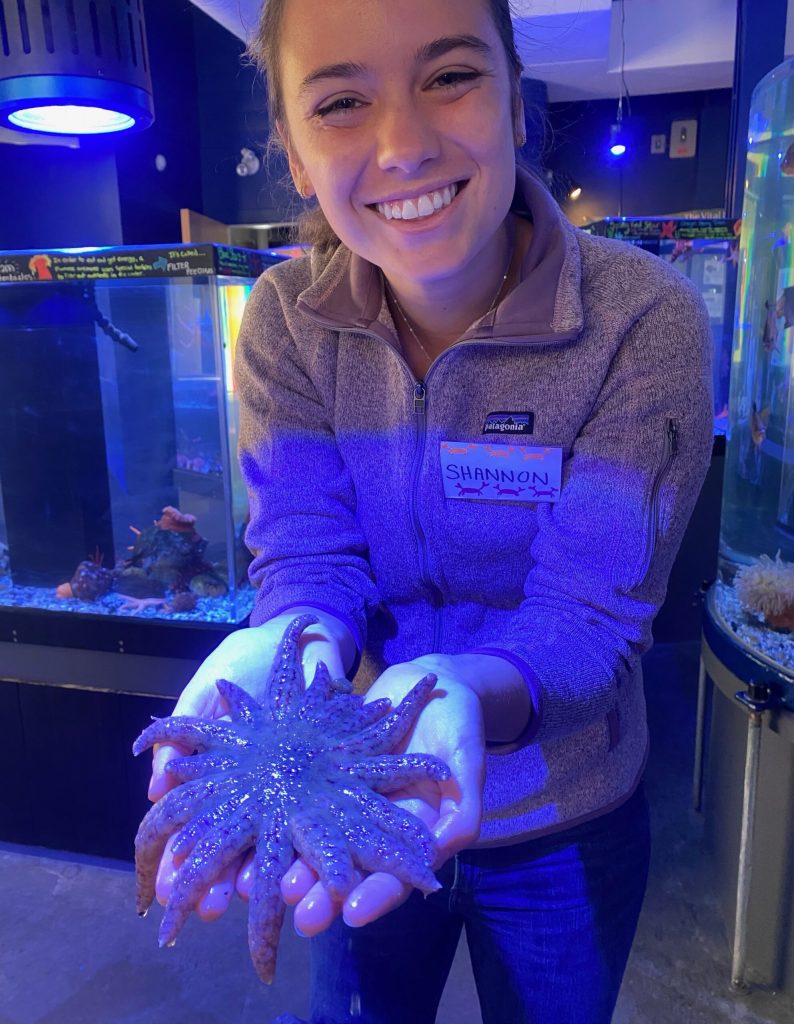
For my first Co-op work term, I have been working at an aquarium called the Nicholas Sonntag Marine Education Center on the Sunshine Coast. As a Marine Education Ambassador, my tasks varied widely, from caring for animals such as octopus, crabs, sea stars, anemones and rockfish to cleaning up marine debris from our waters. Every day’s tasks were vastly different from each other. Over this work term, I have gained a lot of practical knowledge about the identification of marine species, how to properly care for and feed aquatic animals, the proper protocols in the collect and release of animals and how to engage the public of all ages in meaningful ways about endangered species in our waters. This placement has provided me with so much hands-on experience and I am so grateful that I have gotten to participate in the celebration of our marine life here in the Pacific Northwest. This job has shown me the intriguing behaviors of animals and the biodiversity teeming underneath our waters; I will never look at the ocean the same way again!
Park Worker at Metro Vancouver/Parks in Langley, BC
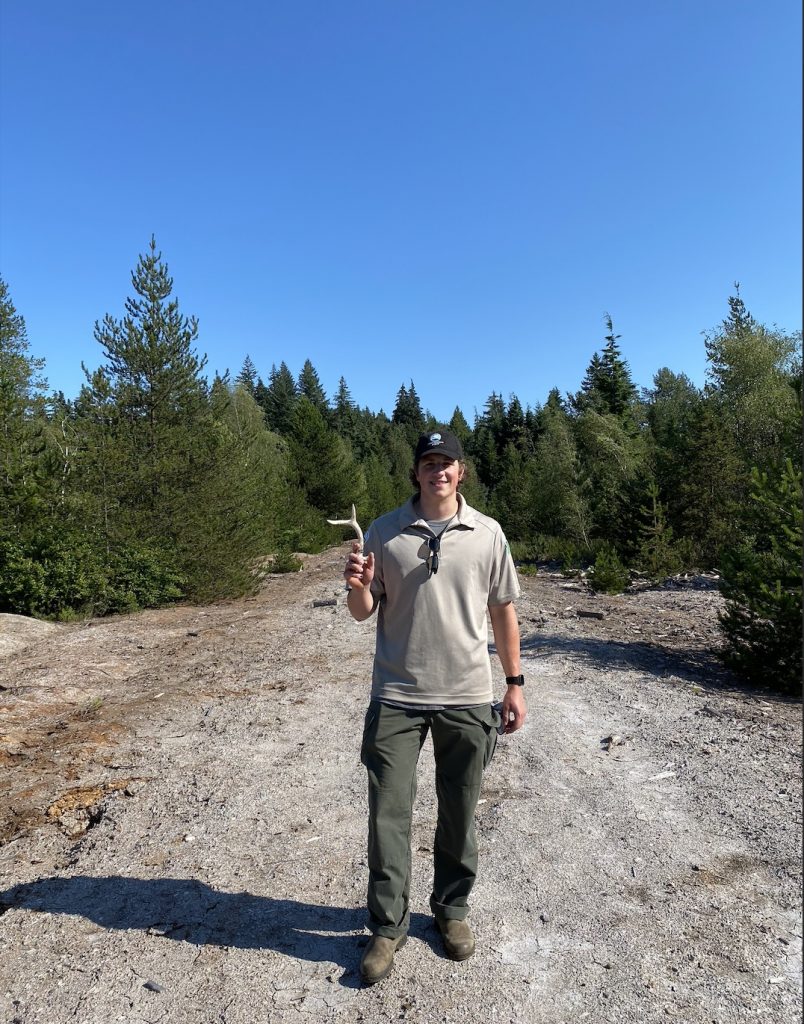
In my first work term I’ve had the wonderful opportunity to be working for Metro Vancouver in Derby Reach Regional Park as a park worker. As a park worker we maintain the cleanliness and safety of the park and it’s trails while operating various pieces of equipment, repairing buildings and structures as well as aiming to incorporate the public into one of Metro Vancouver’s most popular nature parks. By having a presence in the park we are able to interact with the public and educate individuals on Metro Vancouver bylaws and aspects of the park such as the Fraser river which it is situated next to! A typical shift varies greatly in this work environment and can include landscaping and maintaining grass, trees, shrubs, etc., invasive species removal, aiding injured wildlife, ensuring park users are following bylaws and preserving the park and its features through educating. This position has allowed me to grow in many ways and develop my strengths of work ethic, independence in completing tasks, working in a well functioning team and communication skills with both coworkers and the public. Further, through working in parks it opens possible future paths for myself as well as allowing me to incorporate aspects of what I have learned in my degree into the real world. I would certainly recommend this position to anyone that enjoys being outdoors everyday while gaining good experience working in their area of study.
Business Strategy Intern at C-Change Labs Inc. in Vancouver, BC
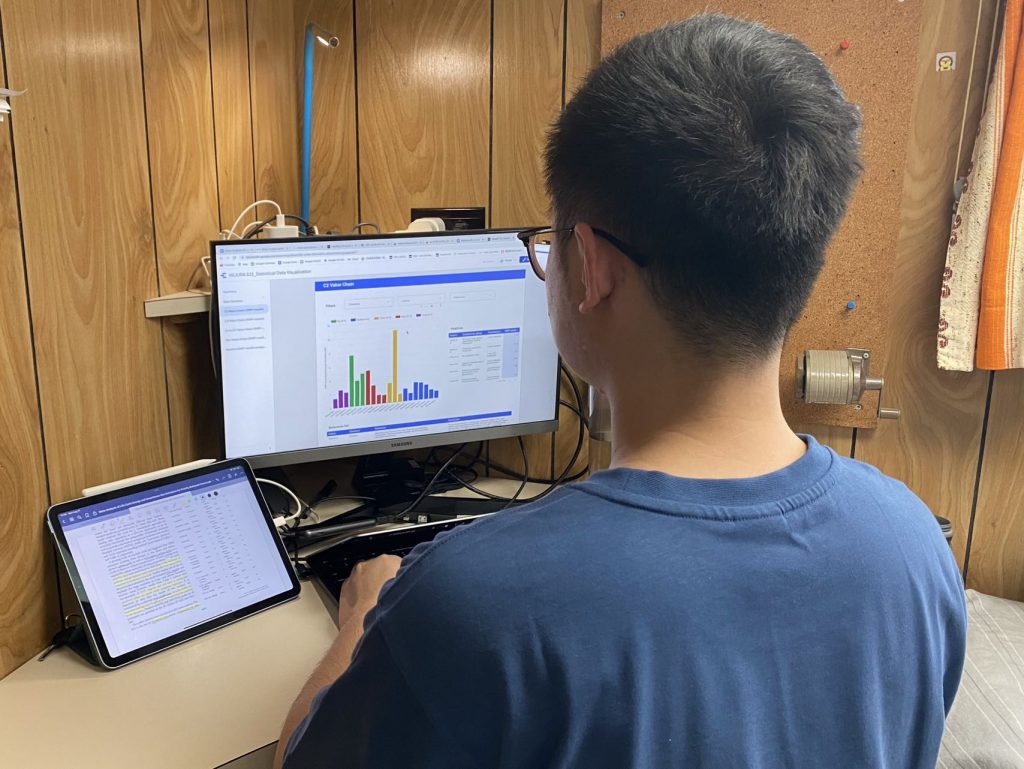
For my second co-op term, I was honoured to be a Mitacs business strategy intern at C-Change-Labs Inc. My primary responsibility is to upload new Environmental Products Declarations (EPDs) through the EC3 web tool, find and fix incorrect EPD data, identify digitization rules, and analyze the life cycle results. Through this research experience, I better understood how life cycle assessment is used to evaluate a product’s environmental impacts by browsing hundreds of EPDs.
Moreover, I found that my data analysis skills and academic writing abilities had improved significantly during this period.
Co-op Student Manufacturing at Western Forest Products in Port Alberni, BC
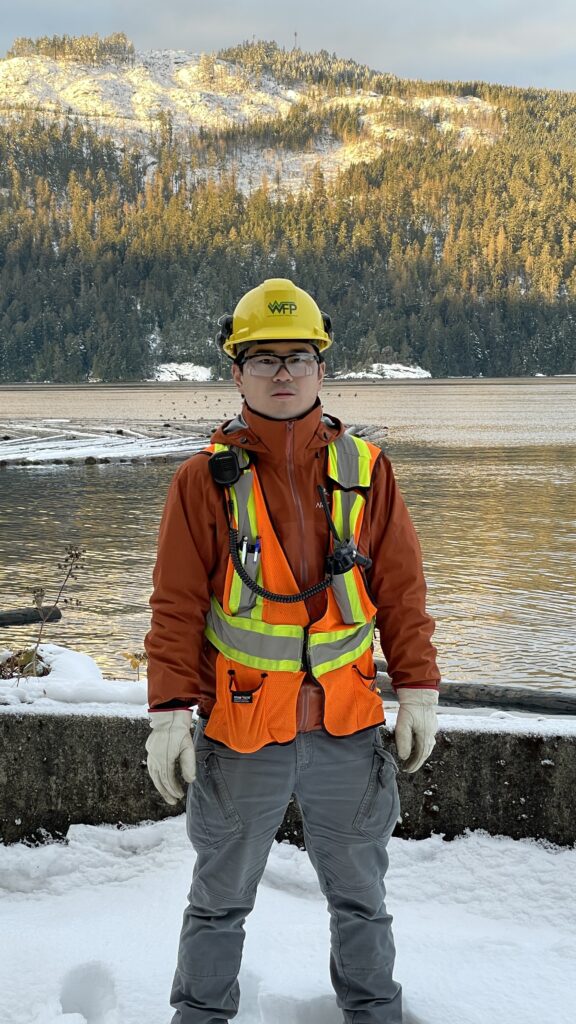
This is my second term with Western. I stayed at APD for four more months, met with interesting people and stay busy almost every day. Strongly recommend joining the Co-op program if you consider working in the wood industry in western Canada.
Logistics Summer Student at Mosaic Forest Management in Nanaimo, BC
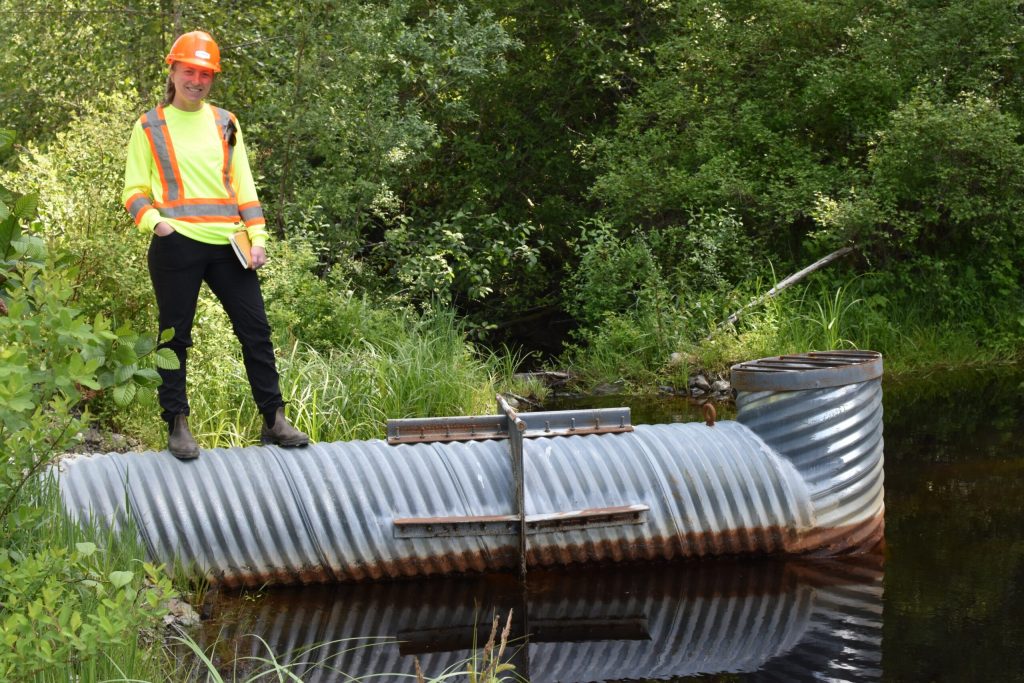
My second summer with Mosaic has been unreal! Recently, I’ve been writing a report on beaver berms. In this photo I’m standing on a ‘beaver buster’, an innovative way Mosaic works with beavers in the area to ensure habitat is maintained as well as road safety and quality. The regulator on the end ensures that no matter how strong of a dam the beaver builds, the integrity of the neighboring road will not waver due to an overflowing pond. When the water reaches a certain level, the buster diverts it safely through a culvert to the downside of the road.
Jr. Resource Technologist at Ministry of Forests in Fort St. John, BC
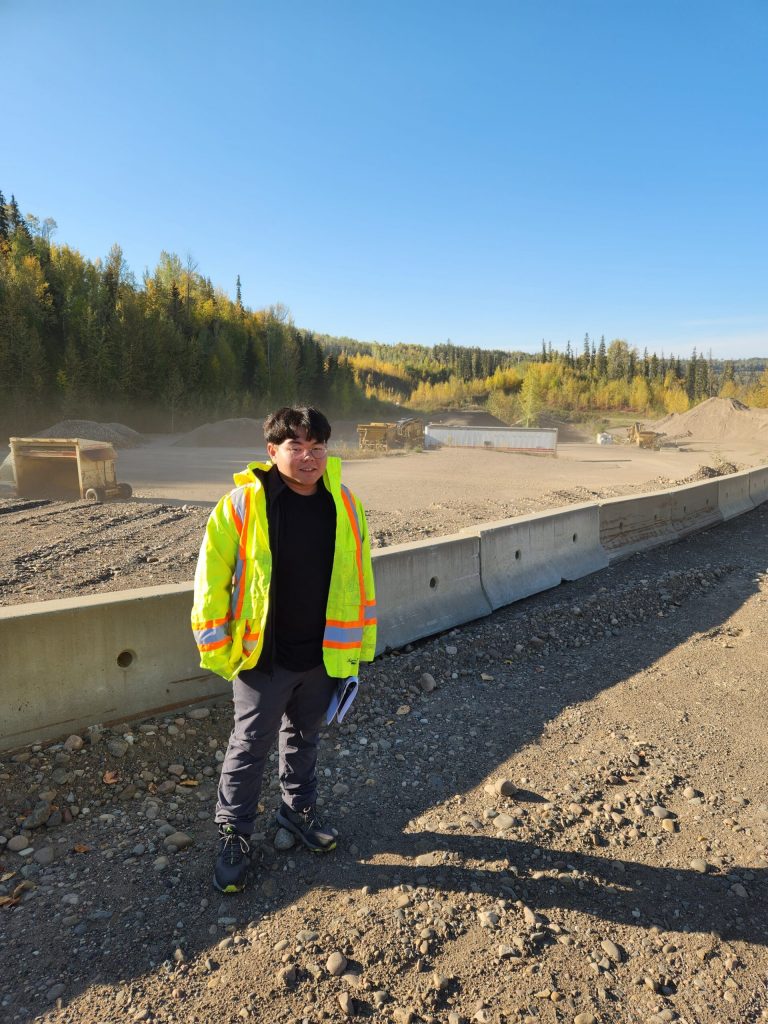
For my second work term, I am working in Northeast BC as part of the Crown Land Authorizations team of the BC Ministry of Forests. Much of the northeast region is associated with Treaty 8, which was signed in 1899 as a means to establish peace between the federal government and various First Nations. This job gives me the opportunities to understand land negotiations and reconcilliation efforts between the Treaty 8 First Nations and the Provincial Government.
My job typically revolves around looking into land tenure applications and writing land-use reports on them. Most information on parcels of land (including history) are accessible through the Tantalis internal database, or through physical files/digital folders. Land use-reports allow me to make recommendations to a decision maker based on the public interest, first nations concerns, economic, social and environmental factors, and conflicts with pre-existing land uses, among many other considerations. When I’m not working on those, I often help other departments with field work.
Forestry co-op has given me the chance to make personal relationships with the local First Nations and learn more about their culture. I’ve also gotten a better grasp of the processes behind applications and crown land sales or allocation. These are valuable opportunities I would not have gotten if not for the co-op program.
Marine Conservation Technician at Galiano Conservancy Association in Galiano Island, BC
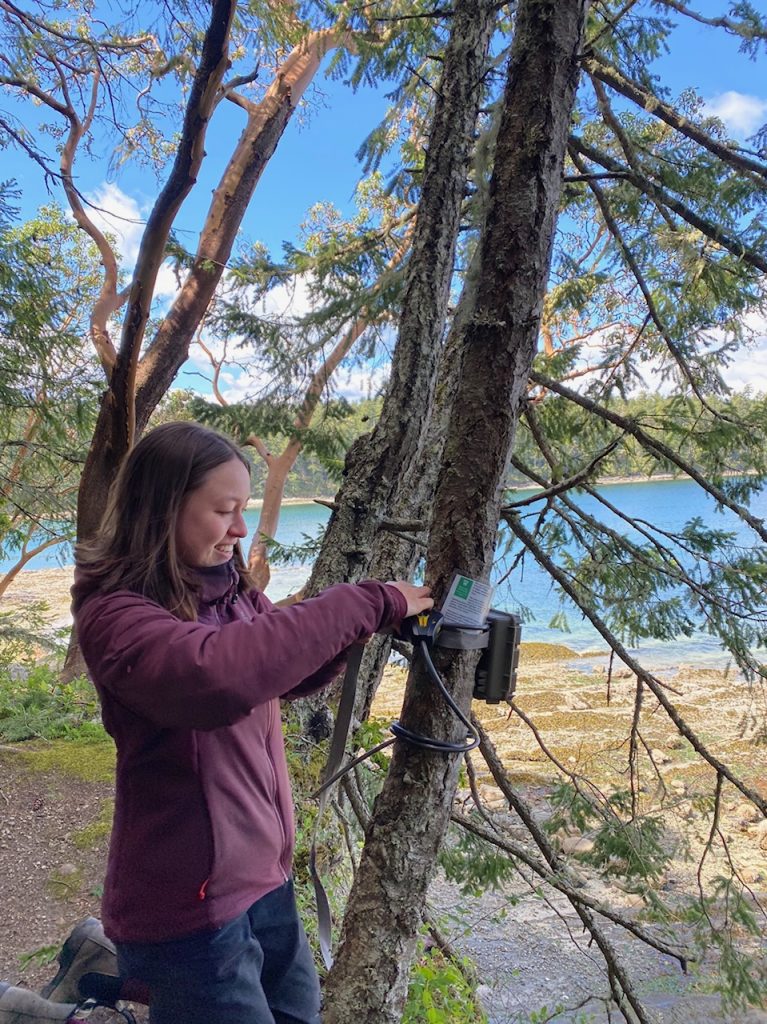
For my third co-op term, I have been working at the Galiano Conservancy Association on Galiano Island, BC, as their Marine Conservation Technician. As part of the ongoing Rockfish Conservation Project, I conduct monitoring for Rockfish Conservation Areas using shoreline trail cameras, conduct interviews with recreational fishers, and lead community education and engagement initiatives. In addition to rockfish conservation, I collect and manage marine invertebrate data from the Hakai Institue’s Sentinels of Change project, monitoring Dungeness crab populations. Come August, I will be leading and coordinating volunteers for a seaweed mapping project by sea kayak.
Like past co-op positions, I have been able to connect my studies to my work. This position has been extremely rewarding, as it has greatly connected to my coursework in Fisheries Conservation and Management at UBC Forestry & Environmental Stewardship. I have been able to build on skills including project management, organization, and communication, as well as gain new technical skills in both field and office settings. Co-op is amazing for expanding and diversifying work experience, all while connecting and enhancing your studies.
Trees and Shrubs Sales Associate at Sky Nursery in Shoreline, Washington
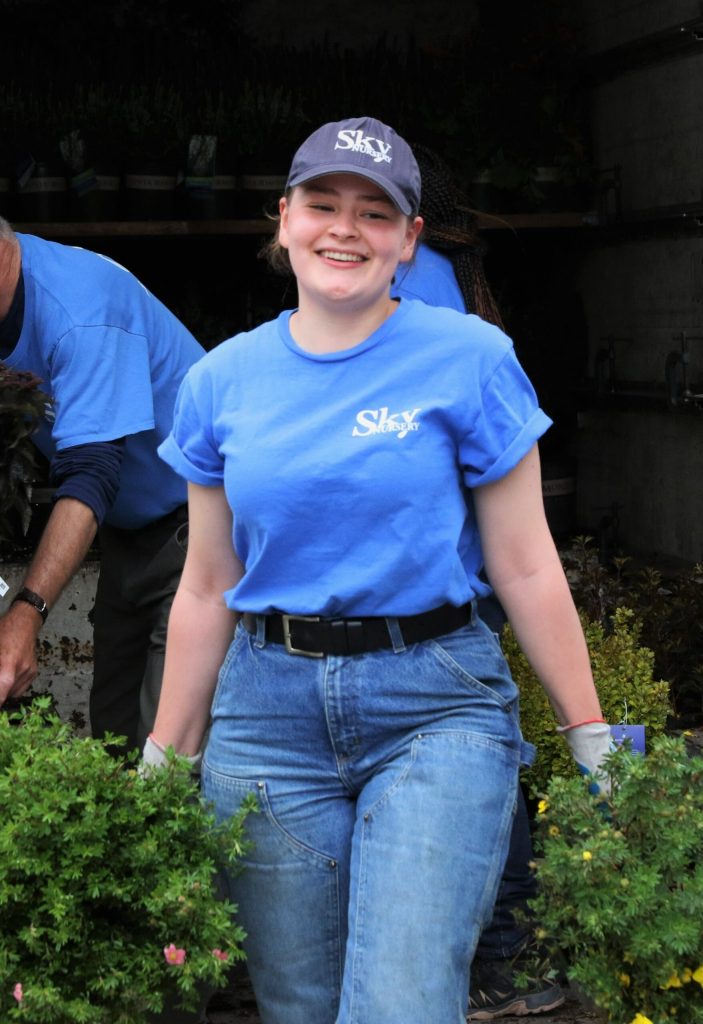
During this co-op term, I worked at Sky Nursery in Shoreline, Washington, in the Trees and Shrubs Department. My responsibilities as a staff member in the Trees and Shrubs department of Sky Nursery involve receiving, processing, maintaining, and answering any questions regarding all the plant inventory within the department. This includes processing plants as they are delivered, pricing, planting, pruning, watering, and organizing the plant material. Which can be upwards of 7,000 plants in the department at a time. In addition to these tasks, I answer customer questions, recommend plants, and care tips, and aid with the identification of plants and various plant problems. I answer customer questions both in person and over the phone. These questions could relate to anything from ideal plant-soil conditions, to plant diseases/treatments, to landscaping advice. I also write articles for Sky Nursery’s website and blog. The aim of these articles is to present useful horticulture information to the public in an accessible way. Sky Nursery prides itself not only on its garden supply but also on the knowledge of its employees. People often come to the nursery not just to purchase plants but also for advice on subjects such as plant care, identification, and disease. As an employee, it is expected of me to absorb and be able to educate on as much information regarding trees and shrubs as possible. This makes my employment the perfect opportunity to keep the knowledge I have gained in my forestry classes fresh and expand upon it. By handling plants, listening to my co-workers share their decades of experience, or, on rainy days reading from the nursery library, I feel like I am always learning. It’s very rewarding to implement the knowledge I have gained in my education while helping people make their plants and gardens thrive.