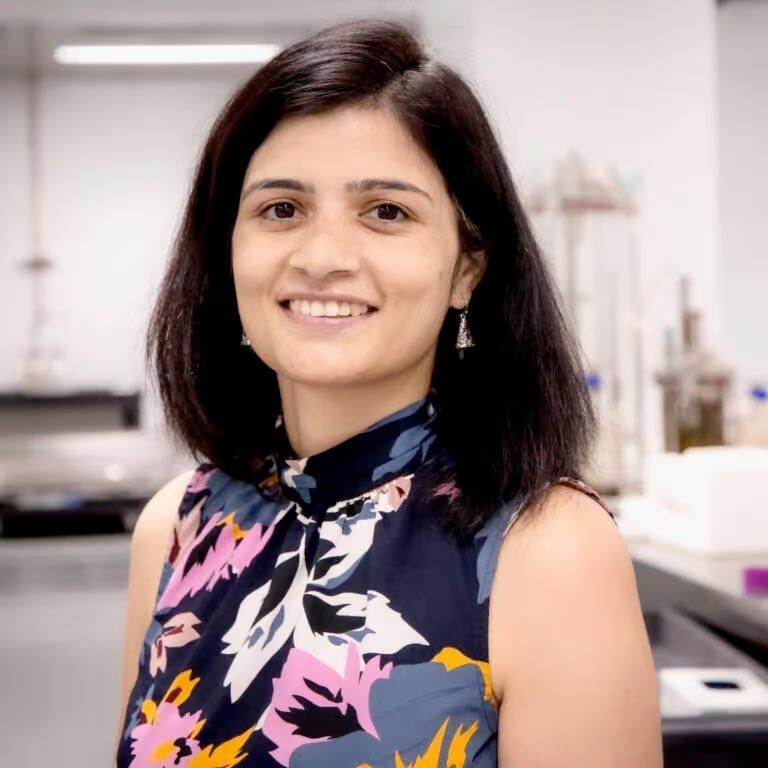
Jaya Joshi is an Assistant Professor in the Department of Wood Science at UBC. Her research focuses on improving the yield and nutritional values of crops, guided by the aim of successful implementation of carbon farming by 2050. Metabolic engineering of microbes with tailor-made catalysts that could convert biomass-derived feedstocks into fuels, valuable commodities, or pharmaceutical products will pave the way for sustainable chemistry.
Tell us about yourself!
I define myself as a synthetic biologist. I grew up in India, where I did my masters in plant biochemistry. Recently, I finished a postdoctoral fellowship with Dr. Andrew Hanson at the University of Florida. After that, I moved to Dr. Vincent Martin’s lab at the Centre for Structural and Functional Genomics in Montreal. During my time there, I explored the enormous power of bio foundries in the field of synthetic biology.
Throughout the last few years, I have worked with a number of different companies and organizations, including Agriculture and Agri Food Canada, to look at how to help people in terms of hunger and in respect to yield and nutrition. Thirty percent of the world’s food is going to waste, so I really focus on finding ways to reduce that percentage by looking into ways to use that waste efficiently.
What drew you to your work?
I was very interested in the climate change crisis and what’s happening with malnutrition. With people around the world dying with empty stomachs, I wanted to do what I could to contribute to saving the world. I have a three-year-old son and I worry about the world we are leaving behind, so I want to be a part of the solution which I felt like I could do here at UBC.
What attracted you to working at UBC?
People here in the Faculty of Forestry & Environmental Stewardship are very collaborative, everyone works together to think outside of the box. I’m looking forward to jumping in to be a part of the climate change solution along with my fellow faculty members. One of the biggest attractions for me was when I saw the crisis here in British Columbia in 2021. Seeing the floods and the forest fires, and the impacts of climate change on the food industry. I felt that this is the place where I can start and grow my theory of reduced waste and produce something out of it. I saw a good cluster here and they were looking for a synthetic biologist who can work on the biotechnology. They wanted to take forward is how to use the feedstock, so this was a perfect place for me to start.
In addition to your research, what are you looking forward to working on in the Faculty of Forestry & Environmental Stewardship?
I am very much an advocate of women in science, I want to create space for other women to come forward and say, I want to study science. I’m passionate and I’m happy that there are a lot of women scientists here, especially in this department. I come from a very small town of India, which were girls’ education was not a big deal. Working in STEM, there is still a stigma in a lot of countries, and I have seen it firsthand. My teaching will focus on developing a programming course, with women in mind. Programming is dominated by men, so this will offer platforms for women to learn in a more welcoming setting.
Junior Forestry Technician at Coastal Natural Resource Management Ltd. in North Vancouver, BC
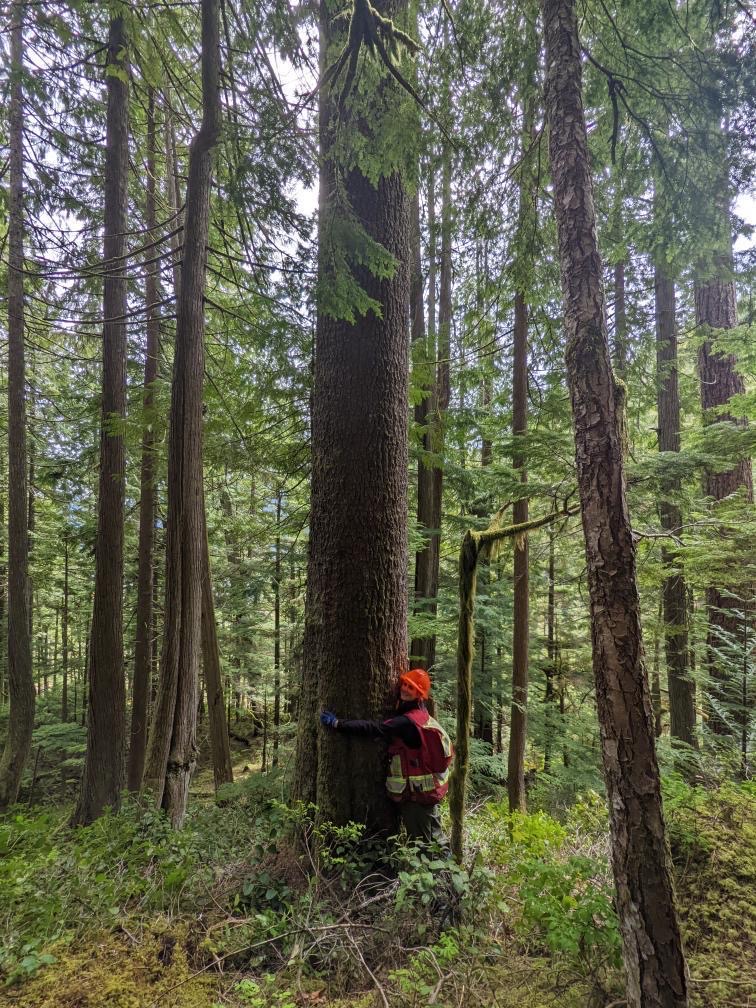
I currently work as a Junior Forestry Technician for Coastal Natural Resource Management. Coastal is a rapidly growing consulting company out of North Vancouver, with clients across the province. I am working on a forestry development project around Pitt Lake, BC. My primary day-to-day roles include timber reconnaissance, road development, forestry engineering, and cut block layout. It has been extremely memorable getting to work a forestry consulting job where I am able to travel across British Columbia and experience working in unique and beautiful landscapes. Forestry Co-op has helped me to set goals and learning objectives for myself which has helped hold me accountable for my career development and ongoing learning.
Field Services Technician at City of Burlington in Burlington, ON
During my first co-op term, I have been working as a Field Services Technician with the City of Burlington, which is located on the northwestern end of Lake Ontario in Ontario, Canada.
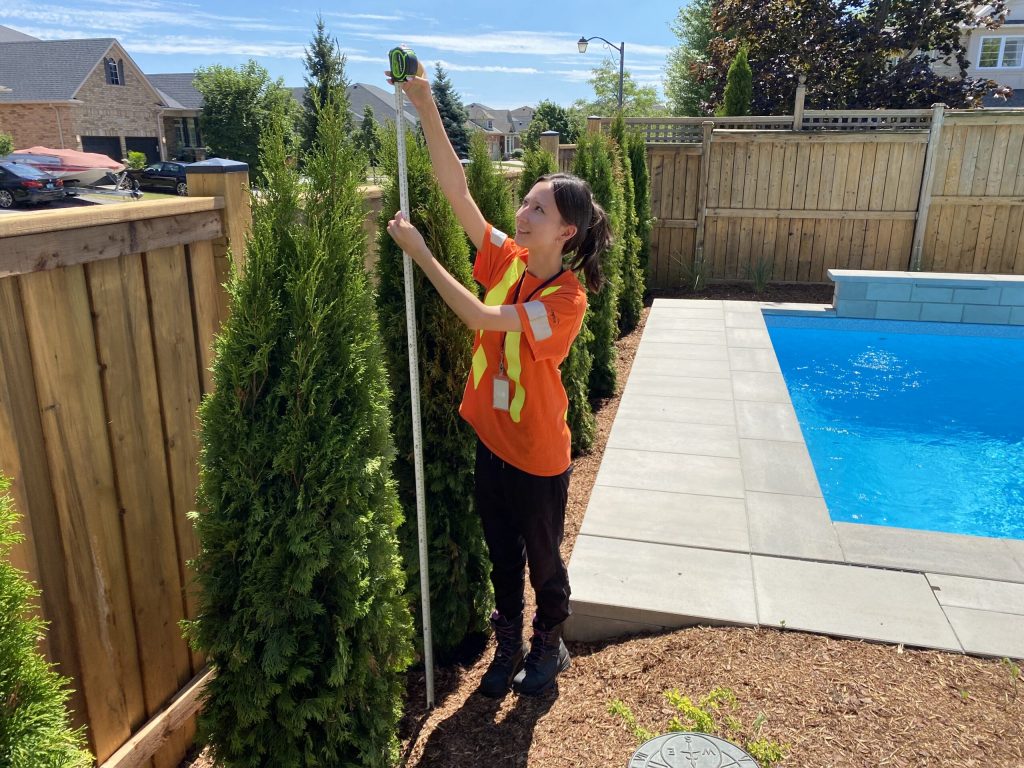
My main work term project is to inspect replacement trees, which are required for tree permit holders to plant as part of the permit condition to remove or injure trees that are not exempt. I communicate with landowners who are required to plant the replacement trees and inspect the replanted trees or provide them an extension with a fee as the permit will expire in one year. The main purpose of the inspections was to ensure the replacement tree requirements, which include tree size, species, location, and condition, are met. Another task I am assigned to is to intake tree permit applications so they are available for the forest protection officers to review. This includes communicating with applicants to attain the required information and documentation and answering inquiries related to the permit process. During this work term, I have gained valuable experience and knowledge in municipal urban forestry, about the by-laws, and dealing with the permit process and how different departments other than forestry are also involved. I have enjoyed learning how the forest protection department is involved in diverse permit processes to ensure they can protect significant trees and maintain and even increase the urban tree canopy in the long term, and I hope I can carry on what I have learned and apply it in my future career to make an impact by protecting and enhancing the urban forests.
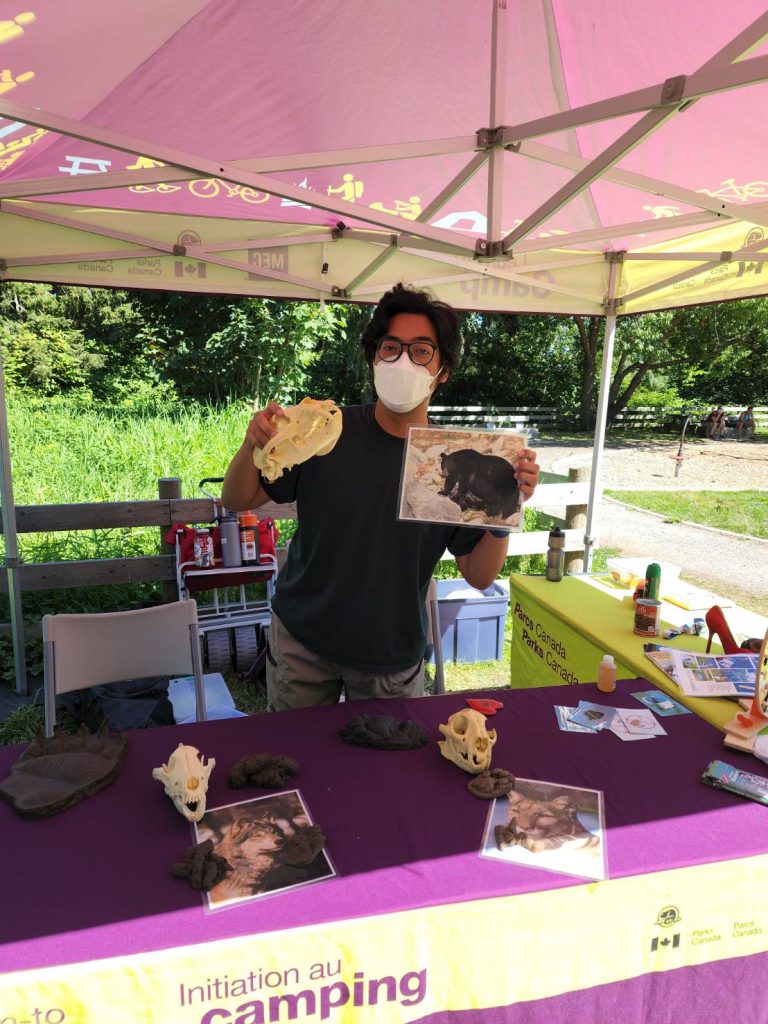
Being a part of Parks Canada’s Learn-to Camp Public Outreach and Education team is such an eye-opening experience, as I was able to get hands-on experience in interacting with the public and applying conservation through communication. Through Learn-to Camp, I was able to inform the public regarding outdoor safety and preparation, creating a safer and more informed community, one person at a time. Our overnight programs allow even the most inexperienced campers to immerse themselves in the world of camping, in a safe and informative way. This experience allowed me to meet and interact with people of various backgrounds, shaping me into a more adaptive, inclusive, and open-minded individual.
Forest Technician at Forsite Consultants in Salmon Arm, BC
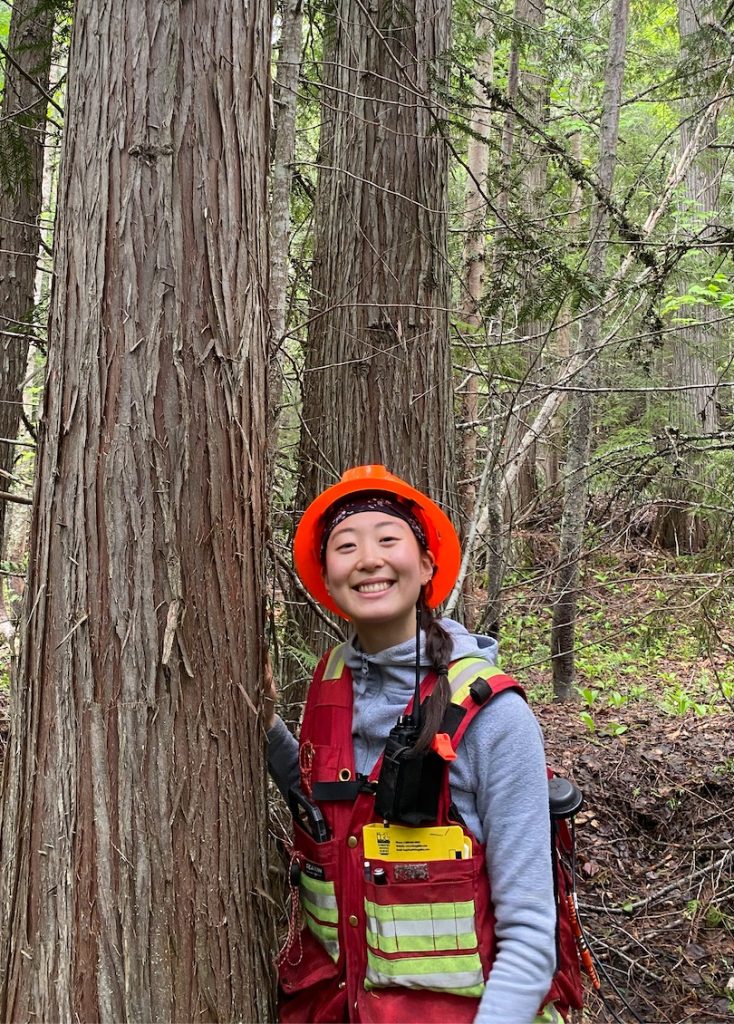
This summer, I to have had the pleaure to work as a Forest Technician with Forsite Consultants Ltd. for my third co-op term. Through this position, I was responsible for providing technical support to project teams in all aspects of multiphase timber development. This involved conducting timber reconnaissance, field engineering, providing riparian and ecological assessments, prescribing culverts, layout planning, timber cruising, and GPS traversing. Working as a field technician allowed me to utilize my knowledge in forest ecology, soil science, and stream surveying to assess the quality of pre-harvest blocks and engineer post-harvest effects.
I have gained key skills in navigating through the forest, working outside in all types of weather and challenging terrain, maintaining a safety conscious mind, collecting accurate data, and being resourceful with the tools and knowledge I have. This opportunity has taught me valuable knowledge on forest management and operations which has sparked a newfound perspective and appreciation for our timber industry. I am so grateful for the academic, professional, and personal growth I have gained from this work term, as well as all the mentors and friends I have made along the way!
The Faculty of Forestry & Environmental Stewardship would like to congratulate Dr. Ingrid Jarvis for winning the Best Dissertation Award and Ms. Marina Melanidis for winning the Best Master’s Thesis Award.
Best Master’s Thesis Award Recipient
Marina Melanidis
Ms. Marina Melanidis is a climate justice activist and has led youth delegations at conferences such as COP 25 and 26. Her research has focused on how to manage for climate change and biodiversity loss with holistic, nature-based approaches. Melanidis’ MSc thesis is entitled Big ideas with big potential impacts: narratives and perceptions of nature-based solutions across scales of governance. To learn more, read her thesis here.
Best Doctoral Dissertation Award Recipient
Dr. Ingrid Jarvis
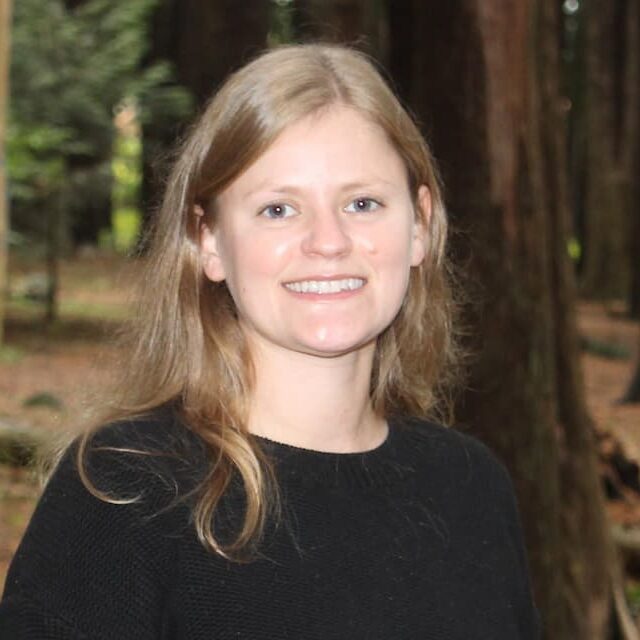
Dr. Ingrid Jarvis’ research focuses on the connection between urban natural environments and human health and wellbeing. Her work has also looked specifically at the effect of urban greenspaces on childhood development. “Few studies have investigated this pathway linking greenspace and developmental outcomes among children,” explained Jarvis. Her dissertation is entitled Understanding the human health benefits of urban green space across the life course by integrating epidemiological and novel geospatial approaches. To learn more, read her dissertation here.
Congratulations to all 3 Master’s and 5 Ph.D. students who were nominated for the Faculty of Forestry & Environmental Stewardship Best Dissertation and Thesis Awards. All nominations showcased exceptional quality and impactful research implications.
Summer Camp Leader at Vancouver Botanical Gardens Association in Vancouver, BC
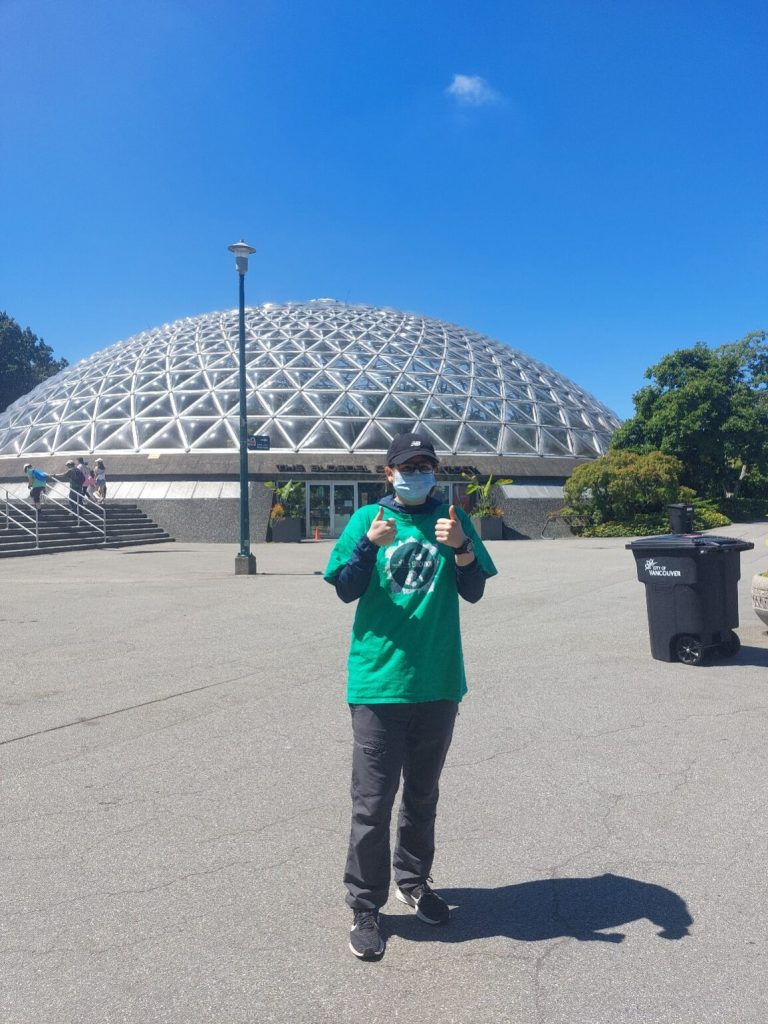
Since July, I have been working as a camp instructor at VanDusen Gardens. VanDusen nature camps offer a unique blend of activities that incorporate science, exploration and skill building. My work has been highly rewarding so far because of the impact I have had on campers aged 5-10 years old. I have been able to use my knowledge from my courses to teach campers. For instance, using a flower model to discuss the reproductive parts of a flower and the role of pollination, discussing the cultural and/or historical importance of certain plant species during garden walks, key characteristics to watch for when identifying plant species, and the importance of biodiversity. I have learned several valuable lessons including the importance of recognizing the various learning styles of campers and offering a blend of activities. I believe UBC undergraduate students should consider joining co-op because it prepares you for life after graduation. You will gain work experience in various fields that is attractive to employers.
Overnight Camp Supervisor at Catching the Spirit Youth Society in Burnaby, BC
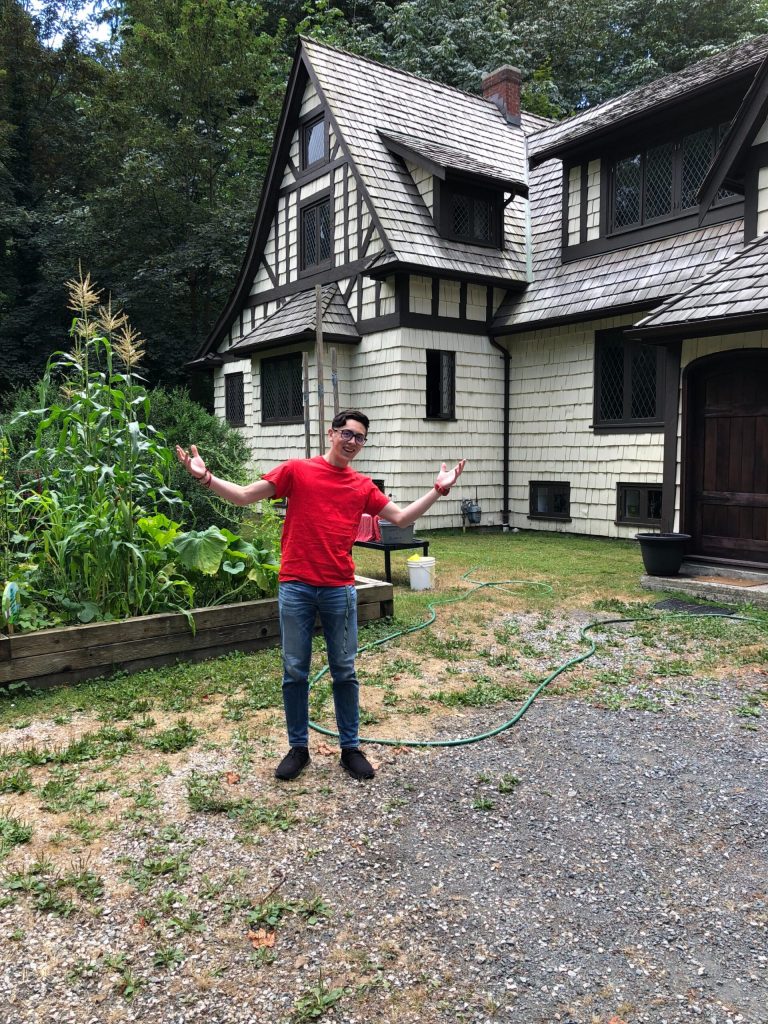
This summer, I am working as a Camp Supervisor with CTS Youth Society, a non-profit summer camp that runs weekend overnight camps and weekday day camps in parks throughout the Vancouver area for youth 12-18.
At the beginning of the term, I worked with the other supervisors to prep supplies for camp, help train the leaders, and work with the CTS’ partners to prepare for camps.
Once July and August hit, my focus shifted to running camps. At camp, my partner and I act as the adults on site, maintaining the safety of the group, and facilitating activities, but also as mentors to the Peer Leaders (youth 15-18), who plan and run many of the activities at camp.
I have learned a lot about the background work and consideration that goes into running a program in a non-profit organization. As well, I have developed my skills in maintaining relationships with partners, communicating with clients (parents) in a friendly and professional manner, and program facilitation and mentorship!
I’ve also had the opportunity to share some of what we are learning in our Forestry classes at camp. Topics such as, ecology, plant ID, and the ecological and social impacts of our infrastructure (i.e. dams). It has been super rewarding to share these fun, interesting, and important topics with youth and hopefully inspire them to more aware and to care about nature, each other, and the world around us!
I joined co-op to learn about and experience the variety of career opportunities available as a forestry student. I am thankful for these opportunities and think jobs like this help to show the variety of jobs that are available!