Wildlife Biologist at BC Ministry of Lands, Water and Resource Stewardship in Surrey, BC
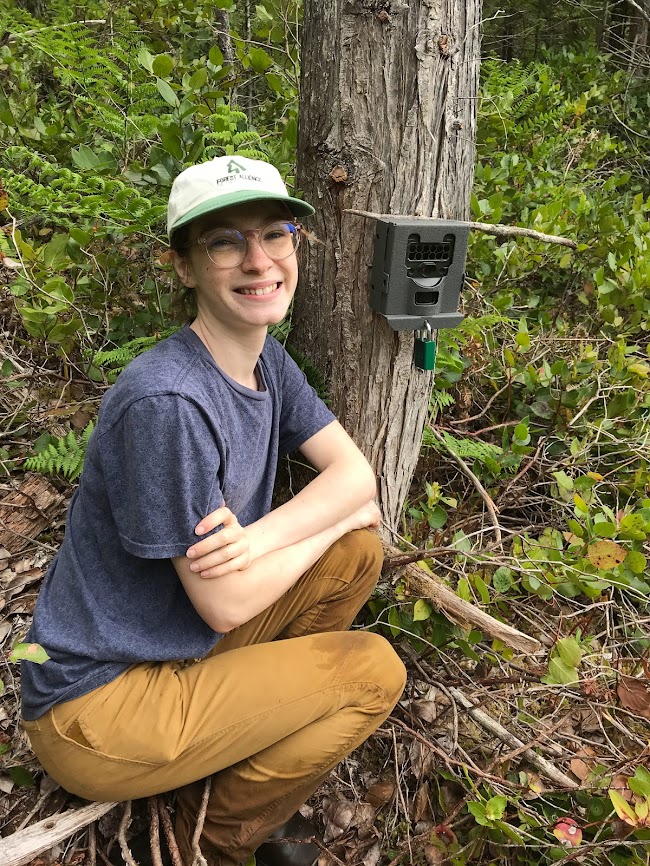
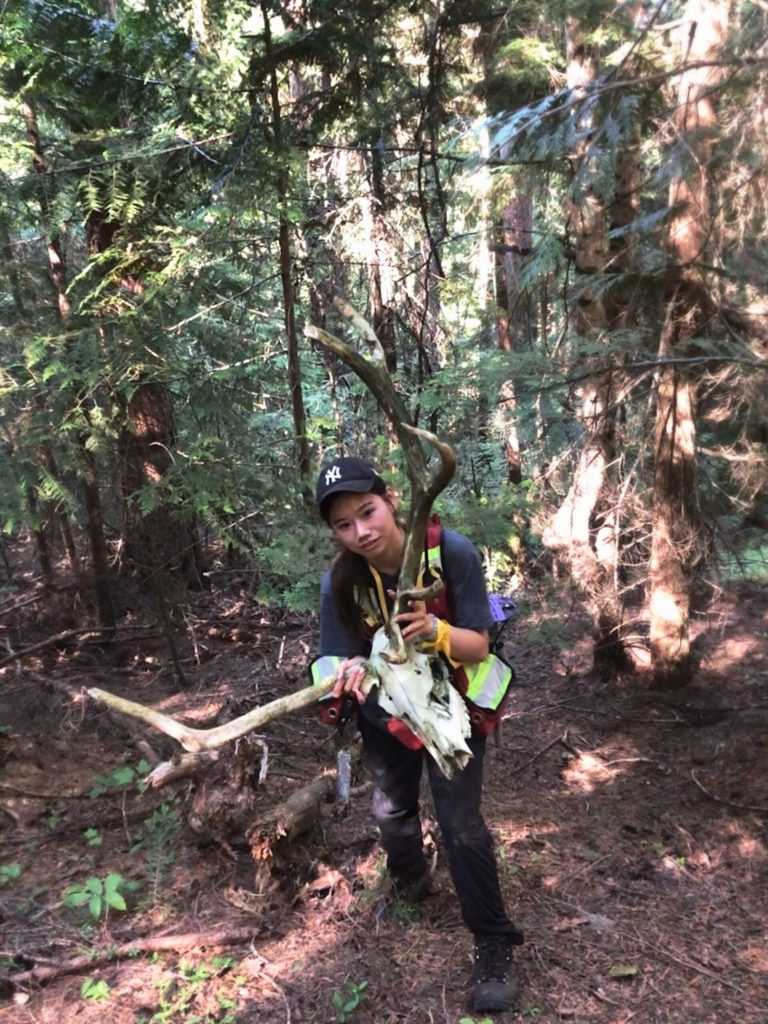
This term, I have had the pleasure and challenge of planning and leading my first camera servicing field trip for my project on the Sechelt Peninsula. We have over 50 cameras spread out around the peninsula– some only accessible by helicopter. This particular camera was at the edge of a marsh, so we had to jump out of a running helicopter into knee-deep water! It’s been amazing to see the incredible wildlife captured on these cameras and I am excited to see what is revealed in the newly collected data.
Undergraduate Research Assistant at Natural Sciences and Engineering Research Council of Canada in Vancouver, BC
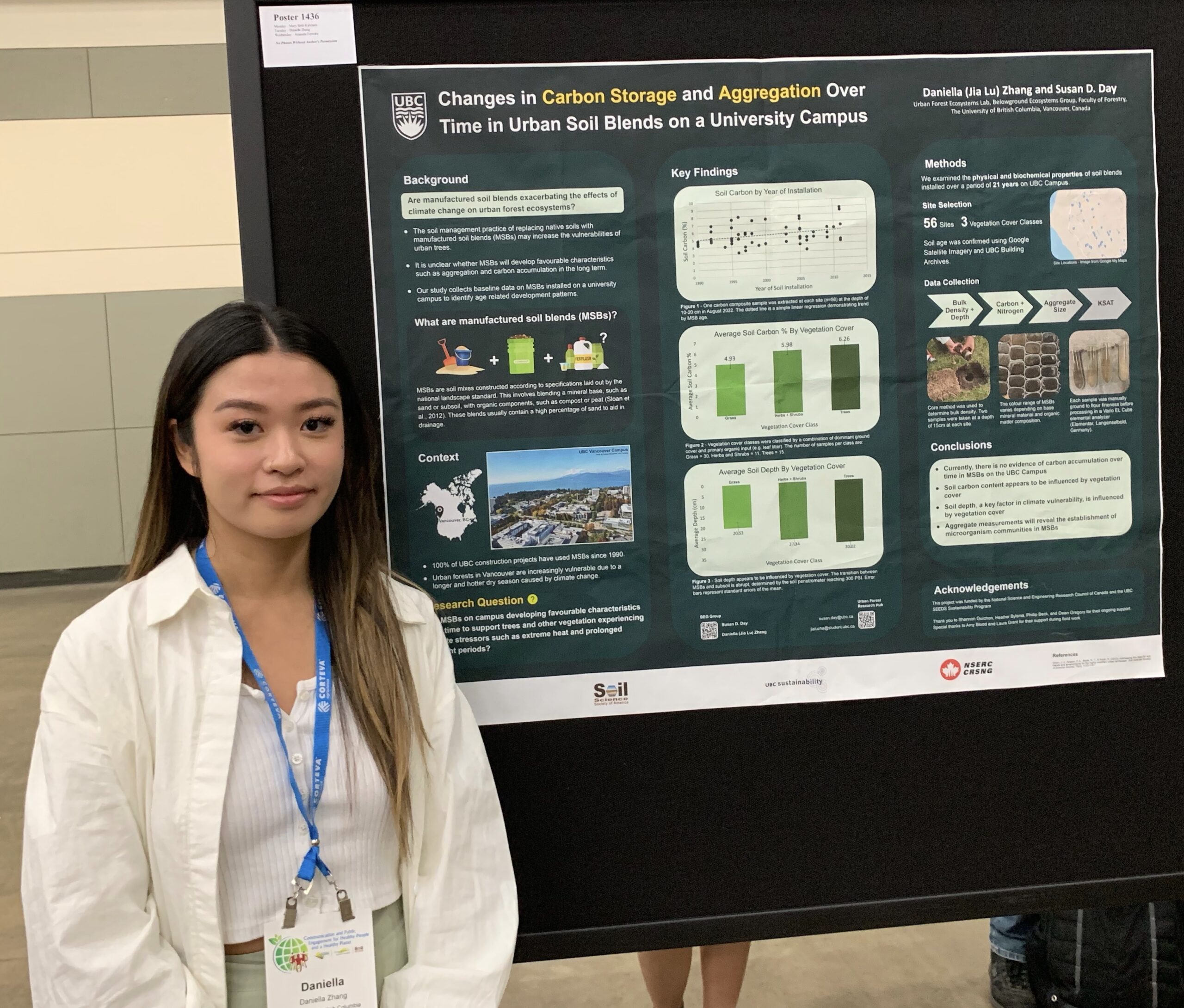
For my second co-op term, I worked as a research assistant for Dr. Susan Day at the Urban Forest Ecosystems Lab here at the Faculty of Forestry & Environmental Stewardship. Dr. Day and I co-designed an observational study to investigate age-related soil development patterns across 56 sites on campus. The aim of the project is to understand the effects of widely used manufactured soil blends on vegetation health and to provide a practical baseline dataset for landscape managers.
Throughout this project, I was fortunate enough to be involved in every step of the applied research process. This includes writing research proposals, selecting sites, collecting and processing soil samples, presenting results, and supporting other graduate students in their research. I also had the opportunity to present my research poster at a soil science research conference in Baltimore, MD. I think my favorite part of this job was collaborating with other campus stakeholders to produce practical and sustainable soil management strategies. As this project is ongoing, the results will be shared with other researchers and the greater campus community to ensure our urban trees are resilient against climate stressors. I am incredibly grateful for all the research skills that I gained, and I am looking forward to continuing my research career.
Thank you UBC Co-op and Dr. Susan Day for this wonderful opportunity! I would also like to acknowledge the funding support from the Natural Sciences and Engineering Research Council of Canada and the UBC SEEDs Sustainability Program.
The Wild and Immersive program at Malcolm Knapp Research Forest (MKRF) has been given the 2023 Maple Ridge Stewardship of a Community Cultural Asset Award.
This award recognizes a group who conserves a physical area, practices, expressions, knowledge and/or skills to advance the appreciation and understanding of a community cultural asset.
Liz Smith, the Business Improvement Coordinator at MKRF, said that the award recognizes the ongoing work of the Wild and Immersive team.
“We are so grateful to our community and the families and participants who come to our programs each year,” she said. “We wouldn’t be able to run this program without them, and this award acknowledges that what we provide to this community is important and valued.”
Wild & Immersive runs educational programming for youth out of the UBC Malcolm Knapp Research Forest, with a goal to teach the importance of our local ecosystems and diverse ecology and planting the seed of environmental curiosity.
Wild & Immersive was created in 2017 to increase knowledge and environmental educational experiences to members of the community. Current programs include Forest School, day camps, overnight camps, field trips, retreats, and special events.
“We believe that hands-on activities and outdoor recreation creates understanding and lifelong connection to the natural world,” Smith said. “The future health of our planet depends on managing our relationship with nature. Through delivering programs that educate and engage, we ensure the youth of today will play leading roles in designing their tomorrow.”
Black History Month serves as a time to honor and celebrate the accomplishments of Black students, staff, and faculty within our UBC Forestry & Environmental Stewardship community. While we should celebrate these achievements everyday, we hope to offer this time as an opportunity for focused and intentional reflection. This year, we are grateful to share with you four stories of some of our amazing Forestry students and alumni.
Dr. Washington Gapare (PhD’03)
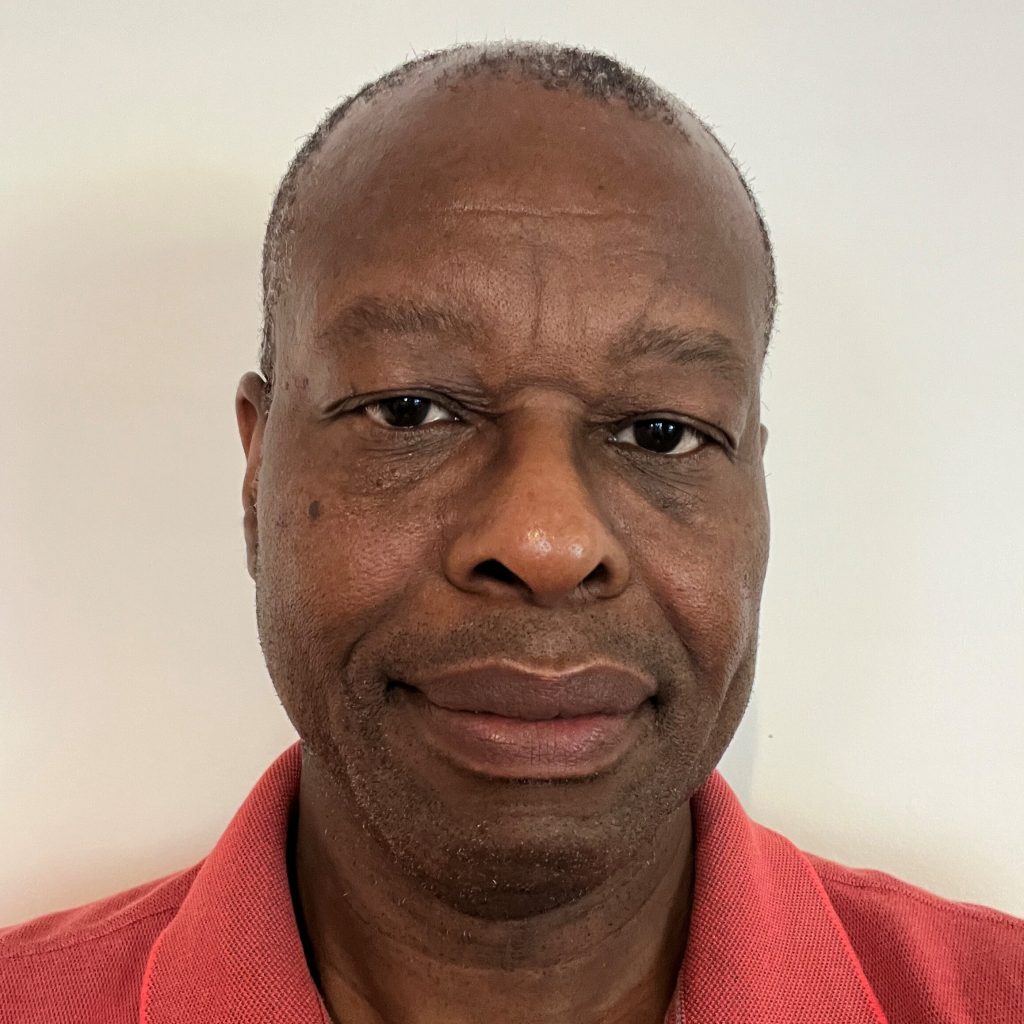
“Born in Zimbabwe, I attended UBC from 2000 to 2003 in Aitken Lab and obtained a PhD in Forest Genetics. My PhD work focused on genetic diversity and population structure on widespread species and the implications for gene conservation. I used Sitka spruce as the model organism.
I still have fond memories of my lab “family” for their friendship and support. The lab “family” included both Aitken Lab and Ritland Lab students. As students, we created a home far away from home and were always there for each other. On completion of my PhD studies and moving Australia in 2004, I soon realised that “After climbing a great hill, one only finds that there are many more hills to climb.” This quote is attributed to Former President of South Africa, the late Nelson Mandela.
The doctoral studies at UBC provided me an opportunity to get the depth and breadth in Populations Genetics. I then coupled that knowledge with my Bachelor of Science degree in Forest Management gained at Aberdeen University, Scotland, Master of Science degree at North Carolina State University, USA to gain employment with the Commonwealth Scientific and Industrial Research Organisation (CSIRO), in Australia. I have always considered myself a global citizen.
I worked for CSIRO for 17 years. Major areas of research included integrating modern quantitative genetics and population genetics to applied breeding programs for optimizing genetic gain, diversity, and sustainability. These applications focused on trees, cotton, wheat, and salmon fish.
I currently work for Grains Research and Development Corporation (GRDC) (https://grdc.com.au/) as a Research Data Manager. This is a new post that was created in 2021 and I have spent the past two years building up systems, mechanisms, and guidelines for researchers to manage RD&E data effectively. GRDC’s purpose is to invest in Research, Development and Extension (RD&E) to create enduring profitability for Australian grain growers. I ensure that data from GRDC projects are FAIR (i.e., Findable, Accessible, Interoperable, and Reusable). Such efforts accelerate research outcomes, avoid duplication of efforts to generate data, enable new insights and greater value to be derived from the data.”
Dr. Alesia Ofori (MSFM’16)
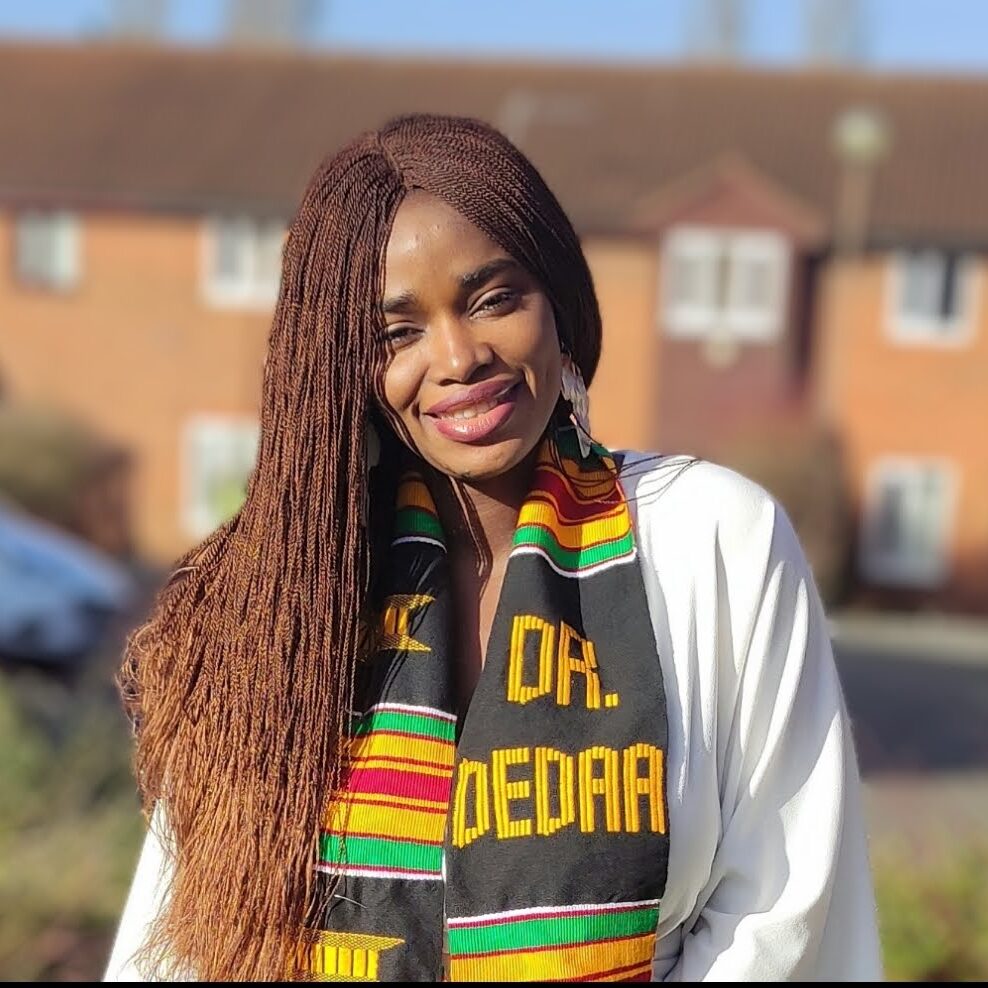
“Dr. Alesia Ofori is a Research Fellow in Water and Sanitation Governance at the School of Politics and International Studies at the University of Leeds. Her research is broadly in the politics and anthropology of resource governance and development in sub-Saharan Africa, focusing on the extractive industry, water, sanitation, and agriculture.
She holds a PhD in International Development from the University of Leeds. She completed a Master of Sustainable Forest Management (MSFM) in 2016 and is also an alumnus of the UBC MasterCard Foundation Scholar Program. Celebrating BHM, her word to Black students is to own their space and POWER. “Let no one invalidate your thoughts, aspirations, and dreams. Be in charge of your might!”
Dr. Stella Acquah (PhD’22)
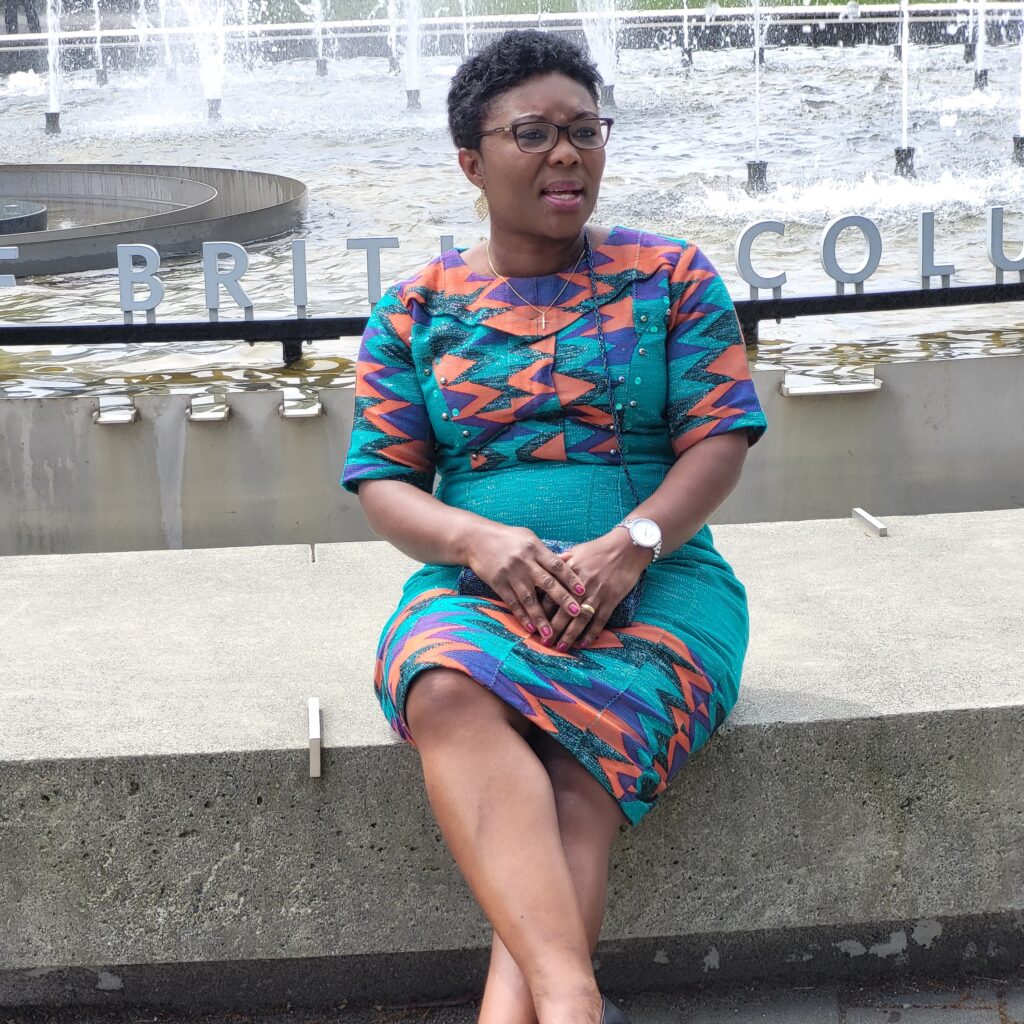
“I am Stella Britwum Acquah, and a Ghanaian. I obtained a Ph.D. in Forestry in 2022 at the University of British Columbia (UBC) with support from the International Doctoral Fellowship Award from the University. In 2020 I was privileged to receive the Paul Heller Memorial Fellowship in Forestry. After graduation, I returned to Ghana to work with the Council for Scientific and Industrial Research-Forestry Research Institute of Ghana (CSIR-FORIG) as Senior Research Scientist. My research team is currently working on assessing deforestation and forest degradation in Community Resource Management Areas (CREMAs) in the Northern Savannah Zone of Ghana. The research aims at enhancing forest carbon stocks by restoring forest cover through local community intervention. The African community at UBC added flavour to the beautiful life on the Vancouver campus. We were the epitome of diversity, with different hopes, cultures, dreams, aspirations and yearnings. This made life rather interesting and uncomplicated, especially for those who wanted to see the world from different perspectives. I highly recommend UBC to African students seeking a well-balanced academic environment.”
Solène François (BUF’25)
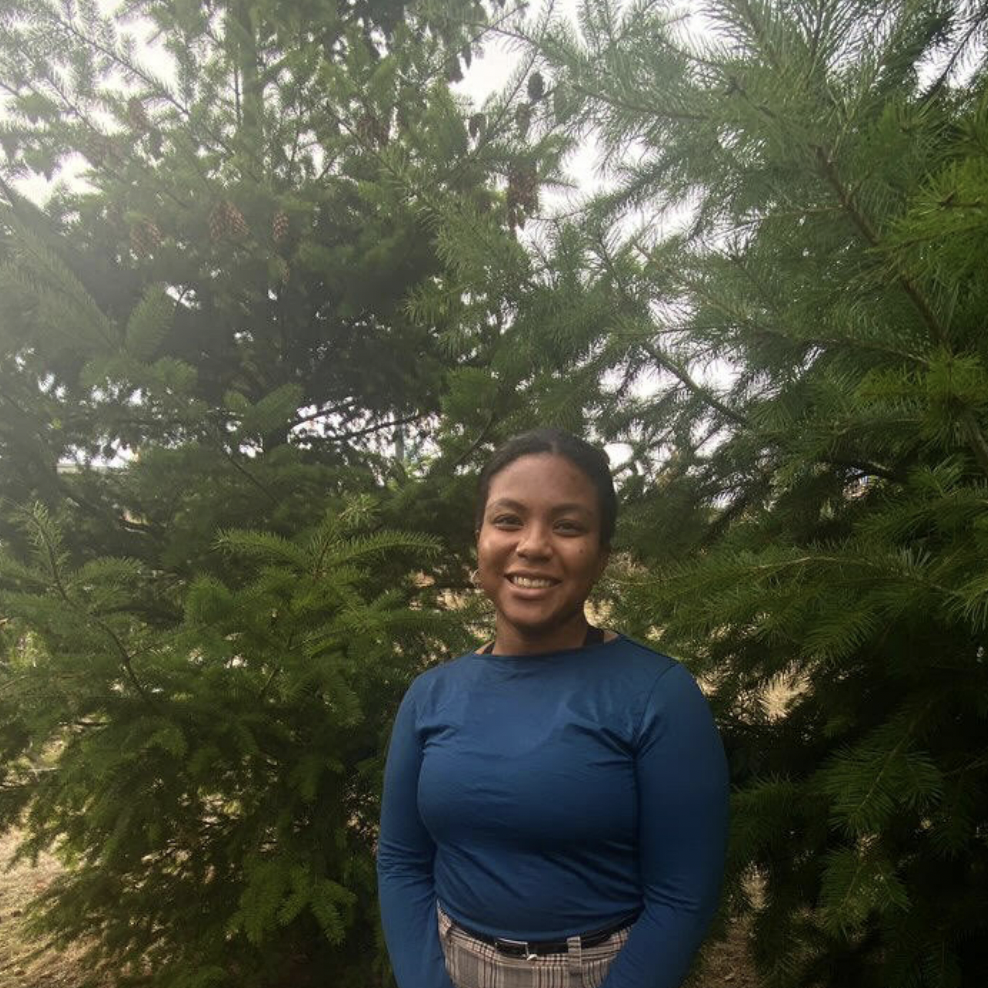
“My name is Solène François, and I’m in my second year of the Urban Forestry program in the Faculty of Forestry & Environmental Stewardship. I was born in the twin island Republic of Trinidad and Tobago, located in the Caribbean. I moved to Canada when I was 14 years old. After moving to Canada, I became interested in sustainability, urban forest biodiversity, and climate change adaptation strategies, especially in urban settings. While global temperatures rise and more people migrate into urban areas, sustainable city planning and green infrastructure/ spaces must be implemented to create climate-resilient cities. The program of Urban Forestry is a relatively new field of study. It has challenges with recognition in the work world and acceptance of its importance in the wider society. As a Black woman, these challenges can be even more pronounced. Pursuing a degree in the Faculty of Forestry & Environmental Stewardship can be a lonely journey for a black student like myself when I am the only black student in most classes. Students of other ethnic groups have a community and form bonds which support them throughout their degree process. This isolation makes the university experience ten times more challenging, as there are few black role models in this field to look up to. Despite these challenges, I recognize that as one of the few black people in Forestry, I have a responsibility to help pave the path for other black students to follow. I hope that through my efforts, there will be a greater representation of the African Diaspora in the Faculty of Forestry & Environmental Stewardship. Black History Month celebrates the struggles and achievements of the black people who came before. As the pioneering member of the Black in Forestry Initiative, we are creating black history here at UBC.”
Green Keeper at University Golf Club in Vancouver, BC
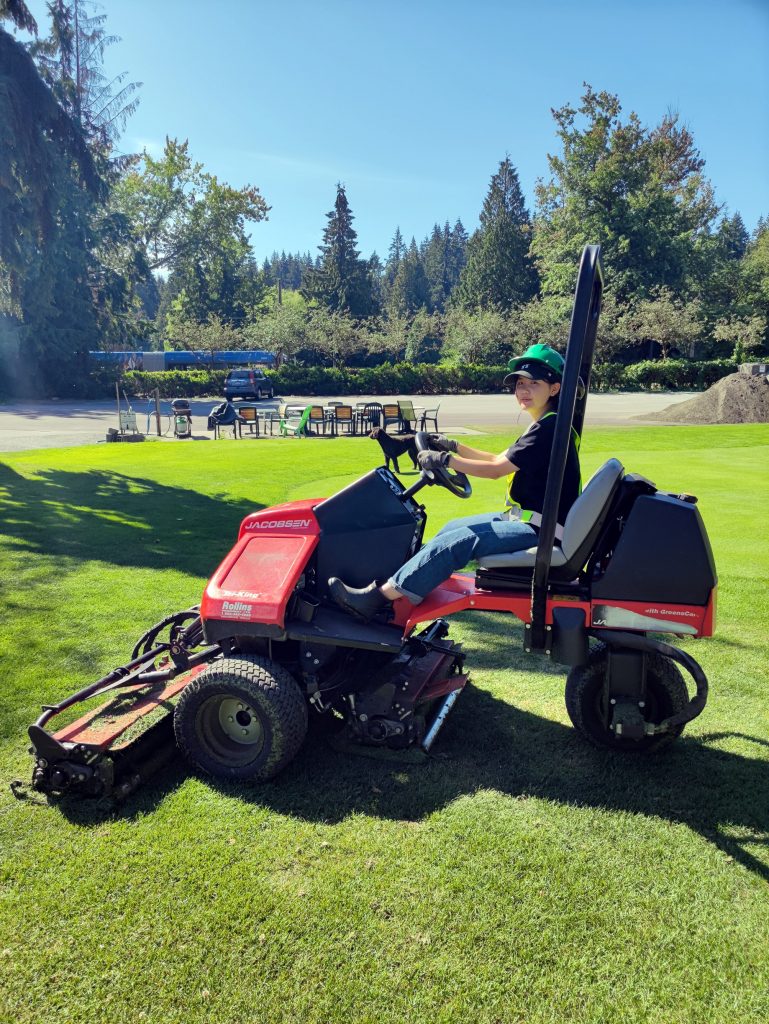
This summer I worked as a greenkeeper in the maintenance department of the University Golf Club. My duties focused on mowing different lawn areas, raking bunkers, gardening, divot repair, irrigation repair, and so on. I learned to operate mowing machines and tools to keep the green space neat and up to golf course standards and learned to use gardening tools to support the gardens around the course beautifully manicured. During the three months of work, I gained an in-depth understanding of the management standards for scientific maintenance of golf courses and experienced the physical and mental pleasure that green spaces bring to people.
Tree Planter at J.D. Irving Ltd. in Edmundston, NB
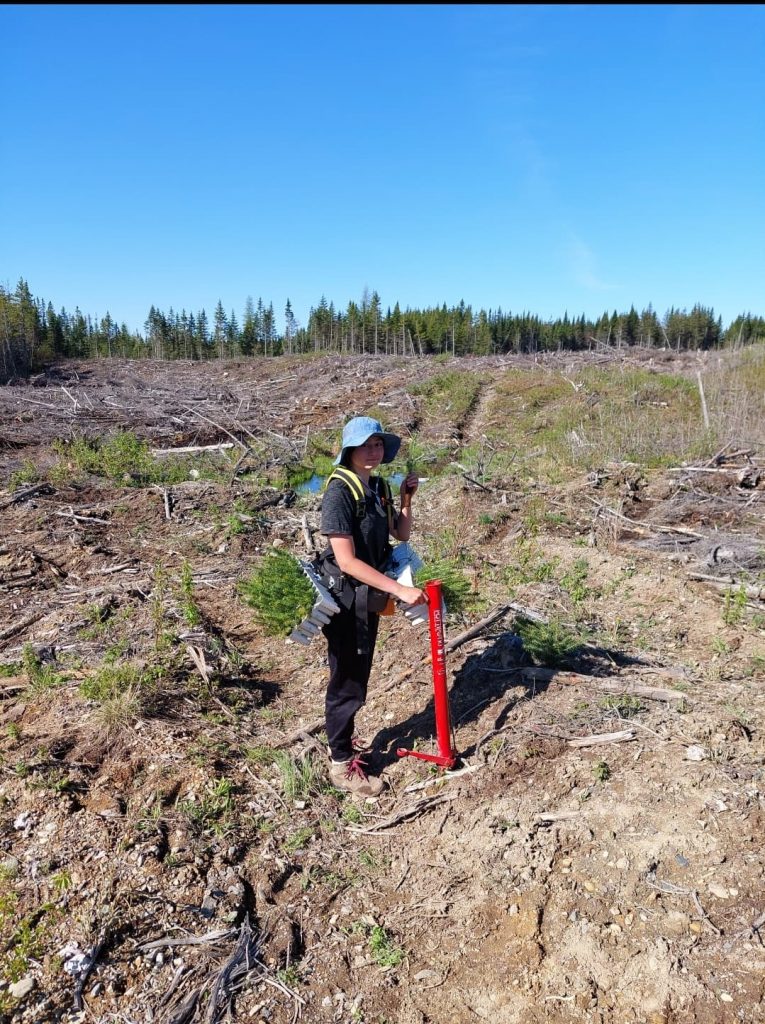
For my first co-op term, I worked as a Tree Planter in northern New Brunswick. Having grown up in Vancouver, being tossed into the woods forty-five minutes away from the nearest town was a bit of a shock—but a little venture into my new backyard had me falling in love. The air was fresh and sweet, lichen blanketed the trees, and the last of May’s snow was imprinted with moose and deer tracks. And not to mention the photos I got!
The beginning of planting was especially rough. The sun was scorching and the flies were hungry, and so much of my body ached. But it taught me to persevere and I came out stronger both mentally and physically, which I’ve carried with me back home.
After the season’s end, I got to shadow a wildlife biologist and a forest operator for a couple of days. I got real-life tours of genetic trial plantations, rare plants, and silvicultural planning on top of great conversation and story-telling. Co-op is a great way to pull your nose out of a book and spark passion in an actual forest, with actual trees, before they’re turned into your hefty BIOL 112 textbook; so, when you do go back to studying, you have a newfound appreciation for your education.
Junior Forestry Technician at Atlas Information Management in Balfour, BC
Processed with Rookie Cam
This summer I was in Kootenay Area, have been working as a Junior Forestry Technician for Atlas Information Management. This is my first co-op work term. I am glad that I have this opportunity to get a real insight into the forestry industry.
I was focused on pre-harvest development which provides business for our client BC Timber Sales. The work includes but is not limited to field data collection and uploading, riparian assessments, old growth verification, using GPS equipment to traverse, and so on. This field information is supporting the planning, design, and management of natural resources.
In my opinion, this is a great method to introduce students to the field. Applying academic knowledge to real-world situations is usually beneficial. It also gives students who haven’t spent much time outdoors a chance to decide early on if forestry is the right field for them.
Urban Outreach Team Member at Parks Canada in Vancouver, BC
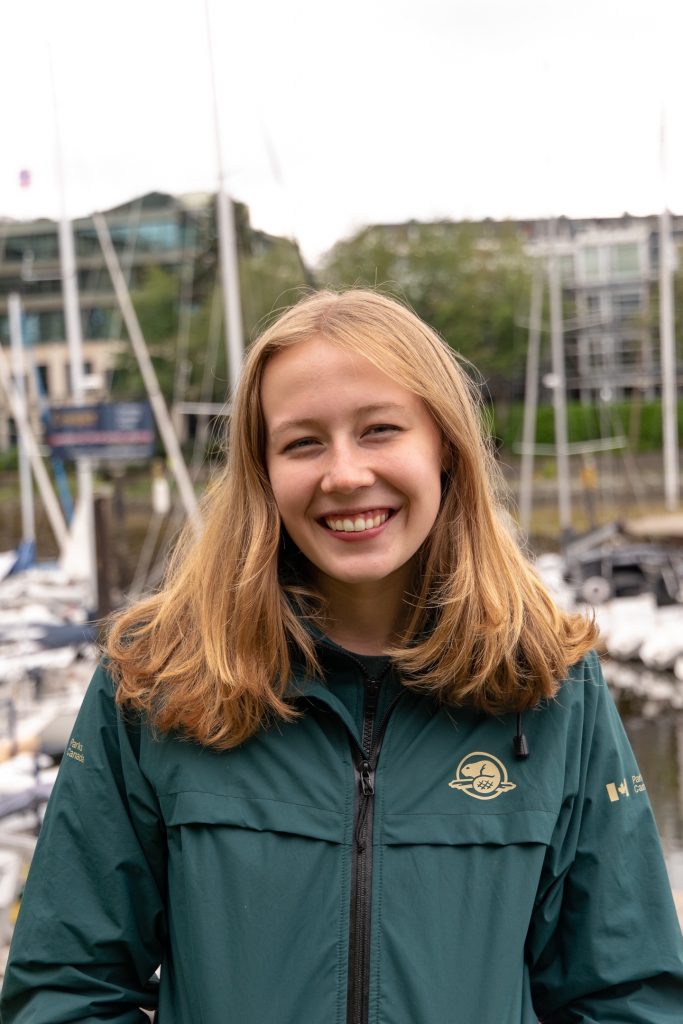
I have been working for the Parks Canada Agency this summer as a Public Outreach and Education Team member, focused on educating members on the public on different topics such as species at risk, wildlife safety, and connectivity with nature. I have gained many skills throughout this position such as dialogic interpretation, leadership and organization. I have also developed my strengths in problem solving, communication and teamwork during this position because of the nature of working in a small team and talking to members of the public. Co-op has allowed me to expand my professionalism and networking and having the experience provided throughout the work terms will help me with career path later down the line.
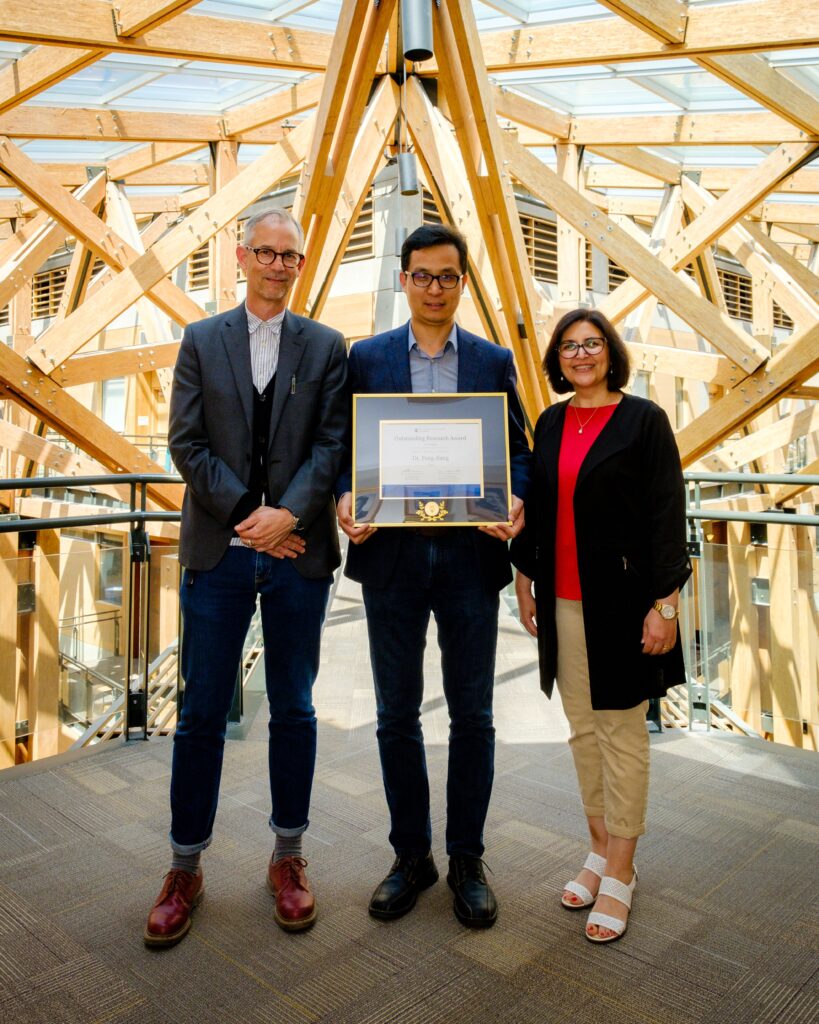
Dean Rob Kozak, Dr. Feng Jiang, and Dr. Taraneh Sowlati
UBC Forestry & Environmental Stewardship wishes to congratulate Dr. Feng Jiang, Assistant Professor in the Department of Wood Science, for winning the Faculty’s Research Award.
Feng’s Research
Dr. Feng Jiang’s research focuses on valorizing undervalued forest biomass and promoting bioeconomy. By using advanced chemistry and nanotechnology, his research has advanced the renewable and sustainable materials development by creating a broad portfolio of bio-based products including textile fibres, packaging films, hydrogel, and foam, showing broad application potentials for sustainable packaging, insulation, health monitoring, and structural components. Feng’s high impact and innovative research on using cellulose nanofibrils (CNFs) to enhance the overall mechanical and conductive properties of ionic conductive hydrogels has opened a new area for the use of CNFs in emerging health monitoring field, and it has been cited over 300 times since 2020.
His recent research on sustainable packaging materials development has received broad public attentions and has been covered by over 300 different media, including CBC, CTV, Global News, The Canadian Press, BNN Bloomberg, Globe and Mail, the Weather Network, and Vancouver Sun. His research also strongly supports the bioeconomy of First Nation community, and he has established collaboration with Wet’suwet’en First nation to develop sustainable foam products for packaging and thermal insulation using their post-harvest forest residues.
About the Faculty of Forestry & Environmental Stewardship Research Award
This award recognizes the outstanding research accomplishments of a faculty member (Assistant or Associate) early in their career, based on the quality, quantity, and impact of their research in the previous two years. Each department head, in consultation with faculty members, selects one nominee, and from those nominees, a committee, that includes a senior faculty member from each department, selects an award winner. The committee was lucky to have three excellent nominees to select from, reflecting excellence, depth, and breadth of research in the Faculty of Forestry & Environmental Stewardship.