
APBI 463: Insects in Agroecosystems
If you are looking for a term 2 course, APBI 463 has spaces available.
Schedule: Tues/Thurs 9:30-11 am
Instructor: Dr. Juli Carrillo (juli.carrillo@ubc.ca)
Learn about the types of insects present in agroecosystems, their ecology and their impacts on ecosystem function in an inclusive and accessibility-minded classroom setting. Network with the entomological and agricultural community in BC. Explore career pathways in entomology! See attached flyer for more info.
If you need help registering, please contact Dan.Naidu@ubc.ca

An Evening with Carol Colfer: Exploring Gender, Inequality, and Colonialism in the Context of International Forestry

When: December 5, 2024 | 6-7 pm
Where: Forest Sciences Centre Rm 1001 and Online (via Zoom)
This event is open to the public, focusing on broader themes in Dr. Colfer’s work, including gender, inequality, and colonialism. It will cover her ethnographic research and experiences working in forestry across Asia, Africa, and Latin America, along with reflections on colonial impacts and gender issues within forestry and conservation framed in the context of her own positionality.
About Carol Colfer

Colfer received a PhD from the University of Washington, Seattle, in Cultural Anthropology (1974) and a second masters (of International Public Health) from the University of Hawaii in 1980. She has worked in a variety of institutions, from universities and research organizations, to NGOs, to consultancies, with many other disciplines (education, agriculture, engineering, health, environment, conservation, and, most consistently, forestry.
Geographically, she has undertaken ethnographic research in Southeast Asia, the Middle East, and the rural US. Since 1994, she has worked for the Center for International Forestry Research (CIFOR), focused on people in forests, specifically criteria and indicators for sustainable forest management, health and forests, gender, landscape mosaics, adaptive collaborative management, and governance. Her work at CIFOR has mostly been comparative in nature, spanning the Asian, African and Latin American Tropics. Since 2009 she has also been a visiting fellow and scholar at Cornell University. She is currently exploring her own background (1955-2025), identifying and exploring cases of inequity and colonialism in the various contexts where she has worked.
New Bioenergy Training Program Targets Remote Indigenous Communities
The University of British Columbia (UBC) Faculty of Forestry & Environmental Stewardship’s Alex Fraser Research Forest (AFRF), in partnership with FPInnovations, is launching the Community Bioenergy Systems Training Program, a new training program designed to help remote and Indigenous communities transition from diesel-based energy to sustainable, wood-based biomass power.
AFRF and FPInnovations built a biomass Combined Heat and Power (CHP) plant in Williams Lake, BC, and will start offering training using their system in the new year with support from Natural Resources Canada and the Province of British Columbia. The new program trains participants to operate this type of power plant, manage woody debris supply chains for power and heat generation and develop other wood-based bioenergy systems, enabling them to return to their communities and play an active role in transforming local energy infrastructure.
“The Alex Fraser Research Forest has been building their own small-scale wood biomass Combined Heat and Power plant over the past year, and we are thrilled to have the opportunity to now share all that we have learned and continue to learn with others who can benefit from this system, says Stephanie Ewen, manager at the Alex Fraser Research Forest. “As a forest licensee operating close to Williams Lake, we have experienced the benefit of having consumers for low-value biomass in our community, and hope to facilitate more remote communities accessing these same benefits through this training program.”
Hands-On Training Workshops
The first two workshops will take place in January and March 2025 at the AFRF in Williams Lake, BC. Participants will receive hands-on training using the on-site CHP plant, wood chippers, and other specialized equipment, gaining practical experience in bioenergy system operations.
Williams Lake’s forest industry currently focuses on producing commodity building products such as dimensional lumber and plywood, but is also well set up to utilize the by-products, like treetops and limbs. In more remote communities, where they are also processing high value lumber, they are often not able to fully utilize the by-products. The Community Bioenergy Systems Training Program will teach participants how these lower value by-products can instead be used locally as biomass to generate heat and power for their community.
“FPInnovations is pleased to be at the heart of this collaborative project with First Nations, Natural Resources Canada, the Province of British Columbia and UBC, says Stéphane Renou, president and CEO of FPInnovations. “Our expertise and knowledge are being passed on to interested communities to create energy independence and while creating a clean source of energy, economic development and local jobs. This project has been in the making for many years, and we are excited to see it become a reality.”
A Pathway to Energy Independence
The training program focuses on Indigenous and remote communities, especially those not connected to provincial or territorial energy grids. It offers practical knowledge in forestry processes, wood supply chains, and energy principles – skills essential to create energy independence while providing a clean source of energy, economic development, and local jobs.
How to Participate
The program is open to participants across Canada. Individuals from Indigenous and remote communities are especially encouraged to apply. Tuition fees are waived for participants from Indigenous communities, with accommodations and meals provided at no cost for four nights in Williams Lake, BC. Travel subsidies are also available, with amounts depending on registration and participant location, to help cover travel to and from the Alex Fraser Research Forest for in-person training. To express interest, visit the AFRF website or contact bioenergy@fpinnovations.ca.
About the Alex Fraser Research Forest
The Alex Fraser Research Forest, part of UBC’s Faculty of Forestry & Environmental Stewardship, spans nearly 10,000 hectares of crown forest in British Columbia’s Cariboo region. The research forest provides opportunities for education, research, and demonstrations of sustainable forest management practices.
About FPInnovations
FPInnovations is a not-for-profit organization that specializes in creating solutions in support of the Canadian forest sector global competitiveness. We accelerate the growth of the forest sector and contribute to the diversification of its products and markets. The organization is ideally positioned to perform state-of-the-art applied research, develop advanced technologies, and deliver innovative solutions to complex problems for every area of the sector’s value chains. Its research and development laboratories are located in Québec City, Montréal, and Vancouver, and technology transfer centres are located across Canada.
For media inquiries, contact:
Jillian van der Geest
Marketing and Media Relations Strategist, UBC Forestry & Environmental Stewardship
Email: jillian.vandergeest@ubc.ca
Phone: 250-580-3654
2024 Wall Research (Graduate Student) Award
UBC Forestry & Environmental Stewardship congratulates Johanna Bock, Stephen Johnston, and Sofie McComb on their Wall Research (Graduate Student) Award.

About Johanna Bock‘s Research
Johanna’s research focuses on understanding the diverse ways urban natures, such as parks, beaches, and woodlands, relate to mental health, particularly in metropolitan areas like Vancouver. She is exploring how individual interactions with nature vary by examining daily patterns across demographics and by delving into the unique experiences of Latin American immigrants. Through surveys and walking interviews, her research aims to contribute to our understanding of how personal values and lived experiences shape people’s behaviours in relation to nature as well as their mental well-being.

About Stephen Johnston’s Research
Stephen’s research focuses on the refinement and distribution of best practices developed for anglers participating in marine salmon fisheries in British Columbia, where selective fishing must occur. He has collected surveys to better understand how average anglers participate in these fisheries and has evaluated post-release survival rates of Chinook salmon through tagging and tracking studies. As regulations are modified to protect vulnerable populations of Chinook salmon, anglers must have the knowledge and tools available to limit their impacts. Education is the key step to ensuring the conservation objectives of his research are fully realized.

About Sofie McComb’s Research
Sofie’s research aims to evaluate the health of ecocultural landscapes within the Salish Sea of British Columbia—ancestral food and resource systems such as camas root gardens and cedar food forests that have been shaped by millennia of sustainable Coast Salish First Nations management. Her work focuses on assessing how these ecologically and culturally significant landscapes are cumulatively impacted by interactive anthropogenic threats in the region, particularly the loss of Indigenous stewardship and relational caregiving, and how to use this knowledge to inform effective and just conservation decision-making to revitalize these systems in a values-centered way.
About Wall Research (Master’s and PhD students) Award
Graduate awards, ranging in value from $25,000 (for Master’s students) to $30,000 (for PhD students), have been made available through the Peter Wall Legacy Fund, an endowment established by Peter Wall, for graduate students whose thesis/dissertation research relates to one of three specific areas of interest:
- Sustainable approaches to and development of the general urban environment, including water, energy and transportation infrastructure in British Columbia;
- Environmental protection of oceans, beaches and waterfronts that impact British Columbia;
- and sustainable approaches to resource-intensive industry in British Columbia.
Projects within these areas of interest will principally relate to British Columbia, but may also apply to and address other Canadian and international regions.
These awards will be offered to students in their 5th and/or 6th year of their PhD program and to students in their 2nd or 3rd year of Master’s programs. The awards are thus intended to enable applicants to complete their degree.
Masters awards will commence September 1 2024 for up to 12 months or until program completion, whichever comes first. Doctoral awards will commence September 1 2024 for up to 24 months or until program completion, whichever comes first.
2024 Wall Research (Team Faculty) Award
UBC Forestry & Environmental Stewardship congratulates Dr. Quingshi Tu and Dr. Alex Moore on their teams’ Wall Research Award.

About Qingshi Tu and His Team’s Research
Project Title: Development of Organic Redox Flow Batteries for Clean Renewable Energy Storage Applications
The intermittent nature of renewables like solar and wind necessitates robust energy storage systems that can deliver power even when the sun isn’t shining or the wind isn’t blowing. Consequently, the growth of renewable integration requires expanding energy storage technologies. BC anticipates increasing storage capacity to 500 MW by 2030. Redox flow batteries (RFBs) are excellent candidates for energy storage offering safe, long-term storage without extensive land or water requirements, and flexible and modular design that allows for broad use. This project will enhance the market attractiveness of this technology by developing cost-effective, environmentally friendly production pathways for the organic materials used in these batteries, alongside innovations in battery engineering with the goal of making this innovative energy storage solution a practical reality.

About Alex Moore and Their Team’s Research
Project Title: Testing the Influence of Microbes and Sediment Chemistry on Seagrass Restoration
Restoring seagrass meadows (Zostera marina) that have been lost to coastal infrastructure development, logging, and pollution is a pillar of the Canadian strategy for greenhouse gas reduction and protecting biodiversity. While seagrass restoration through transplantation has long been practiced, lack of inclusion of sediments and microbiota often results in failure. Together with local partners (BC Parks, Tla’amin and Huu-ay-aht Nations, restoration practitioners, and others), this project team will test the role of microbes and microbial processes in seagrass restoration success and develop a database of restoration projects. The goal is to increase the success rates of seagrass restoration throughout BC and the northern hemisphere by revising practices to incorporate microbial processes.
About Wall Research Awards
Wall Research Awards (Faculty) are available annually to UBC faculty members through the Peter Wall Legacy Fund, an endowment established by Peter Wall, to support research excellence at UBC and invest in those who will help move BC and the world forward.
Wall Research Awards for tenured and track faculty members are available as individual and group awards.
- Team awards of up to $200,000, awarded to a group of three to five faculty members over a maximum term of up to three years.
- Individual awards of up to $80,000 over a maximum term of three years.
The Wall Research Awards focus on enabling good future work, rather than as rewards for past work, and are intended to support a range of scholars at different career stages. Projects supported by these awards may be exploratory or derived from established programs of inquiry.
Wildfires and Climate Change Webinar

When: December 3, 2024 | 2-3:30 pm (PST) / 19h-20h30 (Curitiba time)
Where: Online via Zoom
Questions?: carlos.ormond@ubc.ca
There is no cost to attend this event but registration is required.
A participação neste evento é gratuita, mas é necessária inscrição
There will be simultaneous translation from English to Portuguese and from Portuguese to English.
Haverá tradução simultânea de inglês para português e de português para inglês.
Canadian and non-Brazilian Participants :
Participantes Brasileiros:
Presenters / Palestrante
Dr. Sarah Dickson-Hoyle – UBC Faculty of Forestry & Environmental Stewardship
Postdoctoral Research Fellow, Centre for Wildfire Coexistence, UBC Faculty of Forestry & Environmental Stewardship
Pesquisadora de Pós-doutorado, Centro de Coexistência de Incêndios Florestais, UBC Faculdade de Engenharia Florestal

Presentation title / Título da palestra:
A world on fire: moving from crisis to coexistence
Um mundo em chamas: da crise à coexistência
Bio / Currículo:
Dr Sarah Dickson-Hoyle is a Postdoctoral Research Fellow in the UBC’s Faculty of Forestry & Environmental Stewardship’s Centre for Wildfire Coexistence, and a Mitacs Elevate Fellow in partnership with the Secwepemcúl’ecw Restoration and Stewardship Society. As a fire ecologist and environmental social scientist, she works in partnership with local communities, First Nations and community forests throughout interior British Columbia to monitor the ecological and cultural impacts of wildfire, prescribed burning, and grassland restoration initiatives, and to examine processes of collaborative wildfire governance. Originally from Australia, she has a background in ecological consulting and sustainability education, and draws on this experience to inform her applied and collaborative approach to fire research.
A Dra. Sarah Dickson-Hoyle é pesquisadora de pós-doutorado no Centro de Coexistência de Incêndios Florestais da Faculdade de Engenharia Florestal da UBC e bolsista Mitacs Elevate em parceria com a Secwepemcúl’ecw Restoration and Stewardship Society. Como ecologista de incêndios e cientista social ambiental, ela trabalha em parceria com comunidades locais, Primeiras Nações e florestas comunitárias em todo o interior da Colúmbia Britânica para monitorar os impactos ecológicos e culturais de incêndios florestais, queimadas prescritas e iniciativas de restauração de pastagens, e para examinar processos de governança colaborativa de incêndios florestais. Originalmente da Austrália, ela tem experiência em consultoria ecológica e educação em sustentabilidade, e usa essa experiência para informar sua abordagem aplicada e colaborativa à pesquisa sobre incêndios.
Jennifer Gunter, MRM – BCCFA
Executive Director, British Columbia Community Forest Association (BCCFA)
Diretor Executivo, British Columbia Community Forest Association (BCCFA)

Presentation title / Título da palestra:
Community Forests at the Forefront: Collaborative Pathways to Wildfire Resilience in British Columbia
Florestas comunitárias na vanguarda: caminhos colaborativos para a resiliência aos incêndios florestais na Colúmbia Britânica
In British Columbia, an innovative form of forest tenure is transforming the way forests are managed. Community forests give local communities the opportunity to manage local forests for local benefit. Increasingly, these community-based organizations are stepping into a critically important role as leaders in wildfire risk reduction. They are proactively working to reduce the risk of catastrophic wildfire in the Wildland Urban Interface (WUI) and beyond. They see the urgency of the problem for their communities, and they have prioritized fuel management activities in the forests they manage. This presentation will highlight the experiences community forests in BC to date, and their plans to play an even greater role in wildfire resiliency.
Na Colúmbia Britânica (Canadá), uma forma inovadora de concessão florestal está transformando a maneira como as florestas são gerenciadas. As florestas comunitárias oferecem às comunidades locais a oportunidade de administrar as florestas locais em benefício próprio. Cada vez mais, essas organizações comunitárias estão assumindo um papel fundamental como líderes na redução do risco de incêndios florestais. Elas estão trabalhando de forma proativa para reduzir o risco de incêndios catastróficos na interface urbano-florestal (WUI, na sigla em inglês) e além. Reconhecendo a urgência do problema para suas comunidades, essas organizações têm priorizado atividades de gestão de combustível nas florestas que administram. Esta apresentação destacará as experiências das florestas comunitárias na Colúmbia Britânica até o momento e seus planos para desempenhar um papel ainda maior na resiliência contra incêndios florestais.
Bio / Currículo:
Jennifer Gunter, MRM isThe Executive Director of the British Columbia Community Forest Association (BCCFA), and brings over 20 years of experience in community forestry and community economic development. With a Master’s in Resource Management from Simon Fraser University, she is a passionate advocate for sustainable local economies and resilient ecosystems through community-based resource management. Her leadership at BCCFA has been pivotal in promoting inclusive approaches that benefit both local communities and ecosystems.
Jennifer Gunter, MRM é Diretora Executiva da British Columbia Community Forest Association (BCCFA), e traz mais de 20 anos de experiência em florestas comunitárias e desenvolvimento econômico comunitário. Com mestrado em gestão de recursos pela Simon Fraser University, ela é uma defensora apaixonada de economias locais sustentáveis e ecossistemas resilientes por meio da gestão de recursos baseada na comunidade. Sua liderança na BCCFA tem sido fundamental na promoção de abordagens inclusivas que beneficiam tanto as comunidades locais quanto os ecossistemas.
Dr. Antonio Carlos Batista – UFPR (Federal University of Paraná)
Associate Professor, and Coordinator of the Graduate Program in Forestry, Department of Forestry, UFPR (Federal University of Paraná)
Professor Associado e Coordenador do Programa de Pós-Graduação em Engenharia Florestal, Departamento de Engenharia Florestal, UFPR.

Presentation title / Título da palestra:
New Challenges for Fire Management in the Face of Climate Change
Novos desafios para o manejo do fogo frente às mudanças climáticas
In times of climate change, there is a need to seek new technologies to reduce the increasingly frequent and intense impacts of forest fires. Since the 1980s, the “Ecology, Control, and Use of Fire” research group has been active in the Graduate Program in Forestry at UFPR, training master’s and doctoral students in fire management and conducting research in this field. The presentation will cover the group’s most recent research: the efficiency of chemical retardants in firefighting, a new algorithm for fire spread estimation, the use of GEE technology for forest fire monitoring, and fuel mapping in the Brazilian cerrado.
Em tempos de mudanças climáticas há necessidade de buscar novas tecnologias para reduzir os impactos provocados pelos incêndios florestais, cada vez mais frequentes e intensos. O Grupo de pesquisa “Ecologia, Controle e Uso do Fogo” atua desde os anos 1980 no Programa de Pós-Graduação em Engenharia Florestal da UFPR, formando mestres e doutores na área de Manejo do Fogo e desenvolvendo pesquisas nesta área. Serão apresentadas as pesquisas mais recentes desenvolvidas pelo grupo: Eficiência de Retardantes químicos no combate a incêndios, Novo algoritmo para estimativa da propagação do fogo, Uso de tecnologia GEE para monitoramento de incêndios florestais e Mapeamento de combustíveis florestais do cerrado brasileiro.
Bio / Currículo:
Antonio Carlos Batista is a forester with a master’s and doctorate in Forestry from the Federal University of Paraná. He is a full professor at the Federal University of Paraná, with experience in the area of forest resources and forestry with an emphasis on forest protection and forest meteorology and climatology. His main focus areas include forest fire prevention and control, fire behavior, fire effects, controlled burns, microclimate, urban climate, and the urban-rural interface (WUI). He is an advisor for the Graduate Program in Forestry at the Federal University of Paraná and the Graduate Program in Forest and Environmental Sciences at the Federal University of Tocantins. He is one of the leaders of the “Ecology, Control, and Use of Fire” research group at CNPq. He has served as an international consultant for FAO and GIZ on forest fire control projects in Cuba (FAO, 2000), Guatemala (FAO, 2004), and Mozambique (GIZ, 2006). He is currently the Coordinator of the Graduate Program in Forestry at the Federal University of Paraná.
Antonio Carlos Batista é engenheiro florestal, com mestrado e doutorado em Engenharia Florestal pela Universidade Federal do Paraná. É professor titular da Universidade Federal do Paraná, com experiência na área de Recursos Florestais e Engenharia Florestal, com ênfase em Proteção Florestal e Meteorologia e Climatologia florestal, atuando principalmente nos seguintes temas: prevenção e combate a incêndios florestais, comportamento do fogo, efeitos do fogo, queimas controladas, microclima, clima urbano e interface urbano-rural (WUI). É professor orientador do programa de Pós-Graduação em Engenharia Florestal da Universidade Federal do Paraná e do Programa de Pós-Graduação em Ciências Florestais e Ambientais da Universidade Federal de Tocantins. É um dos líderes do grupo de Pesquisa Ecologia, Controle e uso do fogo do CNPq. Foi consultor internacional da FAO e da agência GIZ para projetos sobre Controle de Incêndios Florestais em Cuba (FAO, 2000) Guatemala (FAO, 2004), e Moçambique (GIZ, 2006). Atualmente é Coordenador do Programa de Pós-Graduação em Engenharia Florestal da Universidade Federal do Paraná.
Dr. Alexandre França Tetto – UFPR (Federal University of Paraná)
Associate Professor and Head, Department of Forest Sciences, UFPR (Federal University of Paraná)
Professor Associado e Chefe do Departamento de Ciências Florestais, UFPR.

Presentation title / Título da palestra:
Prevention and Control of Forest Fires: A Case Study of the State of Paraná, Brazil
Prevenção e combate aos incêndios florestais: estudo de caso do Estado do Paraná, Brasil
The presentation will discuss the forest fire prevention and control campaign in Paraná, covering opportunities, challenges, and the collaboration between forest companies, and municipal, state, and federal public agencies.
A palestra irá tratar da campanha de prevenção e combate aos incêndios florestais no Paraná, oportunidades, desafios e a articulação entre empresas florestais, órgãos públicos municipais, estaduais e federais.
Bio / Currículo:
Prof. Alexandre França Tetto is a specialist in forest fire prevention and control, with a master’s and doctorate in nature conservation. He has served as the Coordinator of the Undergraduate Forestry Program, Administrative and Financial Director of FUPEF (Forest Research Foundation of Paraná), and is currently the Head of the Department of Forest Sciences at UFPR and coordinator of the specialization course in forest fire prevention and control. He is an Associate Professor in the Forestry program at UFPR; teaching courses on forest fires, forest meteorology and climatology, and wilderness management at the undergraduate level; and fire ecology, forest microclimatology, and management of protected natural areas at the graduate level. His research focuses on forest fire prevention, microclimatology, and management of conservation units.
Prof. Alexandre França Tetto é especialista em prevenção e combate aos incêndios florestais, mestre e doutor em conservação da natureza. Foi Coordenador do Curso de Graduação em Engenharia Florestal, Diretor Administrativo e Financeiro da FUPEF (Fundação de Pesquisas Florestais do Paraná) e atualmente é Chefe do Departamento de Ciências Florestais da UFPR e Coordenador do curso de especialização em prevenção e combate aos incêndios florestais. É Professor Associado do curso de Engenharia Florestal da UFPR nas disciplinas de incêndios florestais, meteorologia e climatologia florestal e manejo de áreas silvestres para a graduação; e ecologia do fogo, microclimatologia florestal e manejo de áreas naturais protegidas para a pós-graduação. Atua em pesquisas com ênfase na prevenção de incêndios florestais, microclimatologia e gestão de unidades de conservação.
Program Schedule
English:
Português:
In The Media: December 2024

B.C. Cariboo wood industry brainstorms growth
The new Cariboo Wood Innovation Training Hub is being launched at UBC’s Alex Fraser Research Forest.
Williams Lake Tribune via Hamilton Spectator
Aspen is a natural fire guard. Why has B.C. spent decades killing it off with glyphosate?
Dr. Suzanne Simard, a professor in the department of forest and conservation sciences, and Jen Baron and Jocelyne Laflamme, postdoctoral researchers at UBCO, explained the use of aspen as a natural fire guard.
The Narwhal
Saving the ‘mother trees’
Dr. Suzanne Simard, a professor in the faculty of forestry, was interviewed about her research and the Mother Tree Project.
Wisconsin Public Radio
New catch-and-release guidelines will buoy up salmon survival
Research led by Dr. Scott Hinch, a professor of forestry and lead of UBC’s Pacific Salmon Ecology and Conservation Lab, has led to new guidelines in the fishing industry.
Waterloo Region Record, Hamilton Spectator, Penticton Herald, National Observer
UBC News coverage
Deer are cute, but their over-abundance is bad news for B.C. forests, birds. Here’s why.
UBC professors Drs. Peter Arcese and Tara Martin of the faculty of forestry are investigating the impact of deer on native plant species and how to deal with it.
Vancouver Sun
Grizzlies act as nature’s gardeners for huckleberries to reshape Rocky Mountain ecosystems
Dr. Clayton Lamb, a postdoctoral fellow, and researcher Aza Fynley Kuijt from the faculty of forestry, explained the findings of a study led by researchers from UBC’s Vancouver and Okanagan campuses on bears’ role in plant ecology.
Castanet
MSN
UBC News coverage
Effects of 25% tariffs on the forest industry
Gregory Paradis, a forest engineer and assistant professor of forest management at the University of British Columbia, discusses the effects that 25% tariffs could have on the forest industry in British Columbia.
Radio-Canada
Conserving just 5% of watersheds can protect cities from floods: UBC study
Dr. Matthew Mitchell of the faculty of forestry spoke about his research into how ecosystems function as natural flood buffers.
Global
UBC News coverage
Vancouver Sun
Metro Vancouver announces new regional park in South Langley
Tara Brown, a forestry PhD candidate, discussed the importance of regional parks for ecological and human health.
CBC via Yahoo Australia, Yahoo New Zealand, Yahoo Malaysia
Harnessing Nature’s Power to Prevent Floods in Canada
Flooding is one of Canada’s most frequent natural hazards, and with climate change driving more extreme rainfall events, the need for effective flood prevention strategies is more urgent. Matthew Mitchell‘s new research highlights the crucial role of Canada’s natural ecosystems. For the first time, researchers have conducted a national-scale analysis to identify the ecosystems that provide essential flood-prevention benefits. We spoke with Dr. Mitchell to learn how natural ecosystems not only capture runoff but also shield millions of Canadians from the impacts of flooding, and learn what this means for conservation efforts, policy, and community action.
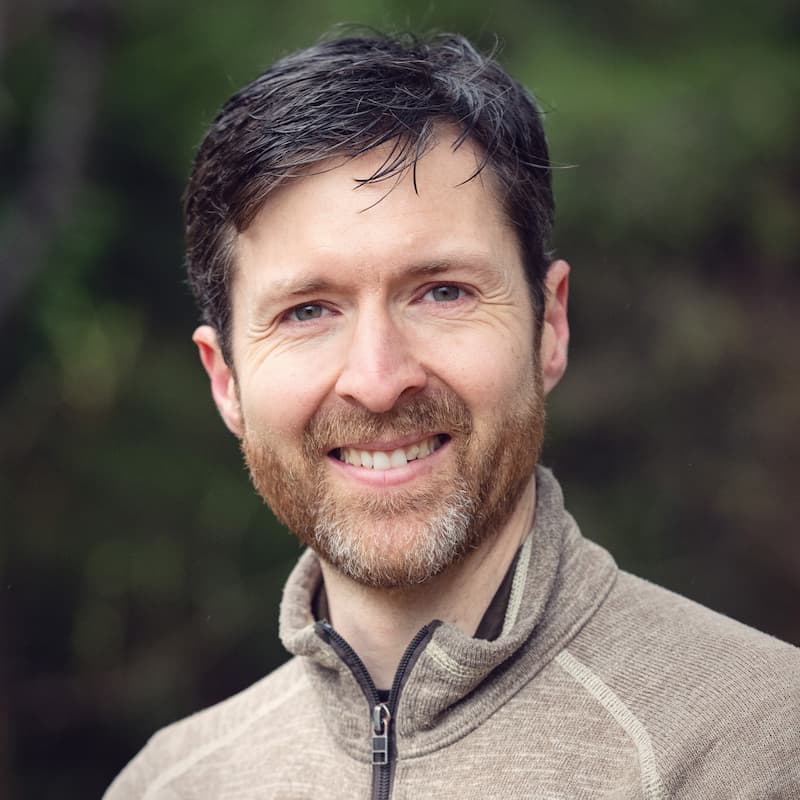
Can you tell us about this new research?
We assessed the benefits that Canada’s natural ecosystems provide for flood prevention, the first time an analysis like this has been done at a national scale. We identified the natural ecosystems across the country that capture and retain the highest amounts of runoff and are simultaneously located upstream of urban and agricultural areas, particularly those located in floodplains. The most important of these natural ecosystems help prevent flooding in 54% of urban areas and 74% of agricultural lands within floodplains. This benefits approximately 3.7 million people or 10% of the Canadian population directly that lives in these areas. Our study highlights the importance of natural ecosystems in protecting Canadians from flooding and where restoration or conservation actions could best improve this.
Your paper highlights the importance of “service providing areas” and “service demanding areas” for flood prevention. What are these concepts and their significance in your study?
One of the biggest complexities we had to grapple with in our study is the fact that water runs downhill! We therefore had to understand all of the upstream/downstream connections that exist within and between watersheds to properly assess how a particular forest or wetland prevents flooding downstream. In our study, “service providing areas” are those areas of natural vegetation that can provide flood prevention by retaining runoff and rainfall. Conversely, “service demanding areas” are urban and agricultural areas, and especially those located within floodplains, that can most benefit from flood prevention. When you have the situation where a “service providing area” is located upstream of a “service demanding area,” then flood prevention can happen. The word “service” in all of this comes from “ecosystem service” which is a scientific term that refers to the benefits that people receive from natural ecosystems.
We’ve seen some pretty serious flooding events in the lower mainland this fall. How does this new research factor into the broader picture of flood prevention?
Flooding, by some measures, if the most frequent natural hazard in Canada, and is likely to become even more frequent due to climate change and increasing extreme rainfall events. Our research highlights and emphasizes the importance of natural ecosystems in safeguarding people and infrastructure in Canada from flooding. Taking advantage and increasing these Nature-based solutions to climate change, in combination with human-made infrastructure, has the potential to be a more cost-effective and resilient way to increase flood prevention benefits in BC and the Lower Mainland, as well as across Canada in the face of these challenges.
Your research indicates that about 10% of Canada’s flood-preventing natural ecosystems are particularly crucial. What characteristics make these ecosystems so vital, and where are they primarily located?
Not all natural ecosystems are created equally with respect to flood prevention. Trees and forests due to their dense foliage and deep roots are often able to capture and retain more rainfall and runoff than shrubs or grasses. In addition, ecosystems that are located in places with more rainfall have the opportunity to capture more runoff. The most critical flood-preventing natural ecosystems are those that, if they were removed, would result in a 50% or greater increase in runoff. This includes places like the Okanagan and interior valleys of British Columbia, northern Ontario from Lake Huron through to Ottawa and southern Quebec, and even northern areas around Great Slave and Great Bear Lake. These aren’t always the places with the most people or agriculture downstream, but can be places with remote and rural communities or critical transportation infrastructure that could be strongly impacted by flooding.
What are the broader implications of your findings for national conservation strategies and policies?
One key finding is that only 8% of the most important natural ecosystem for flood prevention are currently designated as protected. Considering that 13% of Canada’s terrestrial and freshwater area is protected or conserved, this indicates we need to do a better job protecting those areas that prevent floods. The best way to do this might not always be by creating parks though, other conservation measures such as the creation of riparian buffers in agricultural lands, incentivizing landowners and tenure-holders to maintain key upstream ecosystems, and Indigenous Protected and Conserved Areas are also likely to be key.
Beyond policymakers and can the community do with this information to help prevent flooding?
While our national-scale analysis won’t always be able to directly inform local-scale decisions, what it does do is highlight the importance of nature-based solutions to increasing flood risk. Communities can use this information to advocate for the protection of key natural ecosystems and lobby governments to integrate these types of solutions into their flood prevention strategies alongside traditional infrastructure like levees, dikes, and reservoirs. There are also smaller-scale nature-based solutions like rain gardens and bioswales that are appropriate for urban settings and that can be implemented by individual property owners of community groups.
Graduation Fall 2024

When: November 28, 2024 | 8:30 – 11 AM
Where: Chan Centre / Robert H. Lee Alumni Centre
The Fall 2024 graduation ceremony for all Forestry students will take place on November 28, 2024.
Family and guests should proceed directly to the Chan Centre, with doors opening 30 minutes before the ceremony. Guests are requested to be seated within 10 minutes of the start, after which any unclaimed seats will be available on a first-come, first-served basis.
After the ceremony, join the celebration at Flag Pole Plaza, and graduates with their guests are invited to the graduation welcome reception at the Robert H. Lee Alumni Centre, hosted by alumni UBC.
For those unable to attend, a live webcast of the ceremony will be available, starting 15 minutes before each ceremony.
Learn more at the UBC Graduation website.