UBC Faculty of Forestry & Environmental Stewardship HEAL Network Receives Grant Renewal to Continue Innovative Research
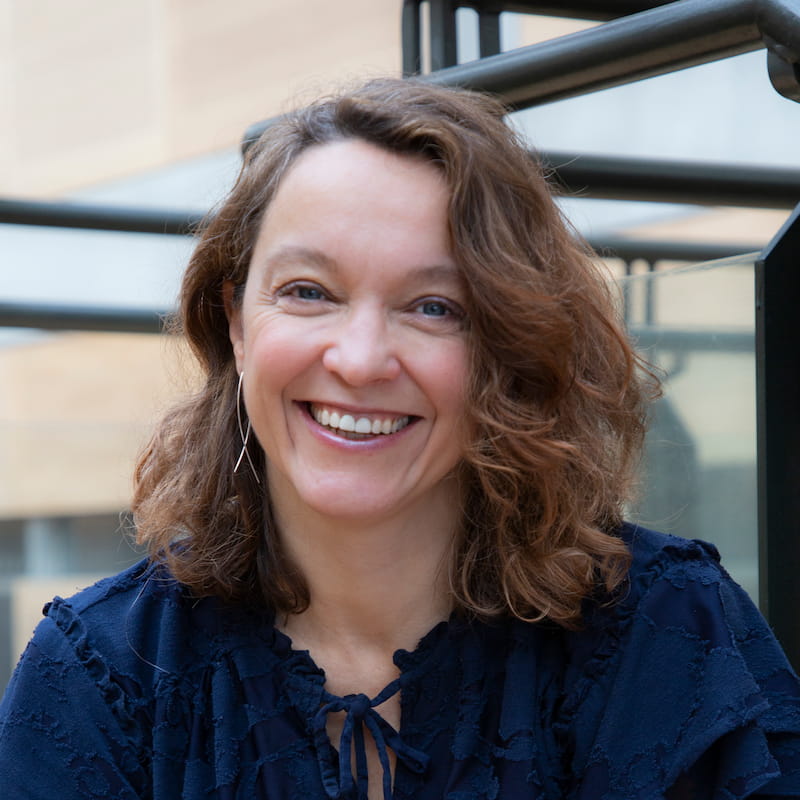
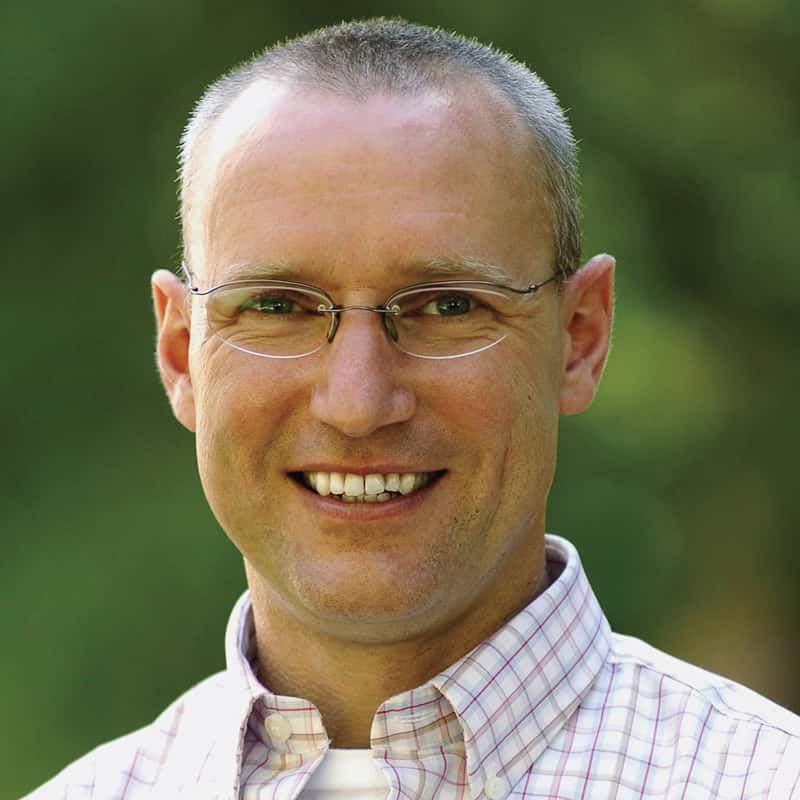
UBC’s Faculty of Forestry & Environmental Stewardship is thrilled to announce that the Climate Change Health Effects, Adaptation and ResiLience (HEAL) network has had its grant renewed for another year. Co-led by Dr. Lorien Nesbitt, Department of Forest Resources Management and Dr. Chris Carlsten, Division of Respiratory Medicine/Department of Medicine, the interdisciplinary group is one of 40 UBC research excellence clusters that received funding under the university’s Research Excellence Clusters Initiative.
Over the past year, the HEAL network has invested in relationship-building with local partners, including grassroots organizations, local, regional, and provincial governments, and other researchers. This includes organizing a stakeholder workshop to identify priority areas for research, establishing a network of graduate students working on issues related to climate change, health, and urban greenness, and building a community of practice within and outside of academia to design their research from the ground up.
“In our first year, we set the ground work for collaborative relationships within the cluster and partner organizations. In our second year we are looking forward to taking the next steps of co-developing projects and initiatives to support communities at risk from extreme weather events associated with climate change.“

With the renewal of HEAL’s grant, the group can continue to address the societal and cultural problems related to climate change and its effects on health through its interdisciplinary research. Guided by 3 key themes, the group will focus on building on their relational foundations and continue their conversations with individuals and organizations outside of their group to advance research that responds to the needs of those experiencing climate change and managing its effects within the community.
“Our focus is on using a research to action approach, meaning we aim to co-develop projects in partnerships with relevant stakeholders. In our first year stakeholder organizations (such as government) were in a transition period from COVID-19 with limited capacity for other activities. However, organizations have allocated resources to climate change and health and are well positioned to work collaboratively in this area. We are looking forward to deepening these relationships in our second year.“
About UBC’s Research Excellence Clusters
UBC’s Vice-President, Research & Innovation and the Provost & Vice-President Academic established the Grants for Catalyzing Research Clusters competition as a way to catalyze research initiatives and enable clusters to have a greater impact than would be possible otherwise.
Imagine UBC Forestry & Environmental Stewardship Orientation Leaders
The Faculty of Forestry & Environmental Stewardship is seeking undergraduate student leaders to help welcome new students as part of Imagine Day 2023! This a fun and rewarding volunteer position that plays a crucial role in the delivery of UBC Orientations for students joining the Faculty of Forestry & Environmental Stewardship in September 2023.
Please see the position description for more details, including important dates. Students can apply for the position by filling out the application form here.

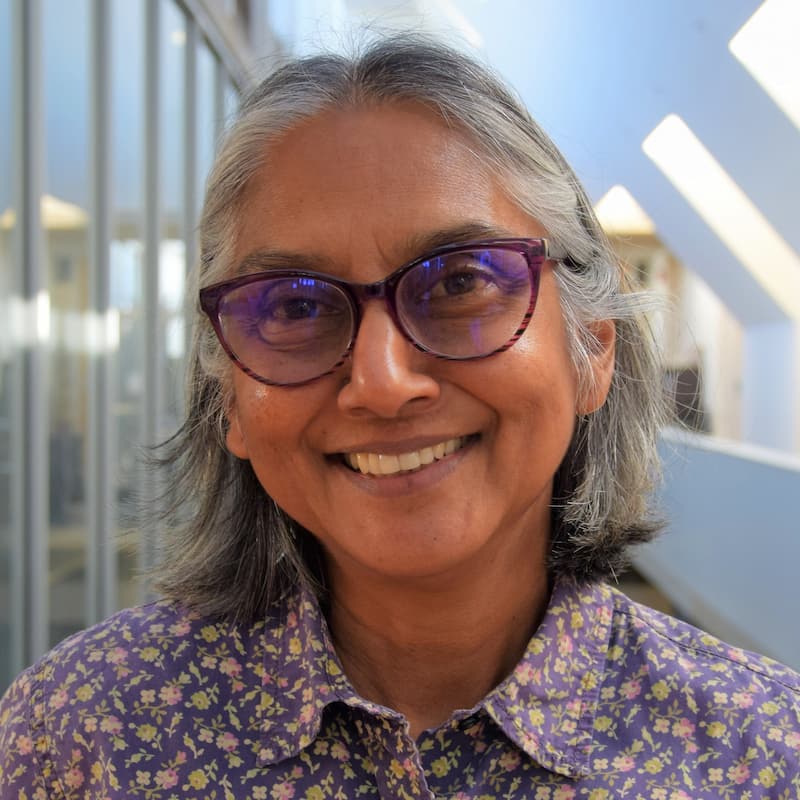
In the Spotlight: Jaya Joshi
Jaya Joshi is an Assistant Professor in the Department of Wood Science at UBC. Her research focuses on improving the yield and nutritional values of crops, guided by the aim of successful implementation of carbon farming by 2050. Metabolic engineering of microbes with tailor-made catalysts that could convert biomass-derived feedstocks into fuels, valuable commodities, or pharmaceutical products will pave the way for sustainable chemistry.
Tell us about yourself!

I define myself as a synthetic biologist. I grew up in India, where I did my masters in plant biochemistry. Recently, I finished a postdoctoral fellowship with Dr. Andrew Hanson at the University of Florida. After that, I moved to Dr. Vincent Martin’s lab at the Centre for Structural and Functional Genomics in Montreal. During my time there, I explored the enormous power of bio foundries in the field of synthetic biology.
Throughout the last few years, I have worked with a number of different companies and organizations, including Agriculture and Agri Food Canada, to look at how to help people in terms of hunger and in respect to yield and nutrition. Thirty percent of the world’s food is going to waste, so I really focus on finding ways to reduce that percentage by looking into ways to use that waste efficiently.
What drew you to your work?
I was very interested in the climate change crisis and what’s happening with malnutrition. With people around the world dying with empty stomachs, I wanted to do what I could to contribute to saving the world. I have a three-year-old son and I worry about the world we are leaving behind, so I want to be a part of the solution which I felt like I could do here at UBC.
What attracted you to working at UBC?
People here in the Faculty of Forestry & Environmental Stewardship are very collaborative, everyone works together to think outside of the box. I’m looking forward to jumping in to be a part of the climate change solution along with my fellow faculty members. One of the biggest attractions for me was when I saw the crisis here in British Columbia in 2021. Seeing the floods and the forest fires, and the impacts of climate change on the food industry. I felt that this is the place where I can start and grow my theory of reduced waste and produce something out of it. I saw a good cluster here and they were looking for a synthetic biologist who can work on the biotechnology. They wanted to take forward is how to use the feedstock, so this was a perfect place for me to start.
In addition to your research, what are you looking forward to working on in the Faculty of Forestry & Environmental Stewardship?
I am very much an advocate of women in science, I want to create space for other women to come forward and say, I want to study science. I’m passionate and I’m happy that there are a lot of women scientists here, especially in this department. I come from a very small town of India, which were girls’ education was not a big deal. Working in STEM, there is still a stigma in a lot of countries, and I have seen it firsthand. My teaching will focus on developing a programming course, with women in mind. Programming is dominated by men, so this will offer platforms for women to learn in a more welcoming setting.