Marine Conservation Technician at Galiano Conservancy Association in Galiano Island, BC
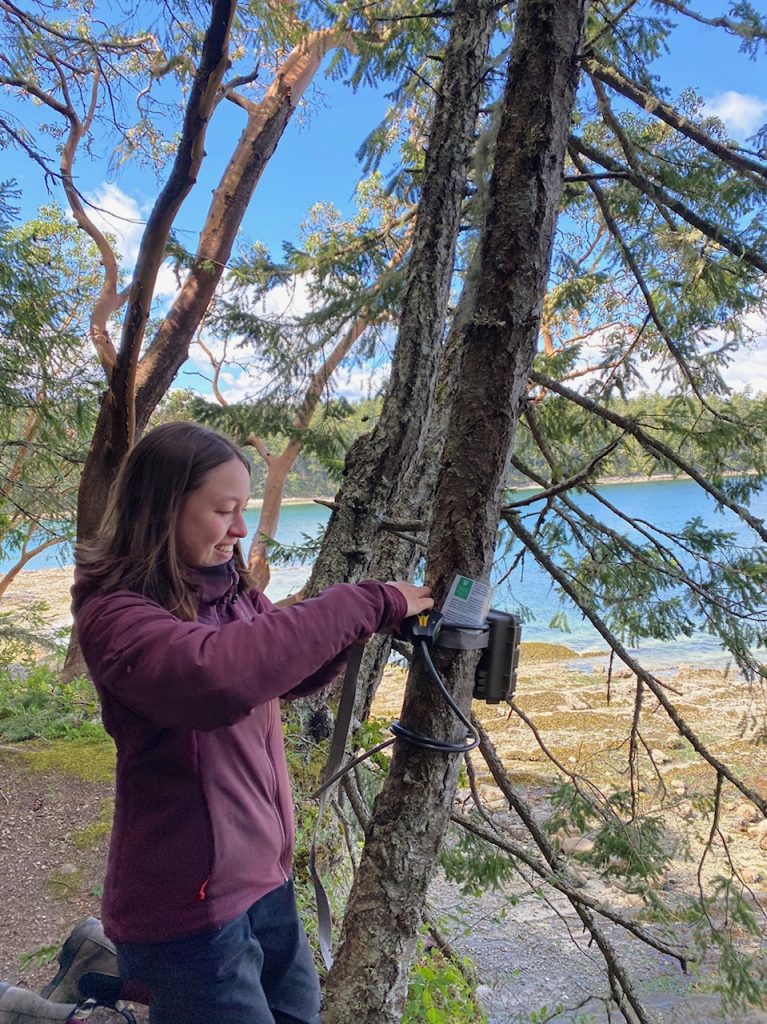
For my third co-op term, I have been working at the Galiano Conservancy Association on Galiano Island, BC, as their Marine Conservation Technician. As part of the ongoing Rockfish Conservation Project, I conduct monitoring for Rockfish Conservation Areas using shoreline trail cameras, conduct interviews with recreational fishers, and lead community education and engagement initiatives. In addition to rockfish conservation, I collect and manage marine invertebrate data from the Hakai Institue’s Sentinels of Change project, monitoring Dungeness crab populations. Come August, I will be leading and coordinating volunteers for a seaweed mapping project by sea kayak.
Like past co-op positions, I have been able to connect my studies to my work. This position has been extremely rewarding, as it has greatly connected to my coursework in Fisheries Conservation and Management at UBC Forestry & Environmental Stewardship. I have been able to build on skills including project management, organization, and communication, as well as gain new technical skills in both field and office settings. Co-op is amazing for expanding and diversifying work experience, all while connecting and enhancing your studies.
Trees and Shrubs Sales Associate at Sky Nursery in Shoreline, Washington
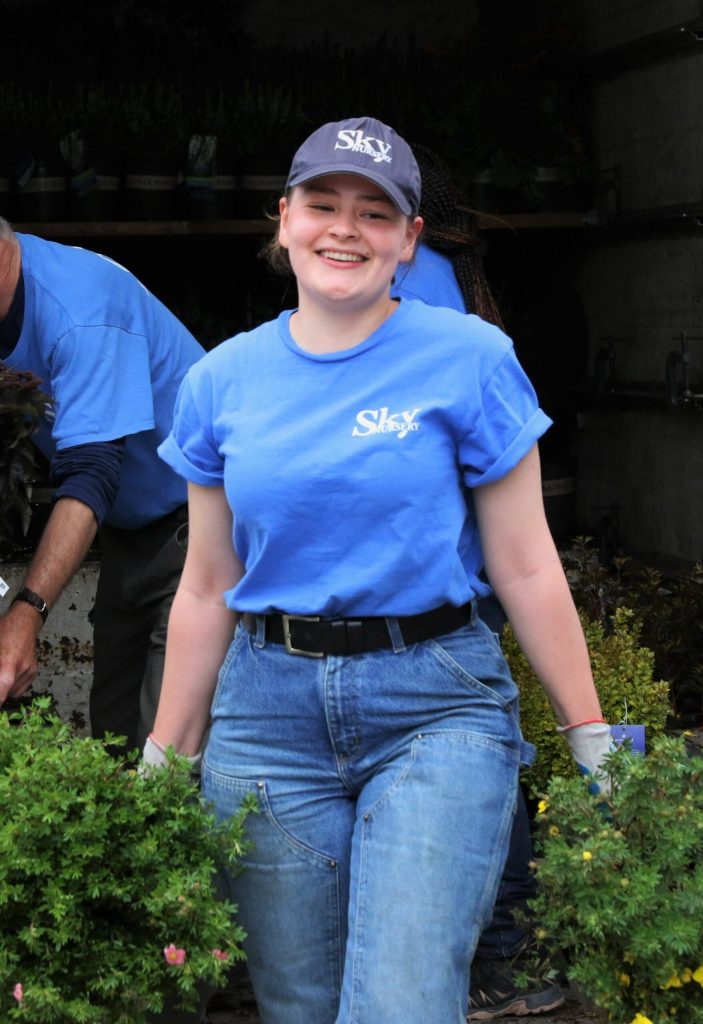
During this co-op term, I worked at Sky Nursery in Shoreline, Washington, in the Trees and Shrubs Department. My responsibilities as a staff member in the Trees and Shrubs department of Sky Nursery involve receiving, processing, maintaining, and answering any questions regarding all the plant inventory within the department. This includes processing plants as they are delivered, pricing, planting, pruning, watering, and organizing the plant material. Which can be upwards of 7,000 plants in the department at a time. In addition to these tasks, I answer customer questions, recommend plants, and care tips, and aid with the identification of plants and various plant problems. I answer customer questions both in person and over the phone. These questions could relate to anything from ideal plant-soil conditions, to plant diseases/treatments, to landscaping advice. I also write articles for Sky Nursery’s website and blog. The aim of these articles is to present useful horticulture information to the public in an accessible way. Sky Nursery prides itself not only on its garden supply but also on the knowledge of its employees. People often come to the nursery not just to purchase plants but also for advice on subjects such as plant care, identification, and disease. As an employee, it is expected of me to absorb and be able to educate on as much information regarding trees and shrubs as possible. This makes my employment the perfect opportunity to keep the knowledge I have gained in my forestry classes fresh and expand upon it. By handling plants, listening to my co-workers share their decades of experience, or, on rainy days reading from the nursery library, I feel like I am always learning. It’s very rewarding to implement the knowledge I have gained in my education while helping people make their plants and gardens thrive.
Join your Forestry and Land and Food Systems friends for a cold plunge at Wreck Beach as part of the 2023 Minutes Outside Challenge! Meet at 10:30am at the Tim Hortons in the Forest Sciences Centre to walk to the beach together, or meet at the Wreck Beach stairs at 11:00am.
Assistant Project Manager at La Hesperia Reserve in Quito, Ecuador
During my co-op placement in La Hesperia Cloud Forest Reserve in Ecuador I have worked alongside researchers, volunteers and mangers to improve day-to-day operations; facilitate communication in English and Spanish; and creating content in various social media platforms. I have learned about the work that goes on behind the scenes to run an NGO. Most importantly, I have been working on collecting data on the importance of trees for improving biodiversity in farms and pastures. Because of this, I have learnt very valuable skills in fieldwork as well as in science and climate communications.
Co-op has been an amazing opportunity to prepare myself for the changes that I will face once I graduate; allowing me to have a smoother transition from student to employee. The experience I gained has made me a more well-rounded candidate for future jobs. I belive that other students should take advantage of the benefits of this great program since they will get the unique chance to grow within the industry of their choice before officially entering the job market.
Vegetable Gardener at Don’t Go Hungry Food Support Program in New Westminster, BC
For my second co-op term, it has been a delight to work as a produce gardener for the Don’t go Hungry Food Support Program, based in New Westminster. My main role is to manage and maintain health of three different vegetable garden sites, one in which I newly implemented, to aid food insecure communities. This includes planting, pruning, setting up irrigation systems, and regularly harvesting the vegetation. This is a dynamic position that has allowed me to gain skills in project management, leadership, and community engagement. The new garden site I recently implemented helped me practice project management through creation of layout visualization and understanding the importance and process of land cultivation. I have been able to take on leadership roles to coordinate volunteers and distribute garden tasks. Another exciting aspect is getting to know the local community, through interactions with program supervisors, social media engagement, and people in food insecure situations, that utilize the program. This has opened my eyes to urban agricultural practices and how these techniques can be used to directly help those around you. It has been a pleasure to work at this program and I am excited to continue applying knowledge learned from my school courses to help the community of New Westminster.
Remote Sensing Analyst at Pacific Forestry Centre in Victoria, BC
I am responsible for checking different Landsat/satellite images on ArcMap and incorporating high-resolution images from different sources such as Google Earth to see if there are any human-induced deforestation events happening across Canada, where the entire country has been divided into different packages containing cells that are 3km by 3km. If there is a deforestation event happening and the area is greater than a hectare, I will have to map it on ArcMap and input relative information of the deforestation event (eg. forest pre-type, post-class, and current land use). This co-op work term not only has given me the chance to apply the remote sensing knowledge I have learned in my forestry courses in real-life work experience while learning new skills, but I also got to see different land-use changes and geography across the whole of Canada. Co-op is an extremely good opportunity to experience different fields and build connections outside school.