Global forestry assets could be poised for rapid growth
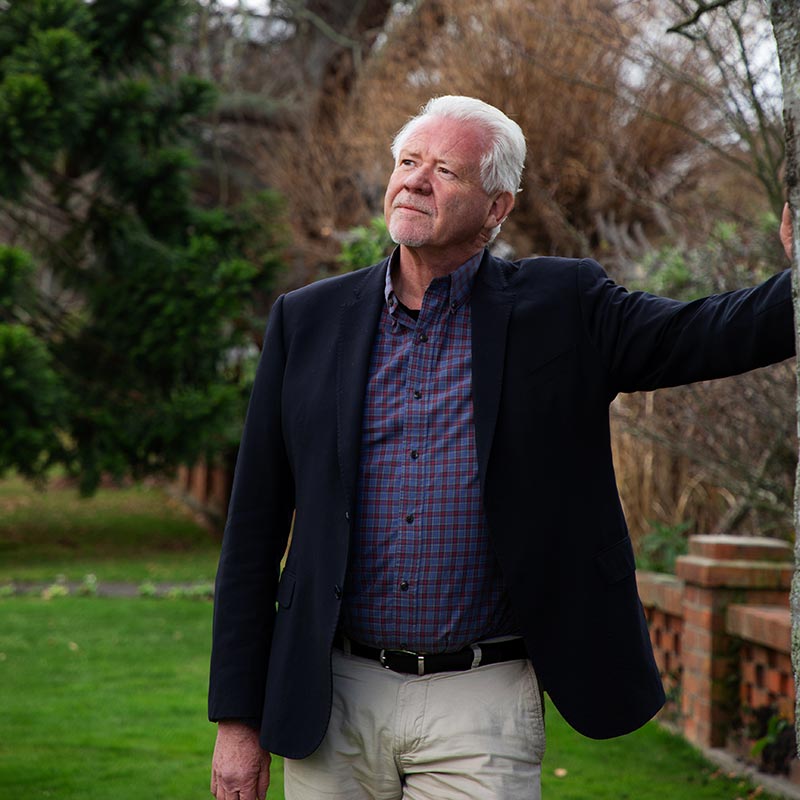
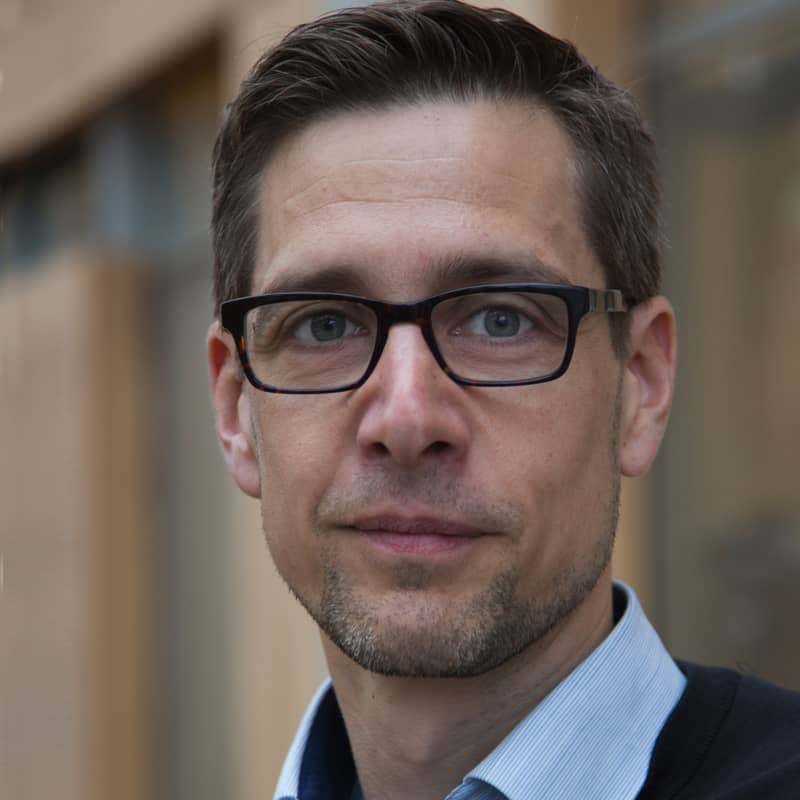
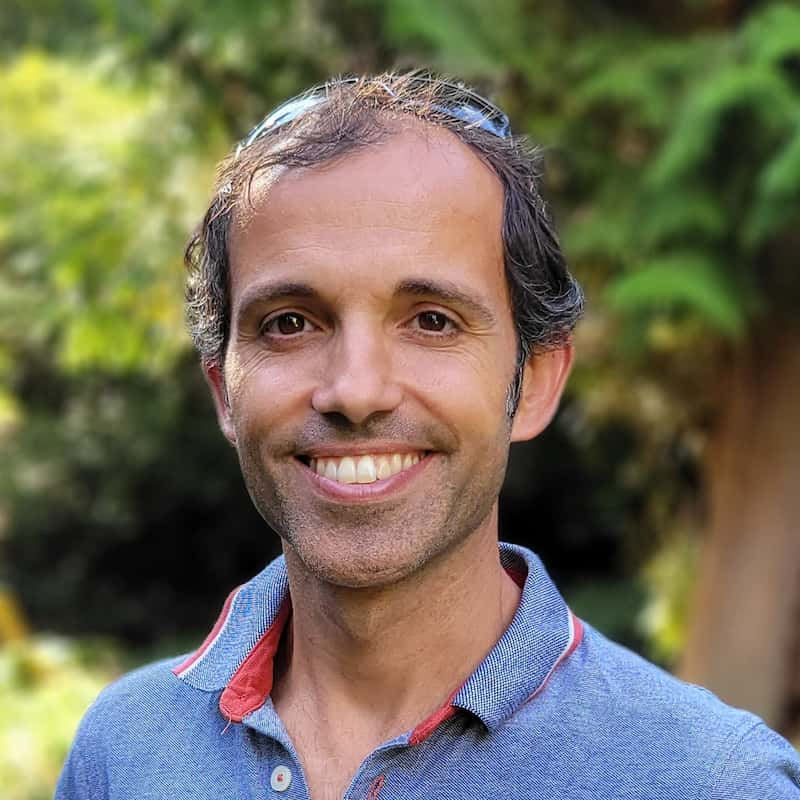
UBC Forestry & Environmental Stewardship alumnus, David Brand (PhD Forestry’85), knows the value of forests well. After serving as the director general of science and sustainable development with the Government of Canada’s Department of Natural Resources, David held roles with Australia’s largest forestry business. He also worked with a farmland and timberland investment organization before founding the global nature-based investment company, New Forests, in 2005.
David started New Forests with a $1 million loan, and has grown the business to a leading investment manager of approximately 1.25 million hectares of forest, valued at around $8.75 billion. A strong believer in the principles of sustainable forest management, David’s vision for his company includes creating opportunities within the forestry sector for communities to transition to a greener and more sustainable future.
“Community involvement and partnership are part of the transition to sustainable land use and natural climate solutions,” David says. “Community members need to be part of a shared value solution to generate returns and ensure success.”
“As a certified B Corp – working in the best interests of communities, employees, consumers and the environment – New Forests also supports the climate change mitigation opportunities forests can provide. Circular bioeconomy technology, such as wood-based bioproducts, along with the carbon sequestration potential of trees, are part of New Forests’ investments in real assets, as well as natural capital strategies.
“Forestry has become a key player in the sustainability transition,” says David. “It’s like all roads lead to Rome. Forestry investment can help in both mitigation and adaptation to climate change, as well as support nature conservation and create benefits to rural communities, including Indigenous communities.”
Forestry’s return on investment comes from the sale of timber and other forest-related goods and services, along with biological growth. Similar to wine, the more forests age, or in this case grow, the more valuable they can become.
A relatively new opportunity, forestry investing started to gain appeal around the 1980s and 1990s, largely in the form of assets sold to institutional investors in the US, says David. It has since piqued the interest of investors looking for ways to balance their portfolios with longer-term options.
“Forestry has no inherent correlation with the stock market or bond rates,” explains David, making it an attractive investment opportunity, particularly when weathering volatile market conditions.
What we’re trying to accomplish is looking at how the forestry sector can be recast as a solutions-based sector that leads in the transition to a sustainable society.” the carbon sequestration potential of trees, are part of New Forests’ investments in real assets, as well as natural capital strategies.
“The longer time horizon of forest assets does come with a degree of risk from externalities such as climate change, wildfire and other natural disasters, although many can be mitigated through management practices and insurance,” David shares.
Because real assets tend to be scarce or finite, demand for them increases with population growth. For example, real estate is a real asset that grows in value in a tight market with few available homes and lots of people looking to buy. Trees are a finite resource in that there is limited arable land upon which to grow them. With global populations estimated to reach 10.9 billion people by the year 2100, demand for trees and the services they provide could be on an upwards trajectory.
“As human populations and the global economy continue to grow, sustainability is likely to be an ongoing, central trend in investing,” says David. “Everything people do that creates a more sustainable outcome is going to become more valuable.”
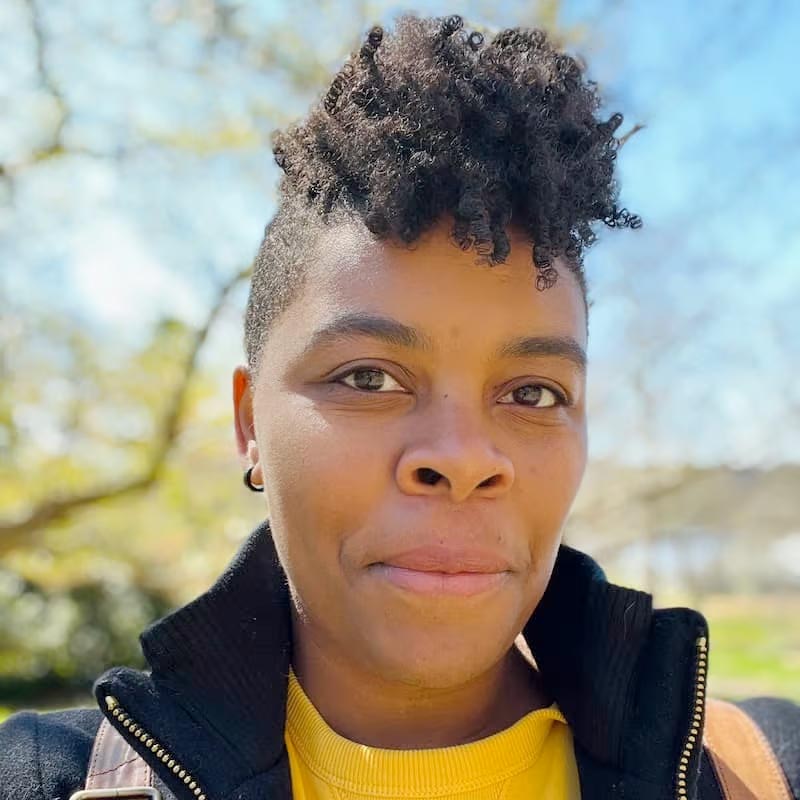
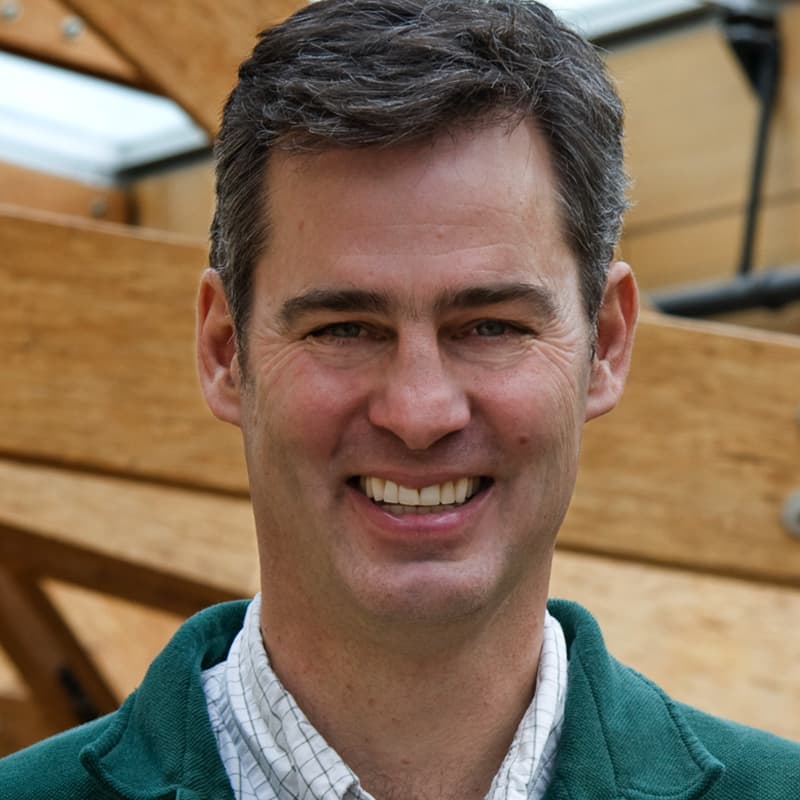
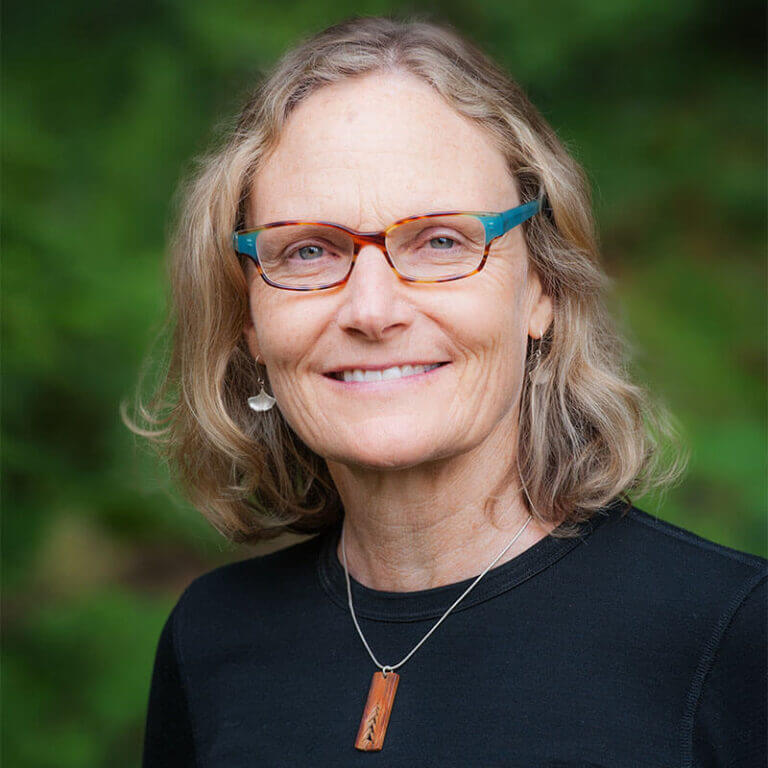
Dr. Alex Moore is an Assistant Professor at UBC, jointly appointed to the Faculty of Forestry & Environmental Stewardship and the Faculty of Science. Their research focuses on how predator-prey interactions impact the health and functioning of coastal wetland ecosystems and explores the role that cultural values and knowledge play in ecosystem restoration and conservation.
Tell us about yourself
I moved to Vancouver this past summer to begin my UBC career as a professor serving the Dept. of Botany in the Faculty of Science and the Dept. of Forest and Conservation Sciences in the Faculty of Forestry & Environmental Stewardship.
Previously I was living on the east coast of the United States where I worked at Princeton University’s High Meadows Environmental Institute as a postdoctoral research associate.
Prior to my position at Princeton, I completed 3 years as a postdoctoral fellow through a program with the American Museum of Natural History in New York City. It was during this time that I began to really appreciate teaching and how I might be able to make a difference. The postdoctoral position resonated with me because it called for both research and teaching conservation biology to high school students in the museum’s after-school program. After reviewing the museum’s science curriculum for opportunities to incorporate diversity, equity, inclusion and justice narratives and activities, I was eager to take part.
Can you give us an overview of your research? What excited you about this work?
I try to ensure that my research calls for a more holistic appraisal of ecosystem health, which includes important ecological features as well as the consideration of how social and cultural elements impact those landscapes.
What drew me to this line of research was that it allowed me to not only explore coastal wetland ecosystems but also directly engage with communities that have been historically marginalized in STEM fields as well as conservation practice. It’s a significant undertaking that I believe starts with an acceptance of the reality that the knowledge I hold is inherently incomplete and a commitment to developing long-term relationships with the marginalized communities that should be uplifted by this work.
How can principles of inclusivity, equity, anti–racism and justice help us to better understand the work of conservation, restoration and knowledge?
The field of conservation has a history that is rooted in anti-Indigenous and anti-Black practices, including those based on The Doctrine of Discovery and the enforcement of laws that stripped Indigenous and Black communities of their access to land. In order to equitably engage in conservation and restoration practice today, it is essential to interrogate this history and the modern-day practices derived from it. One way to do this is by allowing people to reconnect with places. If we want to truly understand and protect ecosystems, we need to include the knowledge and values of the communities that have historically shaped and interacted with these environments.
What kind of topics/questions will the Moore Inclusive Conservation Lab address?
In our lab, we plan to conduct applied community and ecosystem ecology research and practice conservation at various scales while incorporating the values and needs of local communities directly into our work. Our lab will begin setting up in Fall 2023 and is already open for applications from students interested in being part of our group.
Christmas tree consumers may be challenged again this year in finding a traditional tree due to a continuing supply shortage that can be attributed in part to climate change.
UBC Faculty of Forestry & Environmental Stewardship professor Dr. Richard Hamelin explains how climate change continues to plague the real Christmas tree market and what should be considered for improving the worldwide growing supply chain shortage.
Any Western researcher who had conducted field studies overseas is likely familiar with the terms “parachute science” or “colonial science.” Both terms being interchangeable, they are defined as researchers coming into communities to conduct their work without appropriately acknowledging the importance of local expertise.
UBC Faculty of Forestry & Environmental Stewardship PhD candidate Alida O’Connor, who joined the Faculty in 2019, wanted to ensure any international fieldwork she conducted would incorporate a more meaningful approach with equitable collaborations integrated into every step in the process.
“It’s always been my goal to work in research settings where we were truly collaborating with scientists and people who live in the landscapes we are studying. My international fieldwork, which is focused on understanding the relationship between land-use priorities, decision-making power and collaborative natural resource management, has allowed me to do just that.”
Working in Zambia
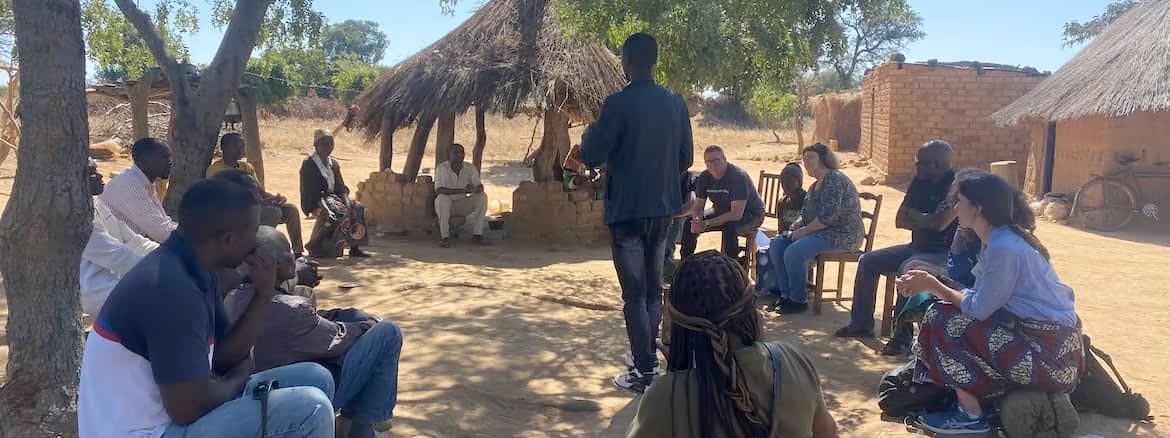
In spring 2022 O’Connor journeyed to the Kalomo District in southern Zambia, also known as the breadbasket district, where she spent three months with a local team who helped her with Tonga translations, co-developing research questions, identifying study sites and so much more.
Her work is part of a joint initiative with UBC Forestry & Environmental Stewardship, Centre for International Forestry Research (CIFOR) and CIFOR’s large-scale project – Collaborating to Operationalise Landscape Approaches for Nature, Development and Sustainability (COLANDS). O’Connor’s supervisor, UBC Faculty of Forestry & Environmental Stewardship Dr. Terry Sunderland who leads the Faculty’s Sunderland Lab and is a senior associate with CIFOR, coordinated the connection.
During her visit, O’Connor and her field assistant Emeldah Mwenda conducted many in-the-field key informant interviews and discussion groups with community members, traditional leaders and government representatives. She learned from communities about challenges with everything from a decline in soil fertility to food security.
What O’Connor was learning from Zambians in return was their innovative approaches to managing their landscapes.
Southern Africa’s Innovative Approach to Natural Resource Management
“I’ve always been very interested in Southern Africa. The history with colonialism, for one, and the fact these countries are at the forefront of reclaiming their land and adapting to a changing climate through the management of their natural resources. They have a lot of interesting and innovative programs. I believe Canada could learn a lot.”
Despite working long days that sometimes involved travel, challenging primary data analysis and many hours of observation, O’Connor says it all seemed to happen quickly. She believes that was likely because the group was so grateful to have the opportunity to work in-person once more.
“It truly was a whirlwind. It was so nice to be able to get to the field after two years of COVID-19 pandemic-driven, desk-based work from Vancouver. Those in-person talks quickly became dynamic conversations that tend to happen naturally when you’re not forced to conduct it all virtually.”
Like most graduate students, O’Connor will continue to transcribe the dozens of hours of research data she collected while away overseas. While undertaking this in-depth analysis of the hours of data collected, she will also plan for her next field study – this time in Ghana.
“I look forward to continuing fieldwork early next year when I will be travelling to Ghana’s Northern Region.”
To learn more about O’Connor’s most recent research experience, read her blog here.
About Alida O’Connor
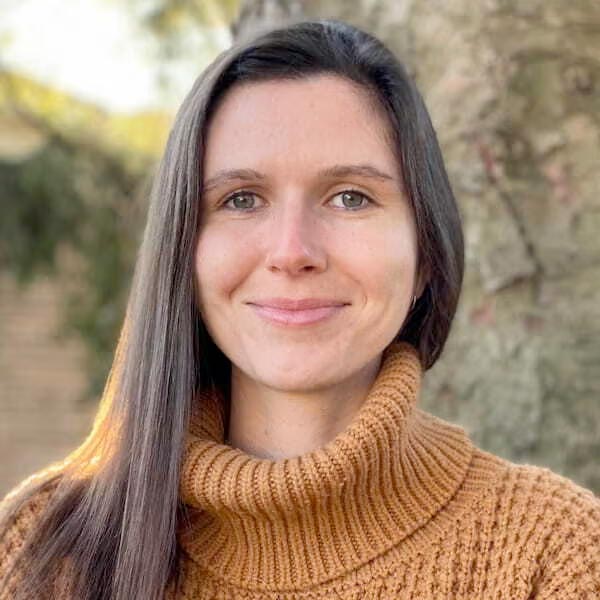
Alida’s work explores the social dimensions of conservation through topics such as community-based conservation, local perceptions and values, and integrated landscape approaches She holds a Master’s degree in Resources, Environment, and Sustainability from the University of British Columbia and a combined Bachelor’s in International Development and Environmental Sustainability from Dalhousie University in Halifax, Canada.
Even though many global cities incorporate greenspaces such as pocket parks and community gardens into their urban planning efforts, new UBC research shows those plans often fail to include the needs of youth and young adults between the ages of 15 and 24.
Diversification could be a boon for ecosystems and the economy
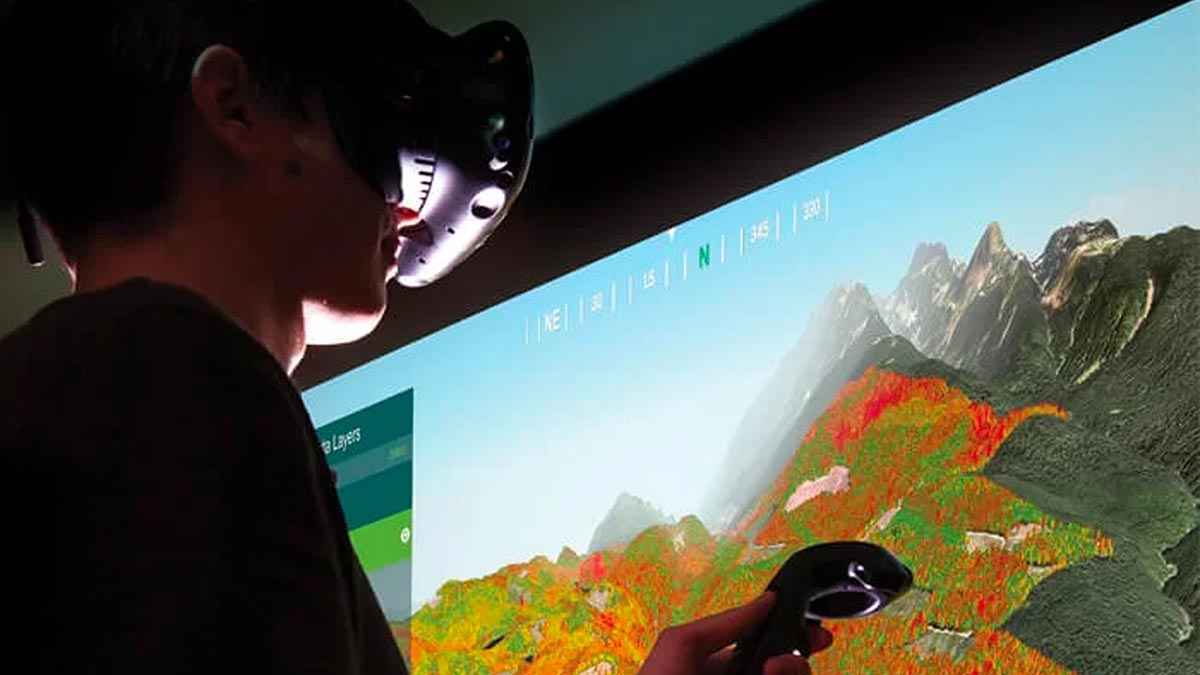
A student uses the TimberOps virtual reality tool at the UBC Forestry & Environmental Stewardship Action Lab. The technology combines spatial data into a single visual map to help with operational planning and consultation
In this age of the Anthropocene, the pressures of human activity are impacting everything from fish populations to weather patterns, compelling dramatic shifts in climate and ecosystems that parallel some of antiquity’s most Earth-altering natural disasters.
Associate Professor Dominik Roeser
“The global forest sector has become so challenged by climate change and extreme weather events,” UBC Forestry & Environmental Stewardship Assoc. Prof. Dominik Roeser comments from Northern Italy in July 2022, as a record-breaking heatwave seared much of Europe and alighted deadly wildfires.
Growing up and studying in Germany, Dominik saw how that country has tried to find a balance between the needs of the forestry sector and ecologic and human values. Continuous cover silviculture systems, which promote uneven-aged woodlands as opposed to even-aged plantations, were practised to some extent there – as well as in parts of Switzerland, France, Austria and Slovenia – since the late 1800s, according to a 2004 historical review. Today, the practice is one of many sustainable forest management tools applied by foresters, as well as landowners.
Sustainable forest management is defined by the Food and Agriculture Organization of the United Nations as the stewardship of forests to maintain their biodiversity, productivity, regenerative capacity, vitality and long-term ecological, economic and social functions. This can take the form of managing species diversity and age; public and private partnerships to control pests and fire risk; providing corridors for species movement; removing invasive species; and planting species better adapted to changing environmental conditions, according to a 2016 sustainable forestry article.
In British Columbia, Indigenous peoples have lived in harmony with forests for millennia, establishing knowledge and traditional practices derived from hands-on experimentation and cultivation of forest ecosystems. Increasingly recognized for the important role they can play in present-day sustainable forest management, Indigenous approaches are the focus of scholarship and education at more and more institutions, such as UBC, and are being integrated to a greater extent into industry best practices and government policies.
“Indigenous peoples were long-time stewards of the land; and, now industry, academics and government are considering that in terms of helping with designing sustainable forestry frameworks and research questions,” says UBC Forestry & Environmental Stewardship Asst. Prof. Danielle Ignace. “It has to be done in a respectful way, but I think we’re at a place to do that.”
Diverse perspectives
Danielle researches the connection between organisms, including humans, and their environment in her field of ecophysiology. A lot of her work now focuses on different ways of knowing.
She often finds herself asking how forestry can bring to the table the voices and perspectives of more disparate communities to identify potential inroads and novel approaches to tackle the climate challenge: “How can we be more inclusive, diverse and sustainable at the same time?”
Answering this question could give voice to the views and knowledge of people from often underrepresented communities, cultures and ethnicities.
Assistant Professor Danielle Ignace
“Scientists once worked in a bubble, without a lot of community engagement or concern for the harms and pollution inflicted on the natural environment and human populations,” notes Danielle, who is an enrolled member of the Coeur d’Alene (Schitsu’umsh) tribe from Idaho, US. “Now we are adding that community component to realize a more holistic approach.”
Including diverse perspectives is particularly important when implementing new policies and for decision-making within forestry and other areas of science, technology, engineering and math, aka STEM, she says.
The status quo is increasingly untenable in a political, social, ecological and commercial landscape that must address sometimes diametrically opposed needs when it comes to recreation opportunities in forests, eco-tourism, species migration routes, protection of old growth trees and fish habitats, as well as mitigation measures for wildfires and floods.
Diversifying forest management in BC is a long time coming, remarks Dominik, and something that must be realized sooner rather than later.
“We’ve moved from a narrow focus driven by economics to a more holistic approach that takes into account more diverse landscape values,” he adds. “This involves selecting tailored solutions that work best to achieve multiple values on the landscape and that are driven by changing societal and environmental conditions.”
The need for local engagement
According to Natural Resources Canada, the forestry sector contributed $25.2 billion to the Canadian economy in 2020. That same year, Government of BC figures indicate that forestry contributed $1.27 billion to provincial coffers.
Associate Professor Harry Nelson
“Forestry has generated enormous amounts of wealth and has the potential to keep doing so,” says UBC Forestry & Environmental Stewardship Assoc. Prof. Harry Nelson. “However, this has come at a cost in terms of biodiversity, the aesthetic value of forests, hydrology and other externalities.”
Competition among forestry companies has also historically perpetuated some unsustainable practices in the BC marketplace, notes Harry, who adds that “the volume-based system has not served us well.”
Harry describes a hypothetical scenario in which one out of 20 valleys is harvested. “Harvesting only one valley isn’t enough to cause widespread impacts on species, habitats, streams and watersheds. But, by the time you get to the 18th or 19th valley, the cost to the system has changed.”
Society is taking note, Harry remarks: “this is reflected in such things as how polarized the debate around harvesting old-growth trees has become.”
Instead of allowing several companies to log a certain number of trees from one area, i.e., a volume-based system, Harry believes an area-based system could yield a more sustainable result. In area-based systems, each company is allocated a parcel of land that only it can log to a given threshold. This, Harry believes, could change the mindset from one of ‘how can we most economically get better logs from here than other companies?’ to ‘how can we retain the value of this land over the long term?’ Additional government oversight and community engagement can also play an important role in managing forest resources optimally and sustainably, he adds.
Many groups, including Indigenous groups, have been fighting for a long time to have our different knowledge systems, ways of knowing, voices and perspectives heard, valued and supported.
“We want to retain healthy biodiversity, fish habitats, Indigenous reconciliation and a robust industry, but right now the lines of engagement are either too complex to be meaningful or not yet in place.”
The Government of BC’s Forest Landscape Plans process is trying to address this by engaging communities, including Indigenous communities, in conversations surrounding how to manage forest resources. Following updates to BC’s forest management regime, such as the Forest and Range Practices Act, the new plans will eventually replace the former Forest Stewardship Plans.
“I believe that we need to shift a lot more of the responsibility for forest management decision-making back to the local level, which would include local communities and Indigenous groups,” says Harry.
“At the end of the day, more local management and community forests could effectively allow for more tailoring to meet local conditions and values. Forest management systems could ultimately generate more accountability and responsibility, taking into account a wider range of values, or values that are matched by investment in the sector and a longer-term perspective.”
Challenges ahead
Forests have evolved for around 400 million years, adapting through ice ages, mass extinctions and assorted pests and diseases. Since humans began to live among them, trees have provided us with shelter, sustenance and materials for our tools and lodgings. However, a myriad of human-caused stressors and placing increased pressure on forested ecosystems.
Assistant Professor David Montwé
The 2021 heat dome scorched areas in the southeast of BC with above 40-degree-Celcius temperatures. In its wake, UBC Forestry & Environmental Stewardship Asst. Prof. David Montwé saw many of the ponderosa pine, Douglas-fir, western larch and other seedlings that Ministry of Forests researcher Deb MacKillop planted the year before stunted or die. Of the lot, ponderosa pine seemed to fare the best: “although it’s still hard to say to what extent before we do the number crunching,” David admits.
Together with the Ministry of Forests in Golden, BC, David is researching new approaches to forest management that will likely be needed to adapt to climate change and the severe weather it heralds.
He sees hope in silviculture approaches such as the shelterwood system, in which the forest canopy is removed gradually over many years to provide seedlings with shelter from the sun’s radiating heat. The approach can also slow or stop a fire by forcing it to leap further to alight neighbouring branches.
Another approach to reducing the impacts of heat and drought is thinning. Curtailing competition for resources, such as water, nutrients in the soil and sunlight, can give individual trees more leeway to focus their energies on growth, he says. It’s a process that comes at the cost of efficiency, and one that will require new harvester technology and technician training to hit the ground running, he admits, but one that may be necessary to improve forest resilience.
Next-generation products and services
Since the dawn of human civilization, global forests have declined by around 46%, according to a 2015 global forest survey published in Nature. A 2020 Food and Agriculture Organization of the United States report highlights that, only three decades ago, global forests were estimated to be 420 million hectares larger than they are today.
While deforestation has slowed, there remain questions about how to manage a resource that takes several decades to replenish and is now largely second-growth.
In the BC context, products produced from wood may need to get with the times, says Dominik.
“Right now, we make the most money from sawn logs. Moving forward, we need to look for more high-value products, such as mass timber, bioproducts, textiles, perfumes and other extractives, to broaden our product base.”
“We need to find very high-value products from wood to take more pressure off of traditional forestry products — such as large, old-growth stands — which are not as easy to source as they once were.”
The shift is already happening, Dominik says. “In other parts of the world, a pulp mill is now called a biorefinery. They still make pulp and paper, but they’re also making some more advanced bioproducts out of lignin and other extractives from wood.”
The overall industry diversification picture should also include high-value forest services, such as carbon sequestration, clean water, biodiversity services, recreational opportunities and cultural values, Dominik adds.
Assistant Professor Ignacio Barbeito
Carbon capture and multiple other forest services occupy a great deal of UBC Forestry & Environmental Stewardship Asst. Prof. Ignacio Barbeito’s headspace. “With every forest management practice we select, there are trade-offs to consider that will impact other systems, such as carbon capture stored in trees and soils, along with biodiversity,” says Ignacio.
“For example, certain silvicultural systems can prolong tree regeneration, thus increasing biodiversity. However, this can also increase the odds that the forest could be negatively impacted by fire or pests within a 140-year versus a 120-year growth cycle.”
Ignacio researches the costs and benefits of different forest regeneration approaches. His work is hands-on and data-driven. He takes countless measurements of tree girth and height. He collects core samples by cutting through tree rings using an incremental borer. And he sifts through stacks of data collected by the Government of BC over the years.
“BC has a wealth of long-term experiments from the 1970s, ’80s and ’90s that can help us address many questions by looking back and also not having to start from scratch,” Ignacio says. “When it comes to forest regeneration investigations, the problem is that it can take many years before we can reach a solid conclusion.”
For example, sifting through past studies, Ignacio was able to see that the pine weevil did not use to be a problem at high elevations in BC. However, “now we are seeing it damaging trees 1,500 metres and above close to Vernon,” he shares.
Ignacio’s research is also helping to fill in blanks surrounding wood quality, as well as how mixed forests can improve forest resilience; interactions between broadleaf and conifer forests can impact their growth and yield, and different harvesting practices can impact all of the above.
“Conifers mixed with deciduous species tend to fare better in drier climates and be less prone to the effects of fire,” he notes. “There is a lot of potential to, for example, increase the value of our deciduous forests as a wood product.”
Almost all commercial timber currently harvested in BC is coniferous. Adding more broadleaf trees to the mix could loosen some of the demand for conifers while concomitantly diversifying the market and potentially aligning it with research that supports planting a variety of trees.
“The point here is to not put all your eggs in one basket,” says Ignacio. “We need to start looking at wood quality as opposed to volume, particularly as we are harvesting mostly second-growth forest now.”
Science and technology
Natural resources, such as forests, are under increased pressure from the encroachment of human populations and extreme weather from climate change that is leading to more drought, fire activity and flooding. As the stressors mount, many forests in the Pacific Northwest have become more prone to die-off from disease and infestations, such as the mountain pine beetle and spruce budworm.
Professor Sally Aitken
“We’re trying to hit a moving target,” says UBC Prof. Sally Aitken. “Trees we plant now will be facing hotter temperatures when they’re older, so we need to consider that when selecting seedlings.”
Sally and her team at the Centre for Forest Conservation Genetics and the Genome Canada-supported, applied genomics CoAdapTree research project look for genetic characteristics to discover the seed source with the greatest potential to be well-adapted to a region. Examples of this include identifying trees that are more drought-tolerant or have the ability to thrive in cooler temperatures as seedlings and warmer temperatures as mature trees.
Her work involves DNA sequencing using massively powerful computers that sift through tens of thousands of genes from different tree species.
“Long-term field experiments can take 10 to 20 years to understand the population differences and what aspects of climate could affect their survival,” notes Sally. “So far, we have been getting similar results from our genomic methods as others have from these long-term field experiments, but in a fraction of the time.” Once the right mix of seedlings is identified, ‘assisted migration’ is used to transport seedlings to areas where they’re better suited to the climate – and future climate projections – within or outside of their naturally occurring ranges.
In BC, this could look like planting western larch outside of its range or planting a species of Douglas-fir found in a slightly drier or warmer environment within a Douglas-fir range, Sally explains.
Models and big data
Technology has become essential to much of the data collection undertaken by researchers at UBC Forestry & Environmental Stewardship. Advances in remote sensing, software, web applications, as well as big data and number crunching seem to have become the norm rather than the exception.
Associate Professor Tongli Wang
UBC Assoc. Prof. Tongli Wang’s climate and ecological modelling applications provide a glimpse into the future. Tongli’s scale-free climate models downscale the currently available gridded climate data to specific-point locations through a dynamic local downscaling algorithm, providing more accurate climate data.
His models integrate historical and future climate data into the same package, and cover BC (climatebc.ca) and other parts of North America (climatena.ca), along with the Asia Pacific (web.climateap.net). With over 2,500 subscribers, Tongli’s applications have served as important tools for climate change-related studies and applied work, particularly in the development of ecological models.
“There is a mismatch between the climate that trees have adapted to and the climate that they will face in the coming years,” says Tongli. “This mismatch can cause problems for trees in the future. To help deal with this, scale-free, climate data-based ecological models can project the range of suitable climate conditions in which trees can survive and grow given different climate scenarios.”
Professor Nicholas Coops
Tongli and his team work on projections that range from forest ecosystems to individual tree species and tree populations. Their scale-free climate models also help UBC Forestry & Environmental Stewardship researchers, such as Canada Research Chair in Remote Sensing Prof. Nicholas Coops.
The Integrated Remote Sensing Studio Nicholas heads is at the leading edge of technological innovations that are pushing the boundaries of possibility. At the fingertips of Nicholas and his team is everything from drones to satellites, LiDAR, aeroplanes and mobile phones. These high-tech tools collect data on forest structure and dynamics; biodiversity; carbon accumulation; leaf chemistry characteristics; as well as the impacts of natural disasters and climate change.
“Historically, forest management has been limited by a lack of high-quality data,” says Nicholas.
The desire to protect ecosystems and species has been around for a while. However, it was often unclear how many ecosystems and species were at risk, where they were located and the multifaceted dynamics at play over time. Unknowns such as these – that are further exacerbated by a changing climate – can throw a wrench in the works when trying to decipher the potential advantages and disadvantages of different forest operational and management approaches.
“Now we are in the midst of a revolution in computing, remote sensing technology and digital information that is giving us much better models and predictions around what is happening on the landscape, such as tree height, canopy cover and volume,” says Nicholas. “This data is helping us make much better decisions to protect such things as species at risk, riparian areas and fish.” A trend, Nicholas adds, that can hopefully lead to even better decision-making in the future.
We invite you to join us for our Future Forests Webinar on December 1, 2022, to hear industry expert insights on where the profession is heading.
AUTHORS: Meagan Curtis, PhD Candidate, University of British Columbia; Janette Bulkan, Associate Professor, University of British Columbia.
This policy brief provides a short history of agritechnology (or ‘agritech’) in British Columbia and its purported links with the United Nations’ Sustainable Development Goals (SDGs).
Research Assistant at UBC (Faculty of Forestry & Environmental Stewardship) in Vancouver, BC
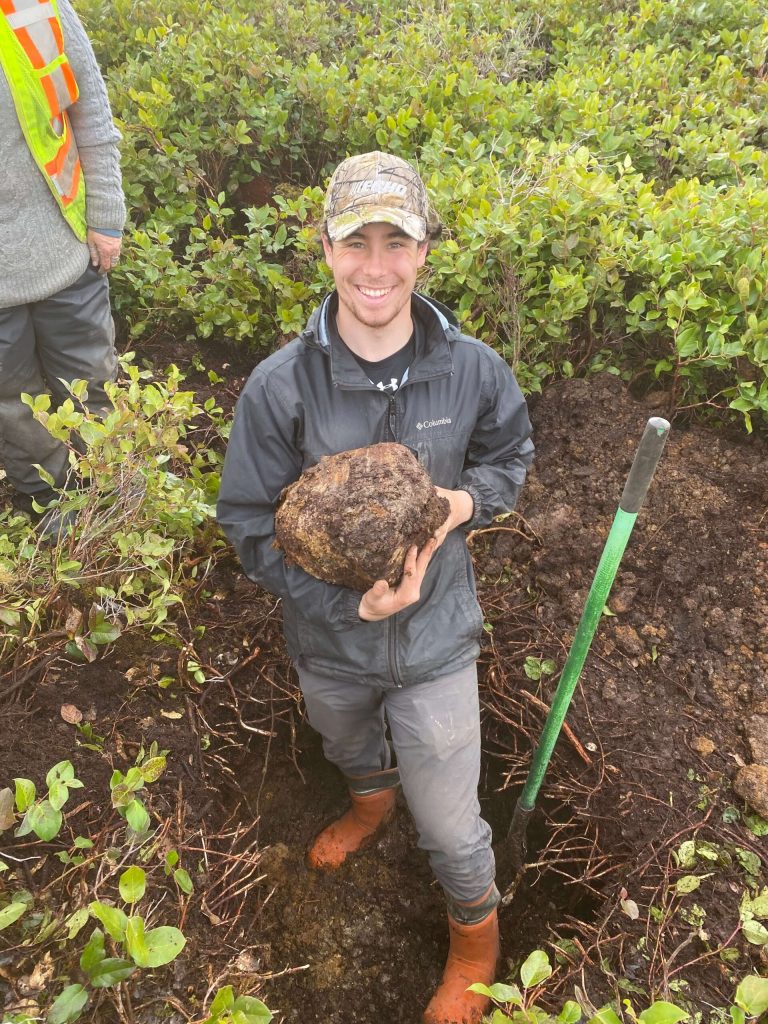
For my first co-op term I have been working as a research assistant with the University of British Columbia, on a project led by Dr. Sue Grayston and master’s student Christophe Boyer. The project is a collaboration between UBC, the Ministry of Forests, and Taan Forest, a Haida owned forest company in Haida Gwaii. The goal of the project is to assess the effects of nitrogen fertilization on western redcedar in Haida Gwaii.
For the first five weeks of my work term our team was in the field collecting data and samples from our plots located in some of Taan Forest’s replanted cutblocks. During these days I got to do tasks like measuring tree heights, digging soil pits, and taking plenty of notes. Now, my supervisor and I are working in the lab at UBC, where we spend our time processing or analyzing our samples. Each day I may be doing anything from drying, sieving, and encapsulating soils to measuring their pH levels. I have learned an immense amount this work term, about soil science, the research process, and forest management in Haida Gwaii. Co-op has been a very valuable companion to my knowledge gained in the classroom and has helped me develop connections and learn more about a potential career path.
Research & Communications Intern at Automotive Retailers Association in Burnaby, BC
For my first co-op work term, I have been working remotely with the Automotive Retailers Assocation (ARA) as a Research & Communications Intern. My job mainly focuses on electric vehicles and how they affect the environment and the BC economy. My main responsibilities include: completing electric vehicle training courses from the ARA website, monitoring complete ICBC salvage sales, writing blog posts about electric vehicles, performing large quantity data analysis, researching up to date electric vehicle topics, updating previous electric vehicle research papers, and presenting research proposals to my supervisor and other co-workers.
I’ve learned a lot more about electric vehicles and how they impact the environment, as well as how they have huge potential in the automotive industry. I’ve also gained a lot of knowledge about different laws and initiatives that the government has concerning electric vehicles. I’ve improved my research skills, writing skills (specifically for blog post/article writing), and data analysis skills. By completing the electric vehicle training courses on the ARA site, I learned about mechanical repair and motor dealing. This job was great for my degree, because it focused a lot on electric vehicles and sustainability. It made me more aware of different types of renewable technology and environmental initiatives. I would highly recommend the co-op program because this job has allowed me to dive deeper into the content that I learned in class. The skills that I have learned will also help me with my future job search, and also allow me to apply what I learned to my classes back at UBC.