Laboratory Research Assistantat Canfor in Burnaby, BC
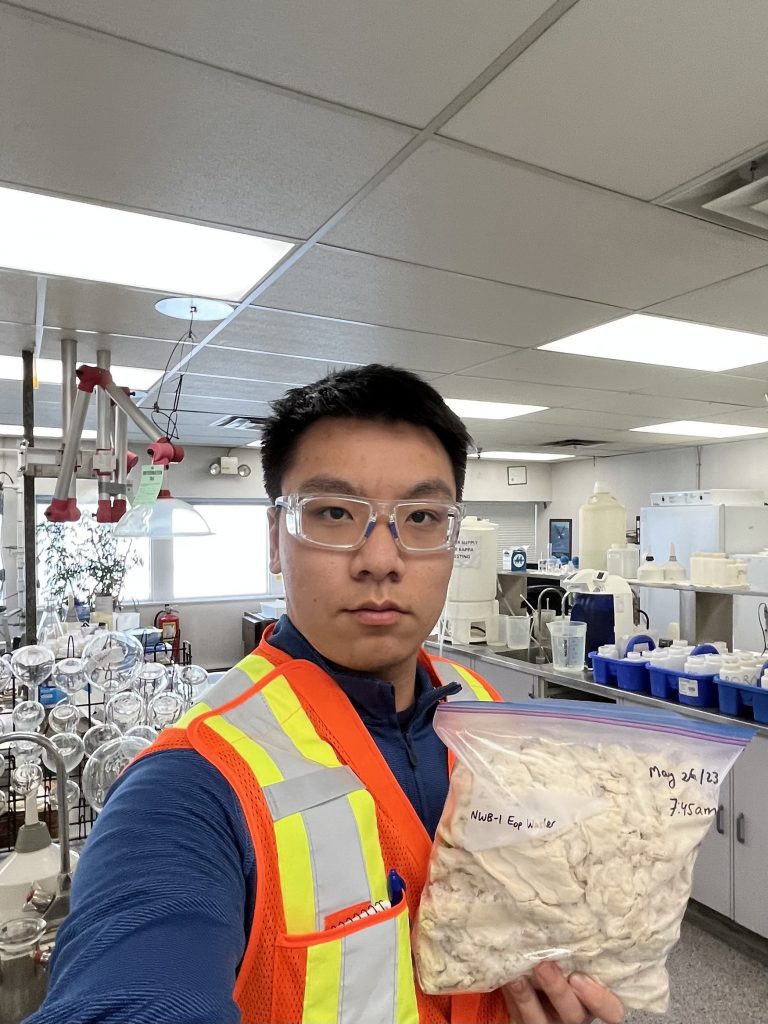
I am continuing my work term as a Laboratory Research Assistant at Canfor Pulp Innovation for my third co-op work term. This May, I got the opportunity to go to the Northwood Pulp Mill in Prince George with several other staff members to conduct a fibreline audit. During this audit, we followed certain sets of chip samples, tracked when they would reach certain digesters and machines, and collected pulp samples at calculated times based on the operating speed of the machines. We brought those collected pulp samples to the pulp mill’s laboratory and dewatered them to remove chemicals such as black liquor, and we would bring those dewatered samples back to our workplace in Burnaby for further testing and refining. I was able to gain a broader perspective on how pulp mills operate and I also got to look at how pulp mills process pulp into their final form as machine room pulp sheets, which are sent to our workplace for additional refining and testing. I am grateful to be part of the Co-op program because it has allowed me to try out different career possibilities that are relevant to my studies, as well as experiencing more opportunities while maintaining my full-time student status.
Undergraduate Research Assistantat UBC Faculty of Forestry & Environmental Stewardship in Vancouver, BC
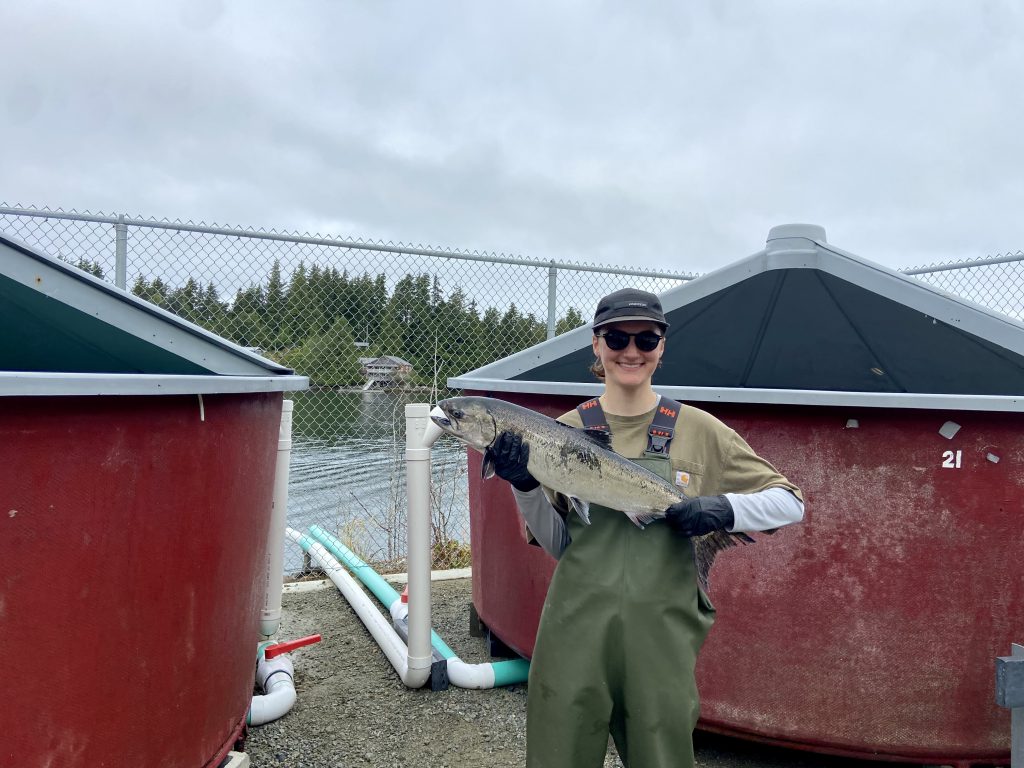
This summer I have been working as an undergraduate research assistant in the Pacific Salmon Ecology and Conservation Lab. I have mainly been working at the Bamfield Marine Science Centre on Vancouver Island on a project studying the impact of angler catch and release methods on Chinook salmon survival. During this co-op term, I have been able to learn about research relating to salmon, the biology of salmon, and the complex issues surrounding their health and survival. Through this project I’ve had the opportunity to fish for Chinook salmon in Barkley Sound, which has been an incredibly unique and exciting experience. I learned how to catch, assess, monitor, and perform a necropsy on Chinook salmon. Working with the Pacific Salmon Ecology and Conservation Lab has been a great opportunity to assist with cutting edge research in salmon, and to gain experience with participating in research. This co-op term has allowed me to incorporate and build upon knowledge I gained from my previous co-op terms. This is my final co-op term, and has been a great way to end my co-op career!
Environmental Co-opat Teck Coal Limited in Sparwood, BC
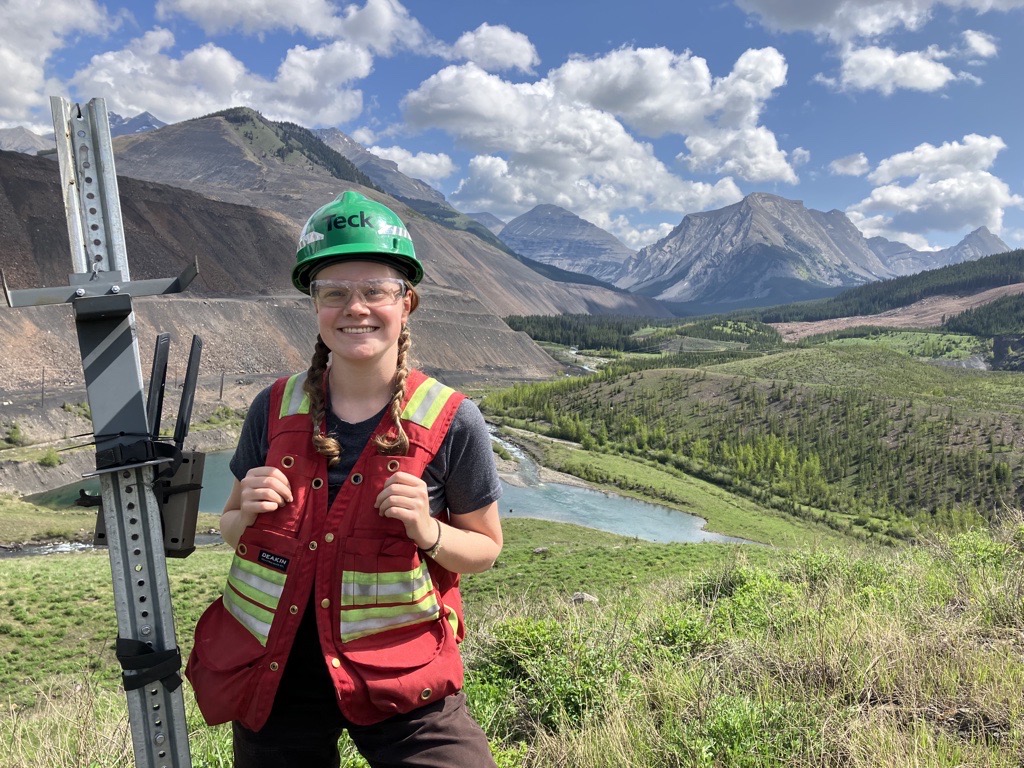
For my fourth co-op work term, I’m working as an Environmental Co-op with Teck Coal Ltd. This is my second consecutive work term with Teck, and I’ve been working closely with the Fish Team, focusing on fish habitat, planning, and monitoring. This summer I’ve been working mostly in the field, assisting with contract supervision of fish salvages and barrier assessments. I’ve also been helping with stream temperature monitoring and spawning surveys. One of my main duties this term has been leading our team’s offsetting and recovery camera program, where we set up trail cameras to qualitatively monitor offsetting and recovery habitat, drying and stranding areas, and overwintering conditions to support the recovery of Westslope Cutthroat Trout in the Upper Fording River. This co-op position has allowed me to not only develop a variety of field and office skills, but also network with contractors and learn more about future career options.
Assistant Community Gardenerat Village Vancouver in Vancouver, BC
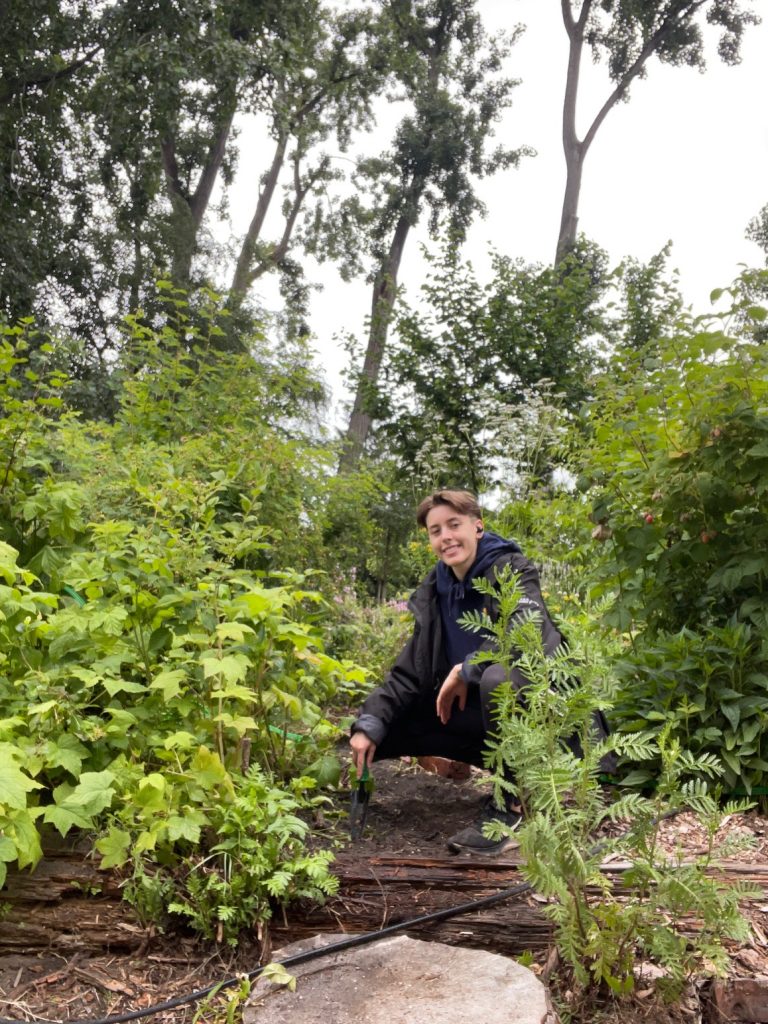
This past summer work term, I had the pleasure of working with Village Vancouver, a local environmental organization. Village Vancouver works to take action and build resilient and sustainable communities with the rising threat of climate change through the creation of walkable transition villages. During my time working with Village Vancouver, I had the opportunity to build food gardens, learn about irriagtion systems, and get involved in community development projects. Overall, this summer co-op has been a valuable learning opportunity and great chance to explore and enjoy gardens all across Vancouver.
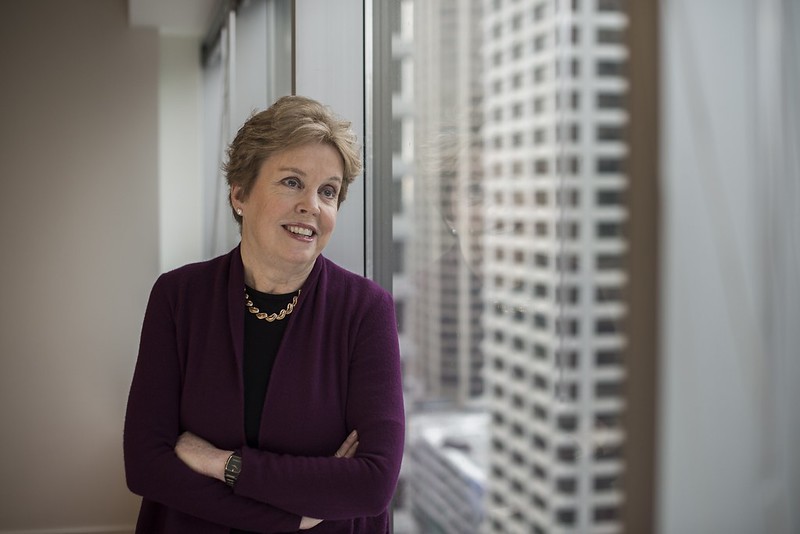
While working for then BC coastal forest company MacMillan Bloedel in the early days of her career, Linda Coady (BA’74) took part in discussions to resolve land use conflicts over Clayoquot Sound and the Great Bear Rainforest. It was the 1990s, and the concept of sustainability was still in its nascency. However, Linda saw an opportunity that set the course of her career.
Before her current role as the President and CEO of COFI, as of July 2022, Linda served as Executive Director of the Pembina Institute – a leading Canadian think tank on energy, climate and environmental issues. She was also Chief Sustainability Officer for Enbridge Inc, Vice-President of Sustainability for the Vancouver 2010 Olympic Games, Vice-President of the pacific region for World Wildlife Fund Canada and Vice-President of Environmental Affairs with MacMillan Bloedel and Weyerhaeuser. At UBC, Linda taught corporate social responsibility as a Sessional Lecturer with the Sauder School of Business from 2011- 2012, and worked on new models for sustainable finance and disclosure. We sat down with Linda to learn more about her work and the evolution of sustainable approaches to forestry in BC.
When did you realize that you wanted to pursue sustainability in your career?
When I was first involved in land use issues on the BC coast, I saw how sustainability principles could be applied on the ground to help resolve conflict. The United Nations’ Our Common Future Brundtland Report had just been released in 1987, and the Earth Summit in Rio happened five years later. The Rio declaration put the first global ‘flag in the ground’ that sustainability and environmental concerns are integral to development. Subsequent multigovernmental commitments to work collaboratively to meet emerging sustainability goals made me realize that this was a movement I wanted to be part of.
What potential did you see in sustainability frameworks and how have they changed with time?
At first, I saw these frameworks as a means to address objectives around environmental stewardship and conservation. On the BC coast, this necessarily included sustainable forest management, Indigenous rights & reconciliation and the development of new partnerships, policies and technologies. I grew to understand that taking a sustainability approach requires consideration of social, economic and environmental dimensions. Today, sustainability is a lot more rigorous. Perhaps not quite a science, but it now comes with metrics, measurements, standards, benchmarks, reporting and accountability.
How is diversity and inclusion part of the bigger sustainability picture today?
Most sustainability frameworks started out with a focus on environmental indicators. Then, social indicators, such as diversity, equity and inclusion in the workplace and on other issues, became a pillar in reporting on sustainability and Environmental, Social and Governance (ESG) performance. So, companies, governments and investors using these frameworks are also now required to disclose how they are managing risks related to the social dimension of their activities. This largely stems from the growing acceptance of the importance of incorporating differing opinions and belief systems in business decision-making, along with an acknowledgment that cultural histories and backgrounds influence perceptions of the validity of different approaches.
In BC, Indigenous rights and reconciliation are central to discussions on sustainable forest management, as well as the transition to managing for ecosystem and community resilience. Ultimately, the hope is that by being more inclusive and having more people at the table, we’ll be able to equitably identify better solutions to very big challenges, such as climate change, minimizing our impact on the envi-ronment and maximizing our resources in order to lead more sustainable lives.
How can forestry help reach federal and provincial net-zero emissions goals by 2050?
All sectors of the economy will need to be involved in the movement to net-zero by 2050, and making measurable progress by 2030. The forest industry in BC and Canada is developing roadmaps and identifying areas where emissions can be driven down at the operating level and in the form of carbon storing products, materials and biofuels. These climate smart forestry approaches include managing forests for climate change, such as mitigating fire risk and biodiversity loss. A lot of attention is also being directed to identifying new value-added wood products, as well as expanding mass timber and other engineered forest products for tall wood building construction and green building systems in the province and abroad. These innovations open the door to more skilled jobs and forward-thinking approaches to the use of new forest tech and the production of renewable materials for construction, the bioeconomy and pulp and paper.
This article was originally published in the Spring 2023 issue of Branchlines Magazine. View the full issue here.
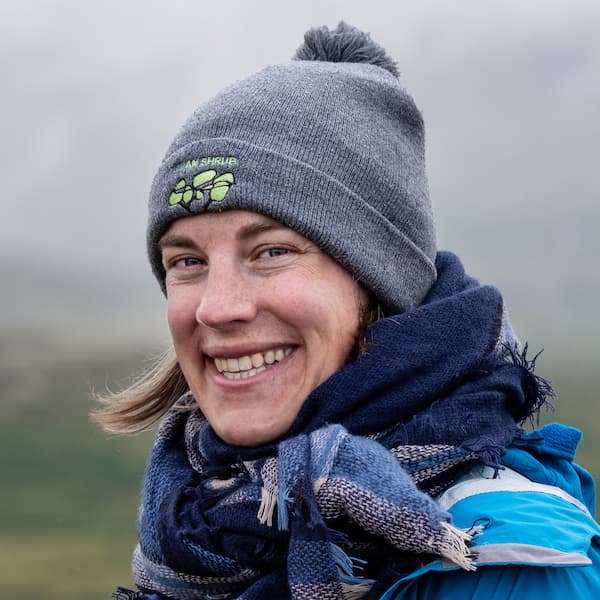
Isla investigates global change drivers and impacts with a focus on tundra ecosystems. She works at sites across in the Canadian North and conducts data syntheses at tundra-biome and global scales. Over two decades of research in the Arctic, she has studied how tundra ecosystems beyond the latitudinal and elevational treeline are responding to climate change. Her research explores how an accelerating warming is leading to a ‘greening’ of the Arctic including an increase in shrubs, shifts in the timing of plant growth and altered tundra biodiversity. Her research group works with a variety of tools from measuring tapes and quadrants through to time-lapse cameras, drones and satellite data to capture tundra vegetation change across scales. Isla communicates to broad audiences and works collaboratively with local communities to better understand environmental change in the Arctic and beyond.
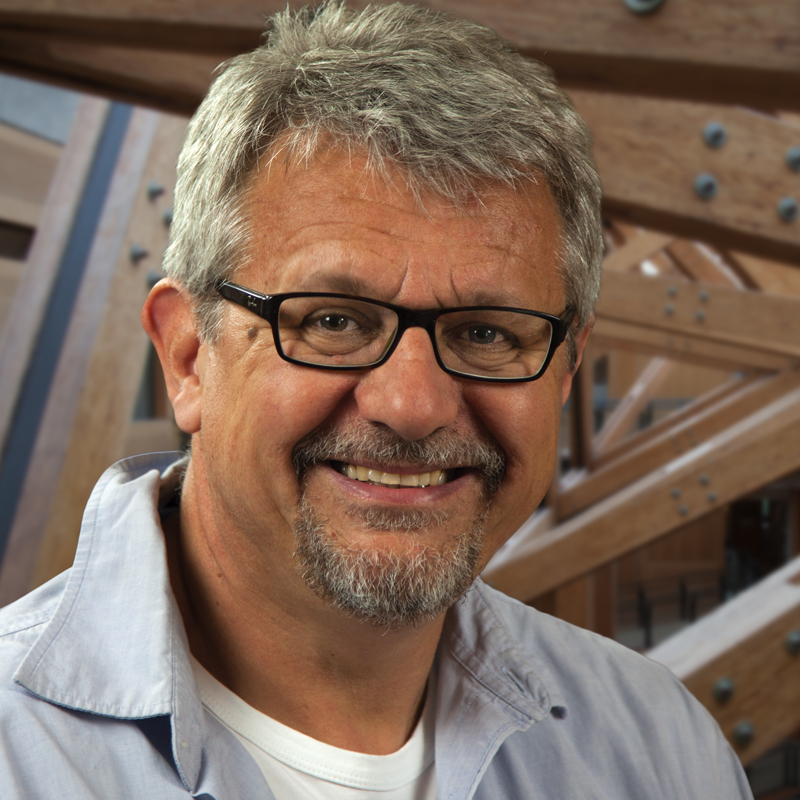
As the Head of the Department of Wood Science at UBC, Professor Avramidis has spearheaded groundbreaking research that has propelled the understanding of wood-water relationships, non-destructive timber evaluation processes, and diverse wood drying methodologies. With close to 300 publications, he is an accomplished author and highly respected reviewer for science journals, publishers, and research foundations. Through his exceptional leadership and pioneering research, Stavros continues to inspire and advance the field of wood science.
About the International Academy of Wood Science
The Academy was established on June 2nd, 1966, and is a non-profit assembly of wood scientists, recognizing all fields of wood science with their associated technological domains, and securing a worldwide representation.
Fellows of the IAWS are wood scientists who are elected as actively engaged in wood research in the broadest sense, their election being evidence of high scientific standards.
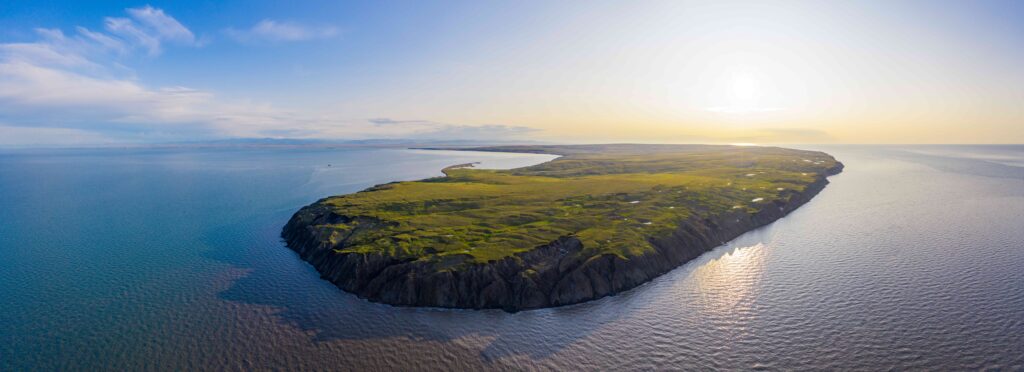
Qikiqtaruk – Herschel Island along the Arctic Coast of the Yukon Territory, Canada is at the forefront of climate change. (Credit: Jeff Kerby)
Virtual reality (VR) technology continues to push the boundaries of innovation, and its potential to create meaningful experiences is being harnessed in a project that recently won the “Best in Category: Visualize” at the XR Prize Challenge: Fight Climate Change. Led by UBC Forestry & Environmental Stewardship Professor Isla Myers-Smith, the collaborative effort between National Geographic Explorers and local communities resulted in the development of “Qikiqtaruk: Arctic at Risk.” This ground-breaking VR project offers an immersive journey to Qikiqtaruk, an island in the Canadian Arctic, which serves as a poignant backdrop for exploring the impacts of climate change.
Unveiling the Arctic’s Climate Crisis
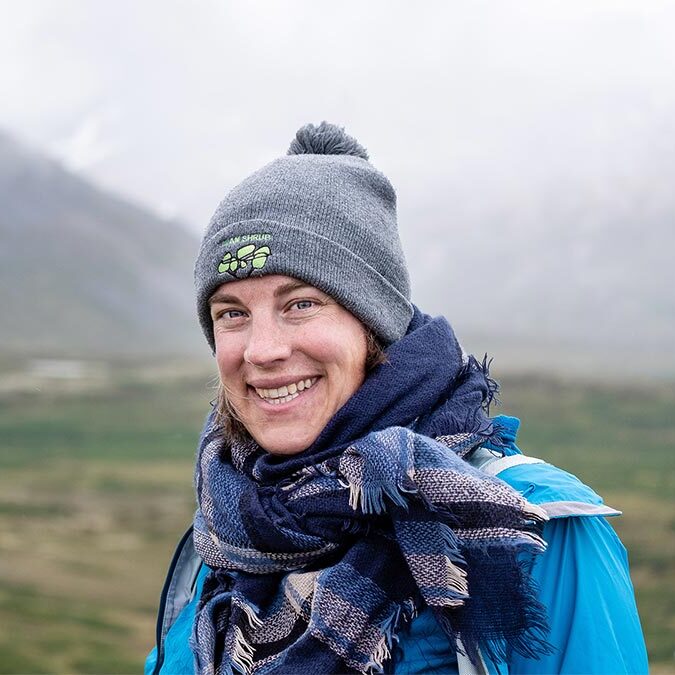
Isla Myers-Smith
Isla has been conducting research on Qikiqtaruk – Herschel Island in the Western Arctic since 2008 teaming up with Indigenous park rangers and government biologists to monitor the responses of tundra ecosystems to climate change. “If we want to understand how climate change is impacting the Arctic, we all need to work together combining Indigenous knowledge with scientific data to build the best picture we can of how these systems are changing.”
This project brought together scientists, park rangers, educators, and immersive content creators to shed light on the effects of climate change in the Arctic. The collaboration involved National Geographic Explorers Jeff Kerby, Isla Myers-Smith, and Martin Edström, along with Senior Park Ranger Richard Gordon and Aurora Research Institute Outreach Coordinator Annika Trimble from Inuvik, Arctic Canada. Their combined efforts aimed to present both Inuvialuit and scientific perspectives on the issue.
The Urgency of Arctic Climate Change
The Arctic region is experiencing a warming trend four times faster than the global average, as highlighted in the 2022 IPCC report. Isla emphasizes the urgency of understanding and addressing the situation. With melting sea ice, shifting vegetation patterns and thawing permafrost, the Arctic faces a multitude of challenges. These changes disrupt local transportation, threaten heritage sites along the coast and potentially double the concentration of greenhouse gases in the atmosphere. However, due to the remote nature of these occurrences, perceiving the causes and consequences of climate change can be challenging.
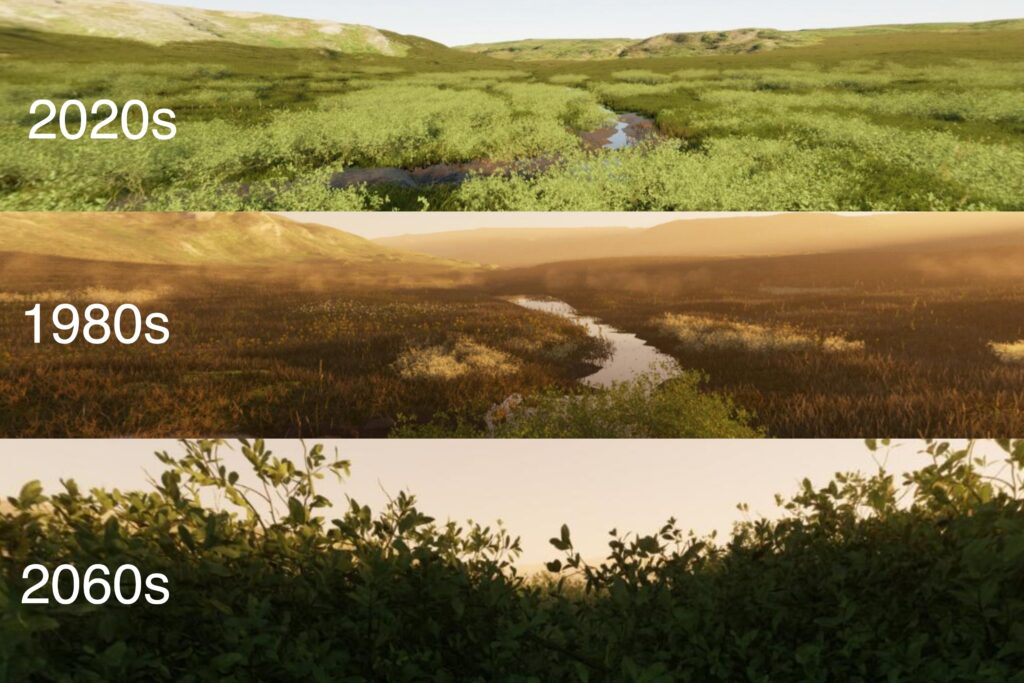
A comparison of shrub encroachment in VR. (Credit: Qikiqtaruk — Arctic at Risk)
Harnessing Immersive Technology for Change
Jeff Kerby, a researcher and science photographer at Aarhus University, Denmark, recognizes the power of immersive technology in bridging this communication gap. He asserts that people who directly witness and experience the impacts of climate change are more likely to take action. With this in mind, “Qikiqtaruk: Arctic at Risk” was developed as an interactive VR experience, transporting users to the heart of Arctic climate change on Qikiqtaruk, also known as Herschel Island.
Embarking on a Virtual Journey
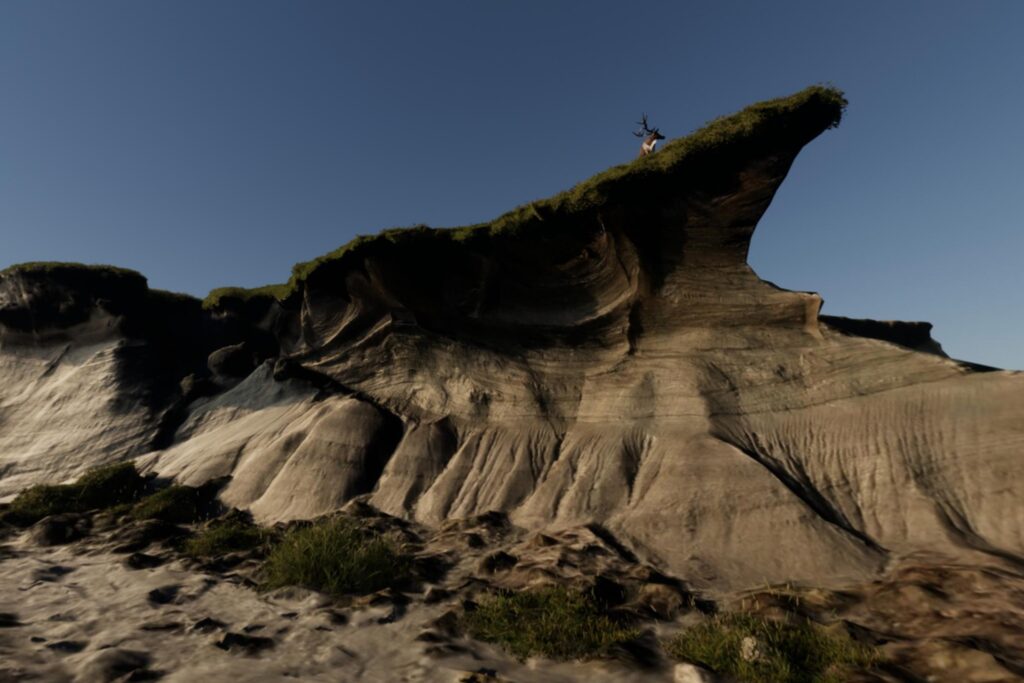
The VR experience allows users to explore the island and perceive the drastic changes occurring due to climate change. From the thawing of frozen ground to the encroachment of shrubs and the flooding of a historic settlement, the journey provides a vivid representation of the rates and magnitudes of environmental transformation. By enabling users to witness these changes firsthand, the project aims to evoke empathy and prompt action.
Isla shares how a global pandemic helped inspire this project. “When the pandemic hit, we could no longer get to our field sites and we had time to put our drone imagery and scientific data to a different use. We developed this virtual reality experience with our northern partners to visualize climate change impacts to communicate the rates and magnitudes of change occurring on Qikiqtaruk. When you see climate change impacts with your own eyes, you are more likely to advocate for climate action.”
Drone imagery and field-collected soundscapes were used to create an immersive digital experience to communicate climate change impacts. (Credit: Qikiqtaruk — Arctic at Risk)
A Fusion of Authenticity and Scientific Data
To create a truly immersive environment, the project incorporates field-collected drone imagery and authentic soundscapes captured from Arctic ecosystems. The VR experience leverages real scientific data and local perspectives, weaving together a compelling narrative narrated by Richard Gordon and Isla. This fusion of authenticity and scientific rigor enhances the credibility and impact of the project.
Accessibility and Collaboration
The “Qikiqtaruk: Arctic at Risk” VR experience has been designed for easy accessibility, catering to a wide range of devices and platforms. It can be enjoyed on VR headsets, regular computers, or even mobile devices, making it accessible to audiences across the globe, including Arctic communities themselves. This inclusive approach ensures that the project’s message reaches diverse audiences.
Isla points out that: “Climate change threatens the way of life for Northern communities. But, local people aren’t always able to visit sites further from their homes due to challenges of travel and high fuel costs. The VR environment allows Arctic people to see the rates and magnitudes of change in their homeland, and think about how they can best manage those landscapes for the future.”
“Qikiqtaruk: Arctic at Risk” showcases the power of virtual reality in raising awareness about climate change and its devastating effects on the Arctic region. By merging scientific data, local perspectives, and immersive technology, this innovative project provides an unprecedented opportunity for users to understand and engage with the challenges faced by Arctic people.
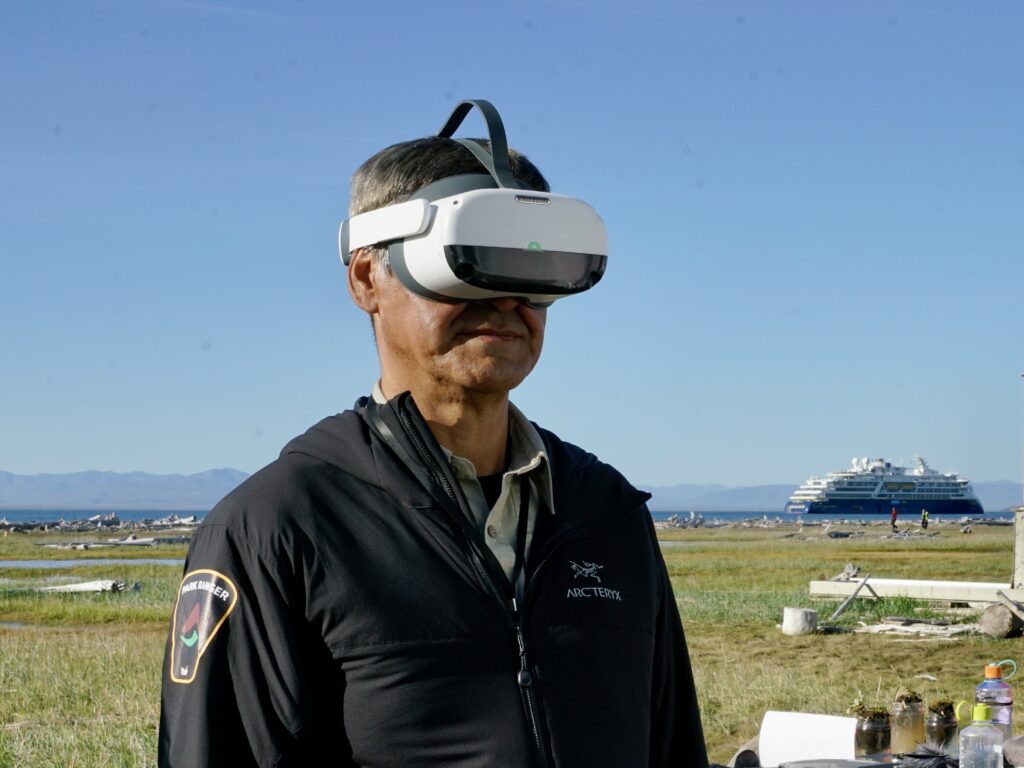
Senior Park Ranger Richard Gordon tests out the virtual reality environment on Qikiqtaruk in August 2022. (Credit: Isla Myers-Smith)
Isla and her research team have just returned to the Arctic to continue their Arctic climate change research and further develop the VR project. “This summer are taking the VR experience into Arctic communities. I am just back from the town of Akalvik where we shared the experience in the school and at a community event. It was great to see everyone from young children and high school students through to Elders engaging with this project and chatting about the changes that are going on in the Western Canadian Arctic.”
Through virtual exploration of Qikiqtaruk, individuals from around the world can gain a deeper appreciation for the urgency of addressing climate change and its impact on fragile ecosystems. As the project prepares for its public release, it holds the potential to inspire action and drive meaningful change in the fight against climate change.
After cutting her teeth on research and tree planting, UBC Forestry & Environmental Stewardship alumnus, Tara Bergeson (BSF’09) entered the then emerging field of urban forestry. Now the Urban Forestry Supervisor with the City of Kelowna, Tara has played a key role in community greening and wildfire preparedness projects, including Kelowna’s most recent wildfire resiliency plan. With many years in the field under her belt, we were grateful that Tara sat down with us to share insights from her career, both past and present.
How did you first become interested in forestry?
I grew up in Riding Mountain National Park in southern Manitoba, where my grandfather was a park warden. He would often take me patrolling with him on horseback, so I appreciated protecting the land from an early age. When I was 18, I fell in love with tree planting. That’s also when I found out that forestry was a career option. Through my UBC Bachelor of Science in Forestry (Forest Resources Management) program, I secured a work placement with Bruce Blackwell (BSF’84, MSc ’89) in wildfire and stand rehabilitation in mountain pine beetle-affected areas near Williams Lake. Following that, I completed a Master of Science in Natural Resource and Environmental Studies at the University of Northern BC, which took me to northern Uganda, where I studied the relationship between the environment and health.
What drew you to urban forestry, in particular?
During my undergrad, I was hired to inventory all vegetation in Stanley Park – from trees to shrubs, ferns and coarse woody debris – after the 2006 windstorm that leveled 41 hectares of the forest. We crawled all over the place to plot each hectare of Stanley Park. I absolutely loved the work and being part of a team that was protecting and restoring a central pillar of Vancouver’s natural environment. Our data informed part of the first urban forest management plan for Stanley Park, which coincided with a time when urban forestry was entering the scene as a viable career option. Through each step of my professional journey, I continued finding connections between people and places, ultimately landing my dream job as Urban Forestry Supervisor with the City of Kelowna. My work there ties together community and environmental needs, such as wildfire protection, parks management and development and planning.
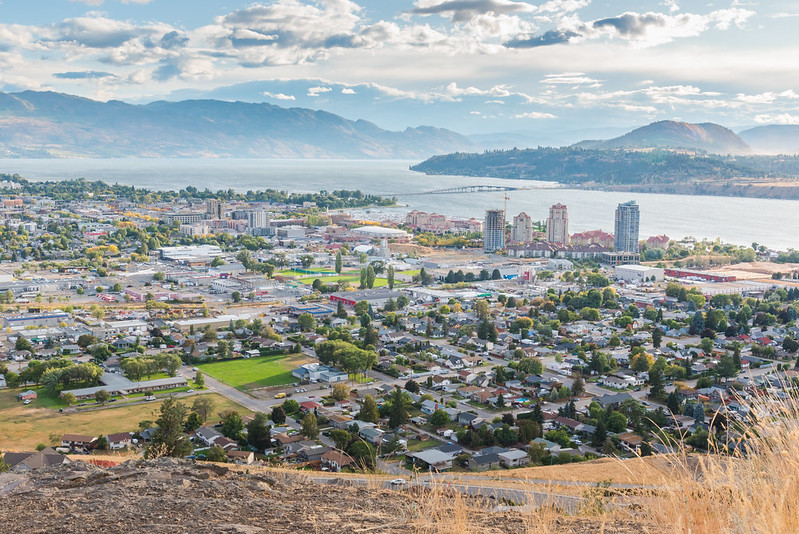
Aerial shot of downtown Kelowna, BC.
What’s an example of a forest management initiative you’ve worked on?
Over the past five years, I’ve been helping to grow our NeighbourWoods program, which makes available subsidized trees for residents to purchase to increase canopy cover on private properties. Since it began, the program has resulted in the planting of over 6,000 trees, and is a significant contributor to our urban forest.
What aspects of your role with the City of Kelowna are you particularly passionate about?
Wildfire is something that I’ve always been very passionate about. I was tree planting in Barriere during the devastating 2003 Okanagan Mountain Park Wildfire, and was one of the over 33,000 people evacuated from the area. This fire prompted Kelowna to create its first community wildfire protection plan in 2004 – the first of its kind in the province. In my role, I’ve been proud to have overseen several initiatives to reduce fire risk in Kelowna. The neighbourhood chipping program I initiated in 2022 removed almost 100 metric tonnes of hazardous landscaping material that could pose a fire risk from over 250 community homes. We also created a FireSmart Kelowna website that provides information on how to reduce fire risk to homes by following steps such as cleaning gutters, installing fire-resistant windows, planting fire-resistant plants, keeping grass trimmed and keeping roofs clear of combustible branches and other debris. In general, though, I love the diversity of urban forestry. My role touches on everything from policy to operations, forest management, media relations and community outreach.
This article was originally published in the Spring 2023 issue of Branchlines Magazine. View the full issue here.
On behalf of UBC Forestry & Environmental Stewardship, congratulations to Dr. Nolan Bett and Dr. Scott Hinch on becoming UBC Sustainability Fellows!
About Nolan Bett
As a lecturer in the department of Forest and Conservation Sciences at UBC, Nolan’s research focuses on sensory perception in Pacific salmon and how environmental stressors impact their behaviour. With a diverse background in animal behaviour, ecology and conservation, he is passionate about scholarly teaching and learning, and aims to bridge the gap between scientific knowledge and its application in society.
About Scott Hinch
As a professor in the department of Forest and Conservation Sciences at UBC, Scott’s research revolves around the ecology of Pacific salmon and their utilization as a means to investigate hypotheses concerning reproductive strategies, energy allocation, and habitat selection in fish species. His innovative research combines physiology, ecology, behaviour, genomics, and social sciences to understand the impacts of climate change, fisheries, and land/water management on salmon populations.
About UBC Sustainability Fellowships
Sustainability Fellowships are granted to full-time UBC Vancouver faculty members who are spearheading the development of innovative sustainability courses and programs, supported by a Sustainability Education Grant. Funding from the grant program supports curriculum development centred on transformative learning that incorporates experiential, applied and interdisciplinary sustainability education principles.
For the duration of the grant, recipients become Sustainability Fellows and join a cohort of faculty that meet monthly to exchange ideas and collaborate to advance sustainability education at UBC.