The University of British Columbia’s Malcolm Knapp Research Forest (MKRF) is seeking two highly motivated UBC students (one undergraduate and one graduate) to assist research forest staff with a major urban forestry and arboretum development project. The MKRF is an outdoor living laboratory for research and education – and a public space used by local hikers and tour groups. The Faculty of Forestry & Environmental Stewardship and MKRF are currently planning to develop a new Welcome & Education Centre at the entrance to the forest. These plans include upgrades and restoration to several outdoor spaces, with an opportunity to integrate and showcase urban forestry practices and upgrade an existing arboretum collection of 50-year-old trees from around the world. Student research assistants will help create the content for and design the interpretive signs while also working with interested parties, such as the UBC Faculty of Forestry & Environmental Stewardship Urban Forestry Department, Diamondhead Consulting and the City of Maple Ridge to design new urban forestry demonstration spaces near the existing arboretum. The successful candidates will work closely with all staff members, including the manager, resident forester, research coordinator, education programming and administrative staff. By the end of the project, the student interns will have grappled with key questions like “how does one teach people about urban forests?” and integrated answers to these questions into classroom exercises for subsequent Field Schools.
See the link below for more information and how to apply.
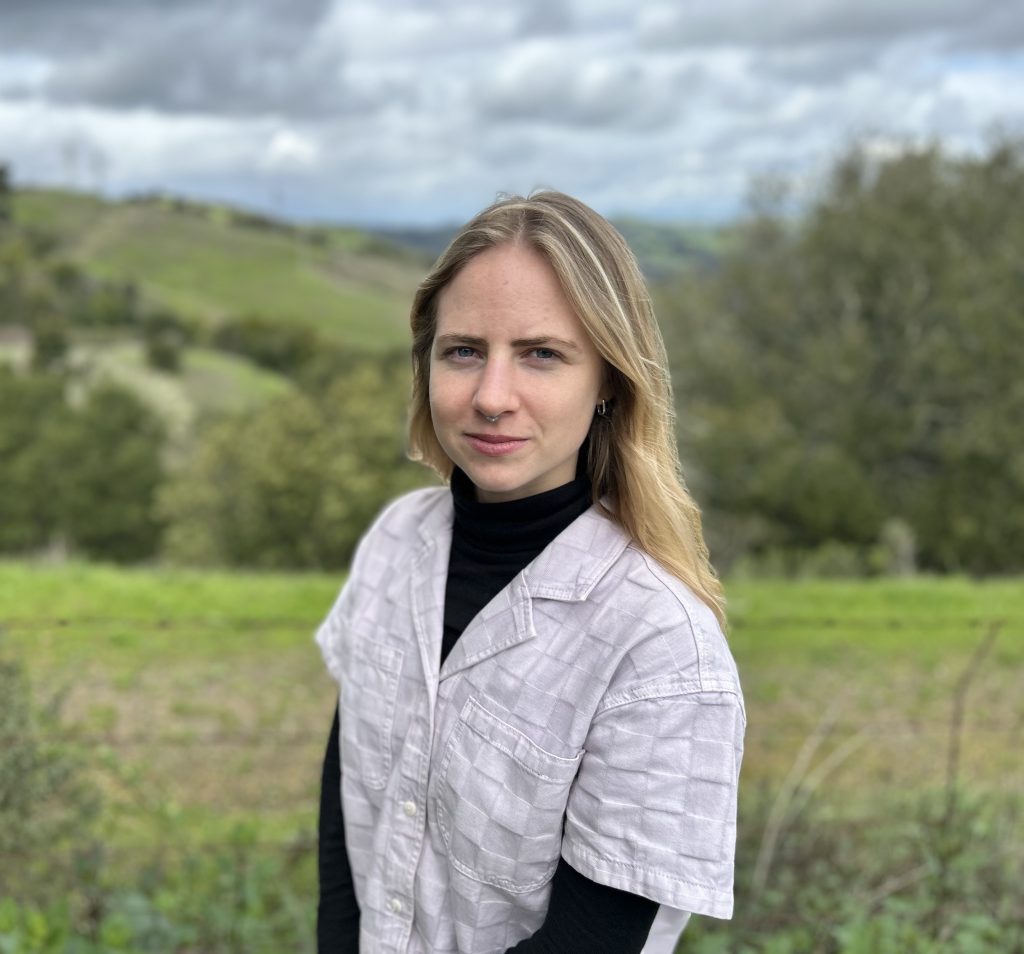
UBC Forestry & Environmental Stewardship would like to congratulate Kea Rutherford on receiving the Faculty of Forestry & Environmental Stewardship Best Master’s Thesis Award for 2023.
Extreme wildfire seasons in western North America pose a significant forest management challenge, prompting proactive implementation of fuel treatments. This thesis assesses the efficacy of alternative fuel treatments in mitigating fire behavior and effects in southeastern British Columbia’s dry forests, revealing that while removal of small trees reduces passive crown fire risk, concurrent removal of larger trees is necessary to mitigate active crown fire, with residue fuel management showing potential but raising concerns about residual tree mortality.
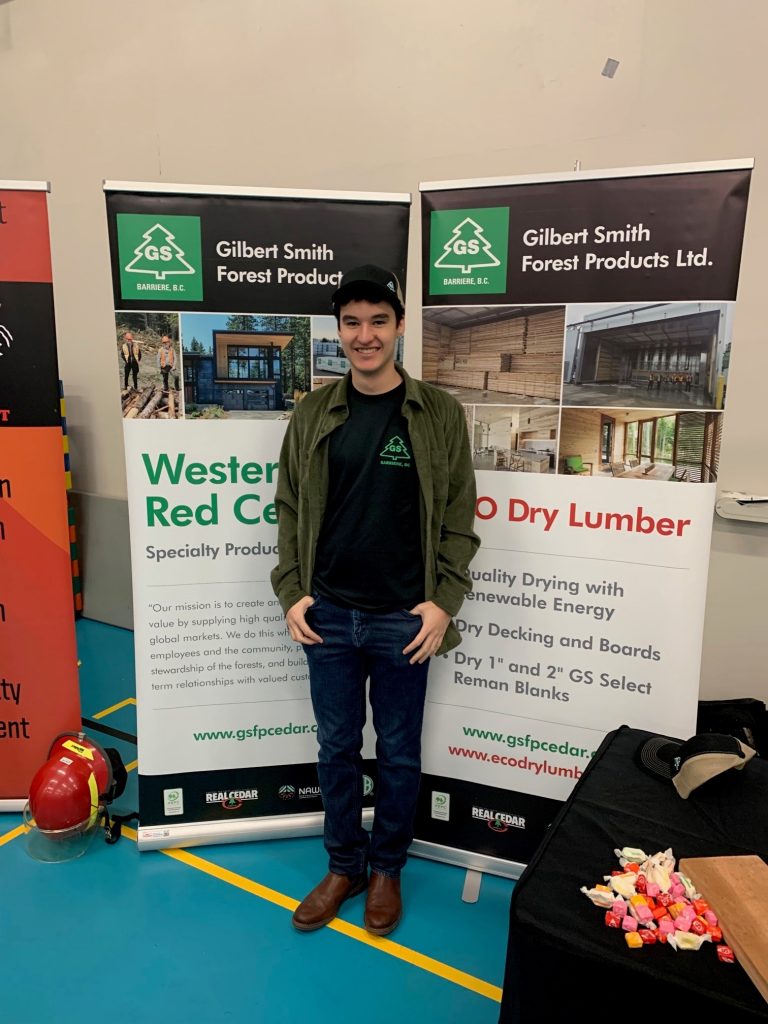
Process Development & Quality Control Assistant; Gilbert Smith Forest Products Ltd.
My name is Miguel Paulhus and I am currently in Barriere doing my coop. I am working for Gilbert Smith Forest Products in Process Improvement and Quality Control. Currently I have been working on different trials to improve recovery and production time while learning from the different people at the sawmill how things work and what to look for when running tests.
I have also been learning a lot about how to operate the kiln and the drying process. I even got a chance to go to a career fair and talk about what it is like working at a sawmill!
Venturing far from the familiar landscapes of British Columbia, last summer the UBC Forestry & Environmental Stewardship students of CONS 454 found themselves amidst the breathtaking biodiversity of South Africa for their field school experience. Surrounded by rugged terrain and diverse ecosystems, their education took on a new dimension. Explore UBC Forestry & Environmental Stewardship’s newest field school in South Africa through the eyes of our undergraduates in excerpts from their personal reflections. From encounters with iconic wildlife to grappling with the complexities of conservation efforts, their stories offer a glimpse into the transformative power of immersive learning in one of the world’s most ecologically rich regions.
We grew up with fire, and so did nature by Abigail Herman
When I visited South Africa, I was not shocked to learn that…the death of savannahs is approaching. The overgrown woody trees are not being dialed back from fires so they continue to grow and expand in range, leaving the open spaces to shrink more and more. This leads to an abundance of species that like the trees (especially Elephants) but less for the species that predate in open spaces or eat softer vegetation like grasses (cheetahs, white rhinos). Being behind schedule for fires in these savannahs have additional consequences. I learned that with more trees, the more elephants there are. Elephants love eating the sweet cambium (bark) of the trees, weakening them and leaving them defenseless from fire. Today, when the forest managers are planning a burn, they have to consider not just the fuel type but also the impact from herbivores. You never want to have a large mortality rate of trees from a prescribed burn, there’s no point to that.
I learned that understanding the fire frequency and fire intensities of the season is their current approach to managing and responding to fires. They agree with starting to plan for finding that balance of human values of sharing the landscape with these natural ecosystem processes because that is what these ecosystems are adapted to. Not just fire, but us. Humans. I find it fascinating that we are taking so long to “allow” for humans (especially and primarily Indigenous people) to be back in. Letting people burn. Letting people take. The forest is used to it (to some extent!). On this most recent trip to South Africa, fire ecologist Navashni Govender taught me how we can manage fires and learn from our history as well as our mistakes.
Wildlife Interactions in the Kruger National Park by Tiffany Taketa
“Lions, leopards, and rhinos… oh my!” These past weeks observing wildlife interactions, up-close and in-person were better than any book or documentary I have ever seen. When my mom and I would walk through our neighborhood back home, I never understood what she meant by “that dog looks happy.” I couldn’t see it. “Because he’s smiling.” But dogs can’t smile, can they? How do you know they’re not just hyperventilating? I read a book on cat behavior once and I think it helped me understand what they were expressing. But why? I couldn’t tell you.
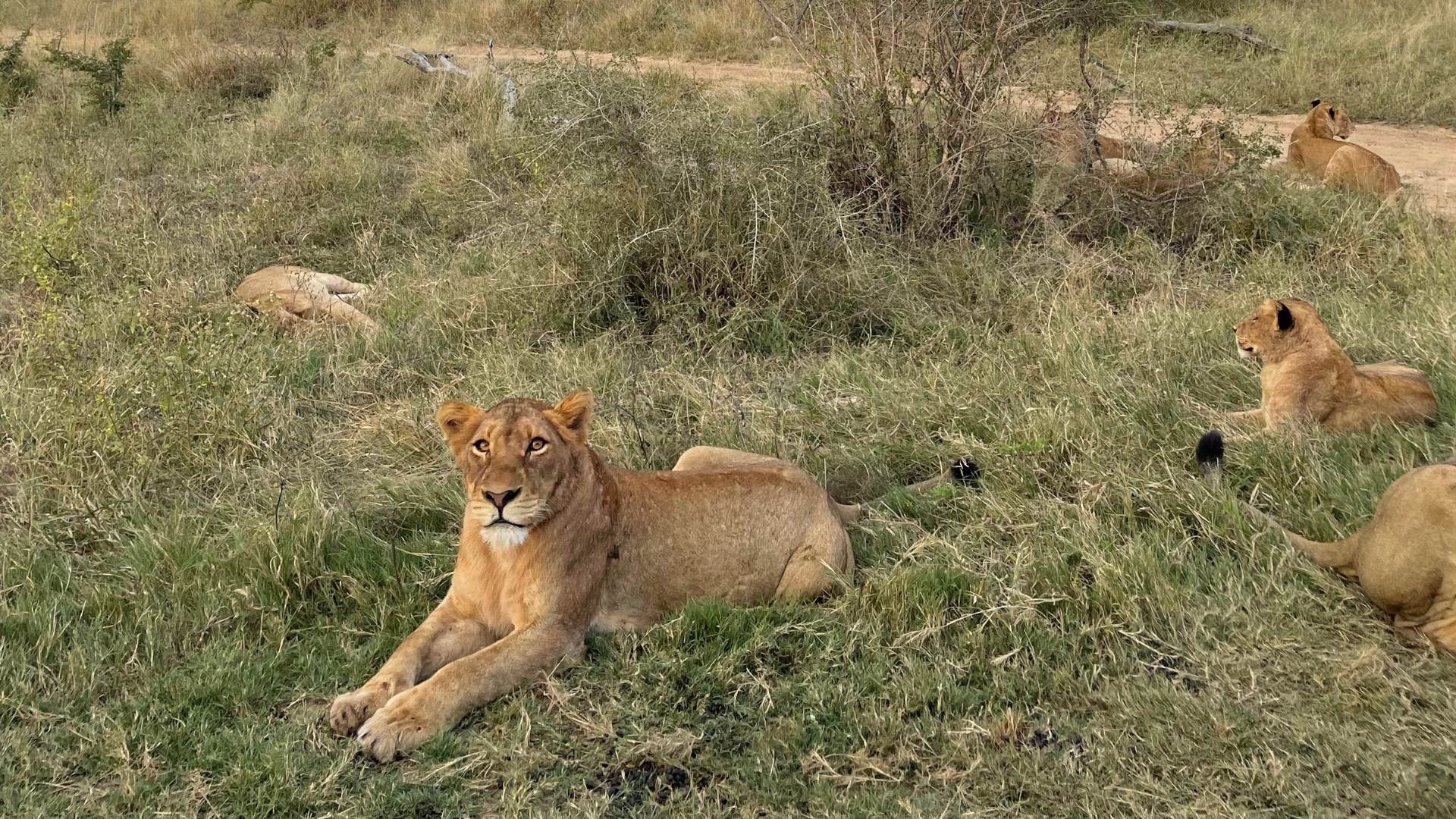
However, in the Kruger National Park it was a different story… lions cuddling, cubs playing, and even a quick nuzzle or a bonk on the head – I could see the smiles and feel how much they loved each other.
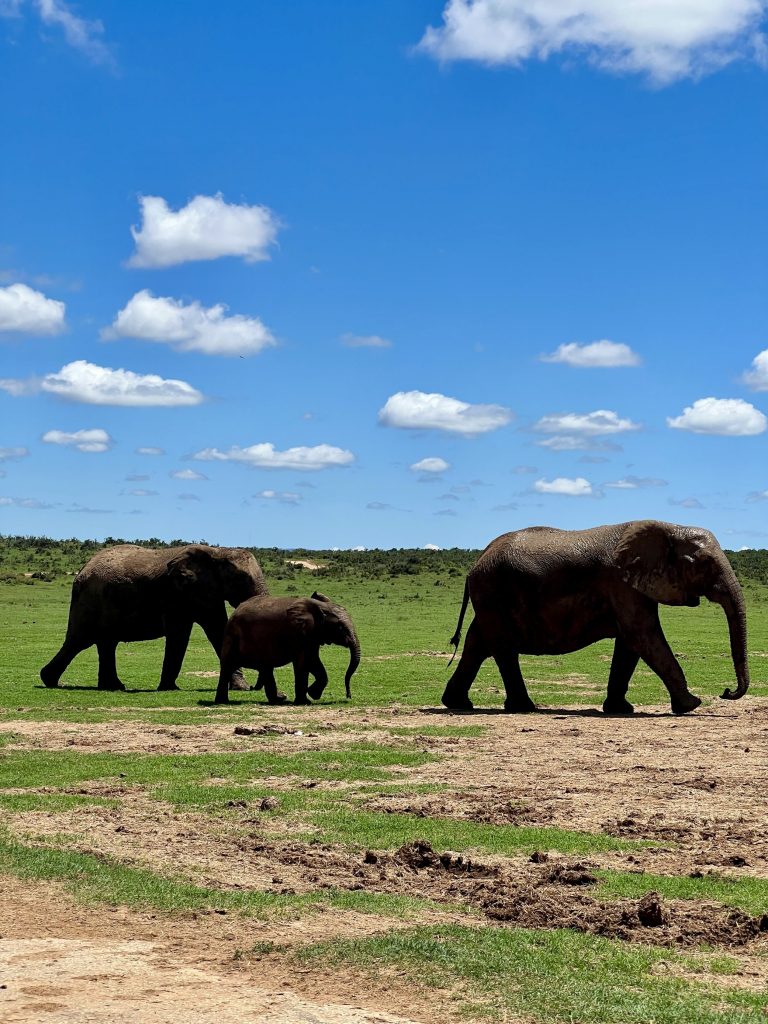
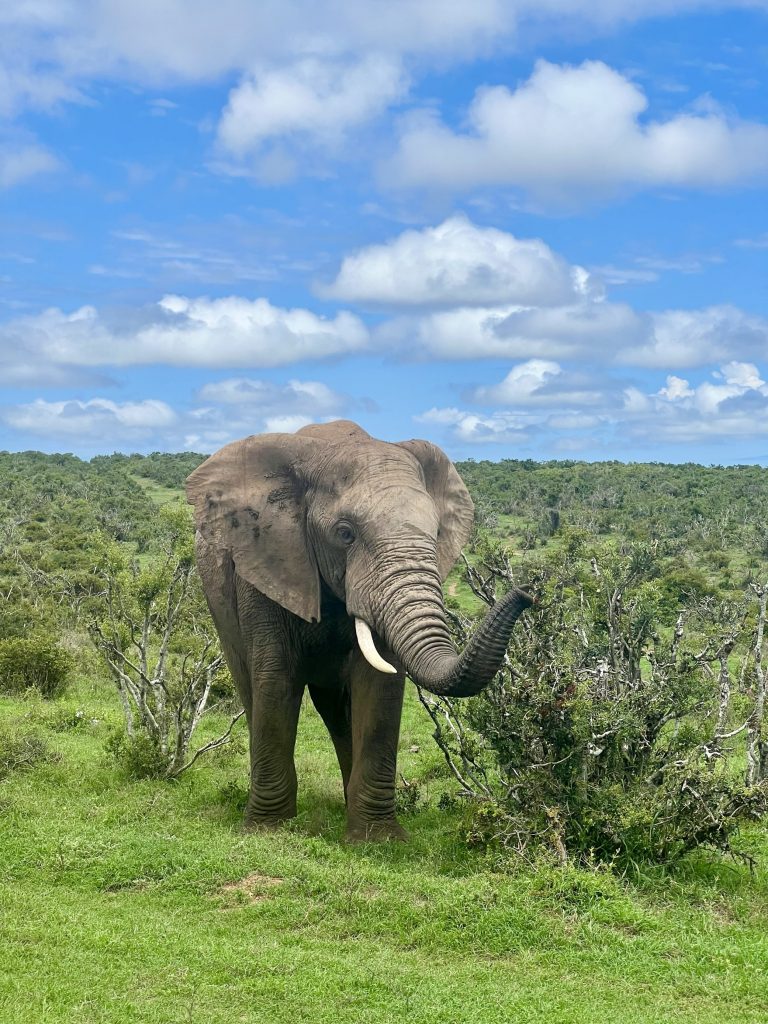
A young elephant practicing his threat displays on us and a wave of the trunk by an adult thanking us for allowing them to cross safely without harming their young.
The soft pitter-patter of a spotted hyena trotting along the road and occasionally stopping to sniff the ground, in search of his pack after escaping from a predator, evident by the patches of bare skin amongst his matted fur.
In addition to specific behaviors, we also learned about how individual wildlife interactions were part of larger socio-ecological processes in the region. For instance, wildlife in the north of Kruger were noticeably more confrontational. In fact, a trend of carnivores preying upon humans, man-eating lions, emerged in the north, unlike in the southern part of the park. But why? In the north, is the border between South Africa and Mozambique, where thousands of refugees from Mozambique crossed through the area, following specific paths, where wildlife have become familiar with their presence and people may have been seen as prey, unlike in the south where there has generally been less people travelling on foot. These sorts of close encounters with wildlife contribute to perceptions of wildlife, such as viewing wildlife as kin, beliefs in witchcraft associated with certain species, and therianthropy (ability to shapeshift into animals). And not only are wildlife and communities interconnected, but the presence of the conservation area itself also influences surrounding communities, whether that is through livestock losses, employment (94% of staff are from villages within 50km of park boundaries), or ability to harvest certain plants and mopane worms, just to name a few things.
Observing wildlife, learning about the reasons for certain behaviors, and the history of the park from our drivers, professors, and other researchers and community members in the park, has changed the way I view wildlife interactions. Even after going back home, I felt like I saw birds and coyotes differently in the way they moved and had a better understanding of their behaviors within a larger context.
Fire in the Savannah by Maddy Brinkman
As we venture through the park, one can see the evidence of fire and its management. Turning on to a new road I can see a stark contrast, the road dividing unburnt from burnt land. To the left, the landscape reveals a vast expanse of blackened, charred earth stretching out towards the horizon. To the right, untouched grasses of brown and yellow sway gently in the wind, among bushes and trees adorned with dried leaves. Faint traces of smoke mingle with the dust, occasionally wafting into our vehicles as we pass by. There is a certain picturesque quality to the blackened landscape. Surprisingly, despite the recent fire, the ecosystem isn’t devastated. Life thrives amidst the recently burnt grounds. Flocks of birds flutter among the skeletal bushes, darting among the blackened branches. Zebras graze on fresh shoots sprouting through the ash. We even had the fortune of encountering a flock of endangered Southern Ground Hornbills strutting amidst the charred landscape. Fire, far from being devastating, wicked, or deadly, reveals its indispensable role in maintaining the savannah ecosystem. There is much more at play than mere random ignition of fires.
After witnessing the close connection between fire and the savannah firsthand, it becomes clear that fire is not the destructive force we often perceive it to be. Instead, it is a powerful and necessary tool that shapes and sustains the landscapes we know. The intentional use of fire by rangers in managing the savannah ecosystem demonstrates the importance of human inclusion in ecosystem management. By embracing the role of fire and people in shaping these breath taking landscapes, we can advocate for responsible fire management practices and further human inclusion in land management to ensure the continued preservation of these unique ecosystems for future generations to experience.
We are Wild: Why closing the human-nature divide is essential for a future of conservation by Tara Brudar
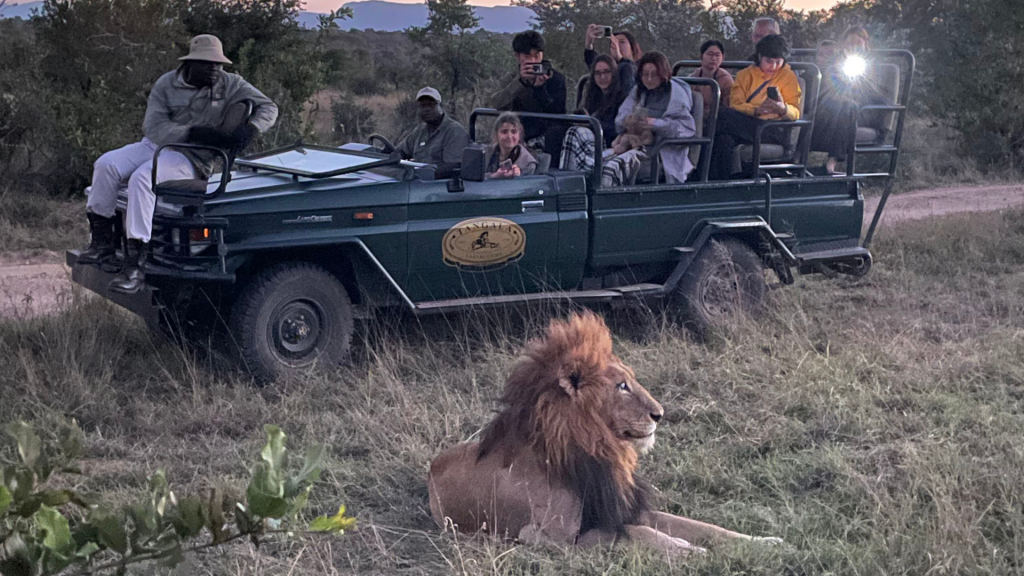
The land rover convertible rumbled over cracked dirt roads, jostling the camera in my lap as the sun set below the horizon and the Southern Cross began to greet the navy-blue sky. Sitting beside Respect, our guide and driver, I watched as he confidently accelerated up and over the rough terrain, wincing every time I felt the vehicle tip. Even though it was my third week in the Greater Kruger area with UBC CONS 454, my mind wasn’t convinced that the game drive vehicles could handle the angular terrain they challenged. We were on a sunset game drive in Thorny bush Nature Reserve, a private game reserve nestled between Kruger National Park (KNP) and the communities which line the edges of it. We had spent the last ten minutes parked beside a pride of lions dozing in the long, dry savanna grass.
My travels to Greater Kruger with UBC have challenged my perspective on humanities role in conserving biodiversity. I now understand humans as an integral part of nature, rather than a threat. This trip has allowed me to understand poaching as a symptom of a greater societal issue rather than a result of human greed. Lots of questions remain. How different would the world be if displaced communities were again allowed to live off the land, given secured access to essential resources such as food, water, and shelter? Would poaching continue to be an issue if fortress conservation did not dominate conservation theory around the world? How does co-management of national parks with local communities change biodiversity? My hope is to continue to address these questions throughout my academic career, and work towards conservation models which reconnect people with the land. In this way, I hope that both local communities and biodiversity in Greater Kruger can benefit in the future. I believe that humans are an essential component to a sustainable, just future. Just ask this bull elephant that was hanging out with my peers and I beside our game drive vehicle.
Do you want an active role in shaping student life in the Faculty of Forestry & Environmental Stewardship? We invite you to join us at the Forestry Undergraduate Society (FUS)! From planning and hosting events to media design, our Executive and General councils bth have positions to suit your interests. Please thoroughly read the FUS General Election 2024-25 Instructions (attached to this email) and nominate (google form linked in the instructions doc) by Friday, March 15 11:59 pm PDT.
Self nomination period: March 4th – 15th Campaign and Voting period: March 18th – 24th Voting Party: March 20th
We’re proud to announce Siya Forestry LP, a newly formed joint venture between the Osoyoos Indian Band and Infinity-Pacific Stewardship Group Ltd. created to manage all resource values within OIB’s traditional territory. This collaboration between the two groups is the next step in realizing OIB’s goal to internally manage their traditional lands in a meaningful, more hands-on approach. Building on a trusted eight year working relationship with the Infinity-Pacific team, the Siya Forestry partnership is seeking talented individuals to join our group of professionals to assist with opportunities such as but not limited to; Land Management for OIB’s existing tenures (NRFL’s, FNWL, BCTS Partnership, Woodlot), and current operational agreements with local governments, licensees, and small tenure holders (Woodlots/Community Forest).
For more information about this job position and how to apply, please see the link below:
This article forms part of a Black History Month initiative led by Samuel Adeyanju, a UBC Forestry & Environmental Stewardship PhD student, with support from the Faculty of Forestry & Environmental Stewardship Alumni Engagement Office and the Communications team. Please reach out to Sam samuel.adeyanju@ubc.ca to connect or learn more.
By Sarah Ripplinger, Faculty of Forestry & Environmental Stewardship Dean’s Office writer
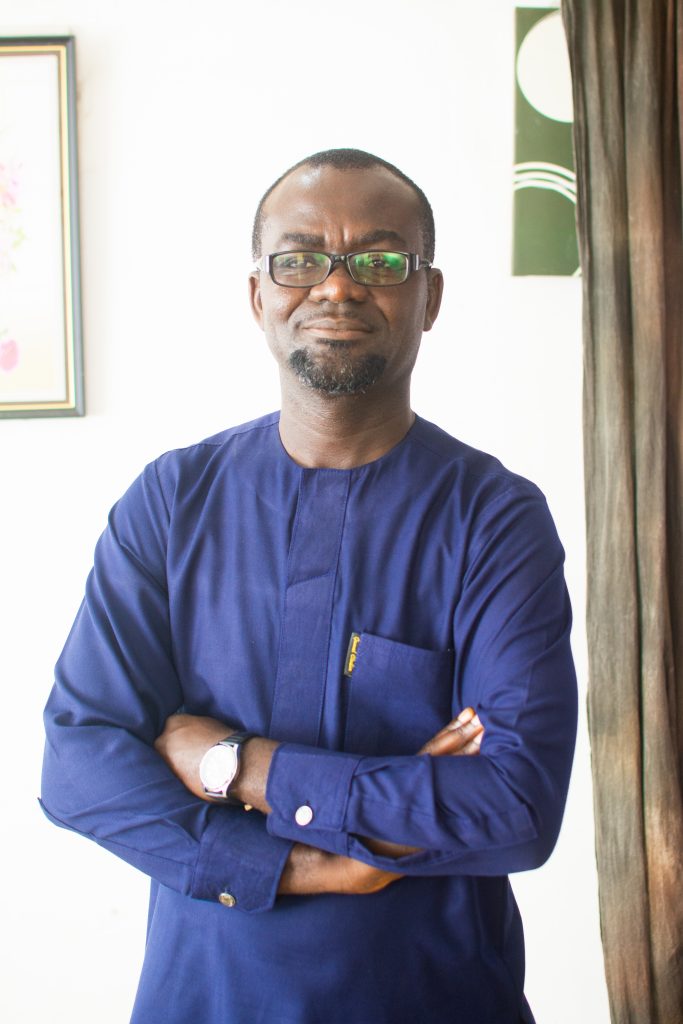
Meet Shalom Addo-Danso. A leader in research advancement, Shalom’s work is informing national forest policy and shepherding the next generation of ecologists, especially those in Africa.
Shalom Addo-Danso
Dr. Shalom D. Addo-Danso (PhD(Forestry)’17) is aSenior Research Scientist at the CSIR – Forestry Research Institute of Ghana. He holds a BSc in Natural Resource Management, Silviculture and Forest Management from Kwame Nkrumah University of Science and Technology; an MSc in Forest Ecology and Management from Albert-Ludwigs University; and a PhD in Forestry from UBC Forestry & Environmental Stewardship. His research interests range from forest ecology to ecological restoration, agroecology, climate change, biodiversity conservation, land use changes, functional ecology and plant-soil interactions. Shalom also works as a consultant and youth development advocate and mentor. He currently resides in Ghana with his wife and their four daughters.
What drew you to the study of forestry?
Forestry is an important part of Ghana’s national economy. A lot of individuals and communities depend on the services and products that the forest provides. The study of forestry gave me an avenue to generate knowledge and data to help manage forests sustainably and address some of the key environmental issues that we are facing in the world, such as climate change. It is also a platform through which to support improvements in and for local communities.
Why did you decide to complete your PhD at UBC Forestry & Environmental Stewardship?
Mainly, I selected UBC Forestry & Environmental Stewardship because of its reputation as a top forestry school for research and academics. I had the privilege of having two wonderful supervisors, UBC Forestry & Environmental Stewardship Profs. Cindy Prescott and Rob Guy, to support my PhD work. Vancouver, and British Columbia in general, is also a beautiful place to live and study.
What was the focus of your PhD?
My research focused on how biomass and carbon dynamics recover and return to normal functioning following logging or other land use changes within the complex dynamic of tropical forest ecosystems. This research has policy implications in that protecting logged forest spaces can potentially promote the return of essential ecosystem services in support of communities and individuals. In Ghana, only around 10% of forested areas are primary forest. The rest has been logged. Yet, logged forest areas can provide climate change mitigation and water source protection services. My research found that an almost complete recovery of tropical forest ecosystem service functioning — similar to what is found in old growth tropical forests — can occur within 54 years after being logged.
Why did you pursue forestry research science as a career?
The simplest answer is that I love science, research and transferring ideas and knowledge to others. I see science as a pathway to improve people’s lives and make our world a better place within which to live.
What are your greatest career accomplishments so far?
One example would be a first-of-its-kind project in Africa that I’m working on right now in collaboration with a colleague in the United Kingdom. Our goal is to track forest response to climate change in Ghana using a weather station and thermal imaging cameras. This work is helping us understand the forest, and shaping a long-term view of how it is responding to climate change. The project is likewise establishing infrastructure to facilitate further research advancement and data collection in Ghana.
Another source of pride is my consultation work on the IUCN (International Union for Conservation of Nature) Restoration Barometer, which tracks the progress countries are making to meet forest restoration goals set out in the Bonn Challenge [“a global goal to bring 150 million hectares of degraded and deforested landscapes into restoration by 2020 and 350 million hectares by 2030”]. I synthesized data on Ghana from 2010 to 2021 to provide information on the state of the country’s efforts towards meeting its commitment to the Bonn Challenge.
What advice would you give to up-and-coming forestry students?
Be committed to what you do. People favour persistent and consistent people who strive for excellence. No matter what you do and no matter where you may be in the world, you have to pursue excellence. Another piece of advice is to have mentors whom you look up to. Throughout my academic and professional career, I have had the privilege of learning from exceptional mentors who have helped me get to where I am today. Also, network with others to build relationships. These can take you far.
I understand that you run a youth mentoring organisation. Can you tell me about it and what it does?
In 2022, I founded the Level Up non-profit annual event in Ghana. The event gives youth a space and platform to interact with industry professionals to help them enter the workforce or grow in their careers, as well as to help people generate ideas and collaborate.
What do you do to unwind?
I love listening to music. I also enjoy reading, and am currently making my way through the book Connect: Building Exceptional Relationships with Family, Friends and Colleagues by David Bradford and Carole Robin. I was drawn to this book because I believe in the importance of honing communication and leadership skills to be better equipped to engage in networking opportunities and share information with others.
Tyhee Forestry Consultants Ltd. is in beautiful Smithers, BC. For 30 years we have provided technical and management services to the resource industry. Our Mission: To provide value to our clients and employees while practicing sound resource stewardship. Our Values:
Supporting out client’s stewardship goals by delivering outstanding quality
Encouraging a safe and positive team atmosphere
Approaching every task with professionalism and efficiency
Supporting our employee’s goals through mentorship and technical skill development
Smithers sits between the Babine Mountains and Hudson Bay Mountain, on the world famous Bulkley River. This picturesque community is a great year-round base for outdoor activities. It’s well-known for fishing, hunting, golfing, white water, skiing, and snowmobiling. Smithers features great restaurants, shops, galleries, museum, and friendly people. There’s something here for everyone.
See the link for more information about the position and how to apply.
Meristem Insights is a company focused on providing intelligent decision and management support across the natural resources sector. A meristem is undifferentiated plant tissue that can produce new parts of the plant. It can become any type of plant tissue: leaf, stem, flower, petal, etc. Like a meristem, we are ready to grow and adapt to the circumstances presented to us. We pledge to help our clients grow and provide them what they need to adapt to their ever-evolving circumstances.
See the link below for more information about this job posting and how to apply.
Conduct post-harvest field assessments and data collection to support growth and development of young stands.
Assist in office functions, including: statistical compilation of field data, generating silviculture reports, making maps, migrating data between database management systems, etc.
For more information about this job posting visit the link below.